Tag: Skin Cancer Screening

Window UV Exposure: Do You Need Daily SPF Indoors?

Window UV Exposure: Do You Need Daily SPF Indoors?

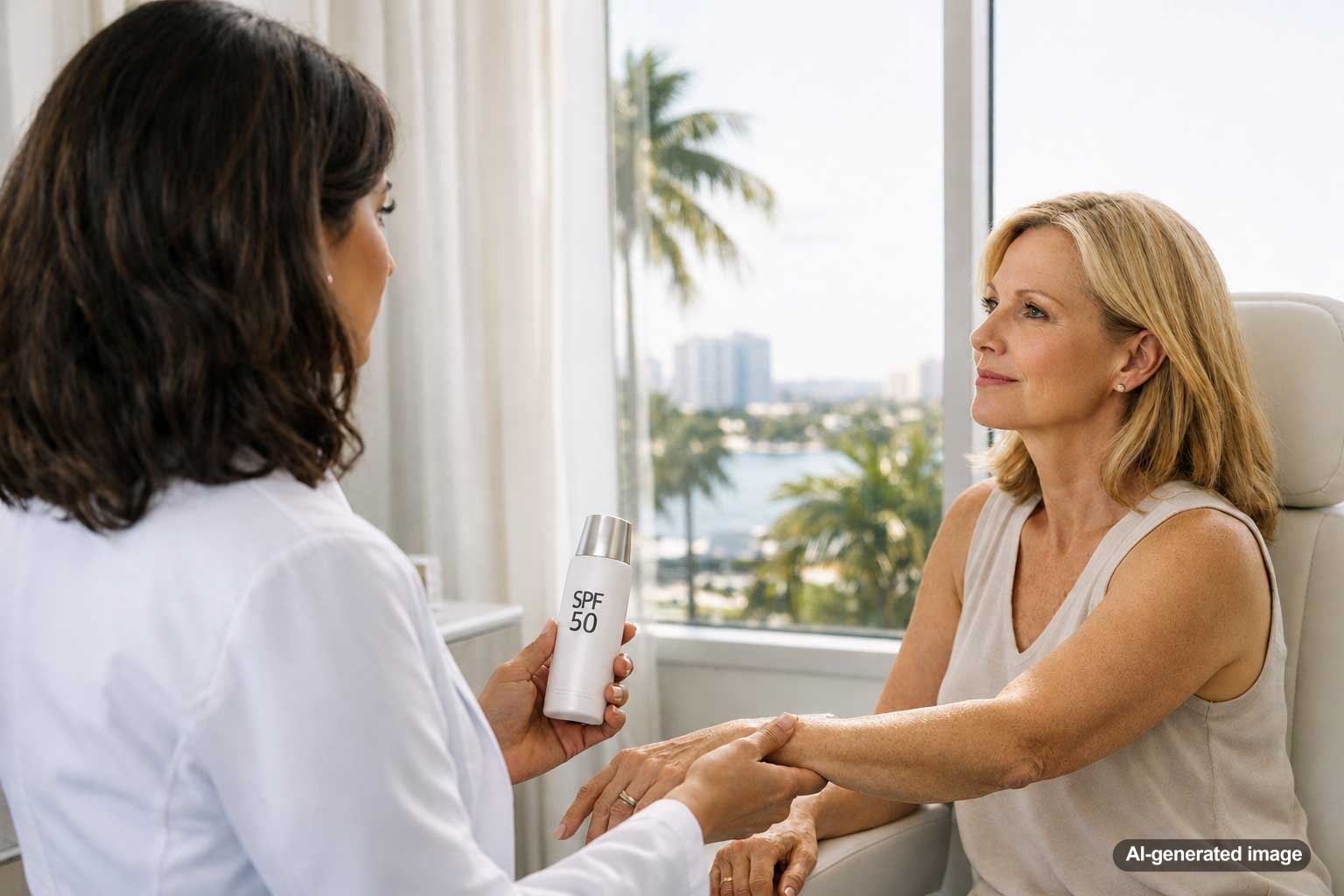
Yes, daily SPF indoors can matter, especially if you spend time near bright windows, drive often, or are working on concerns like discoloration, melasma, redness, or visible signs of sun exposure. Window glass can reduce some UV exposure, but it may not block all UVA, the longer-wavelength ultraviolet light associated with skin aging and pigmentation… Read more »

Florida Sun Safety: A Year-Round Routine

Florida Sun Safety: A Year-Round Routine

In Fort Lauderdale, sun protection is not just a beach-day habit. It is part of daily skin care, whether you are driving, walking between appointments, playing golf, visiting for the season, or enjoying lunch outside. Florida’s bright, reflective environment can make ultraviolet exposure feel constant, even when the day is cloudy or the plan is… Read more »

Actinic Keratosis: Rough, Sandpaper-Like Spots From Chronic Sun Exposure

Actinic Keratosis: Rough, Sandpaper-Like Spots From Chronic Sun Exposure

Actinic keratosis, often called AK, is a rough or sandpaper-like spot that can develop after years of sun exposure. These spots are common on areas that receive steady ultraviolet light, such as the face, scalp, ears, chest, forearms, hands, and lips. Because actinic keratoses are considered precancerous, they deserve thoughtful attention rather than guesswork. Not… Read more »

Why Do Some Moles Grow Hair?

Why Do Some Moles Grow Hair?

A hair growing from a mole can look surprising, but it is often a simple sign that the mole formed around a normal hair follicle. In many cases, the follicle keeps working, so a strand of hair can grow through the pigmented spot just as it would through nearby skin. Hair alone does not prove… Read more »

Is That Mole Skin Cancer or Just a Freckle?

Is That Mole Skin Cancer or Just a Freckle?

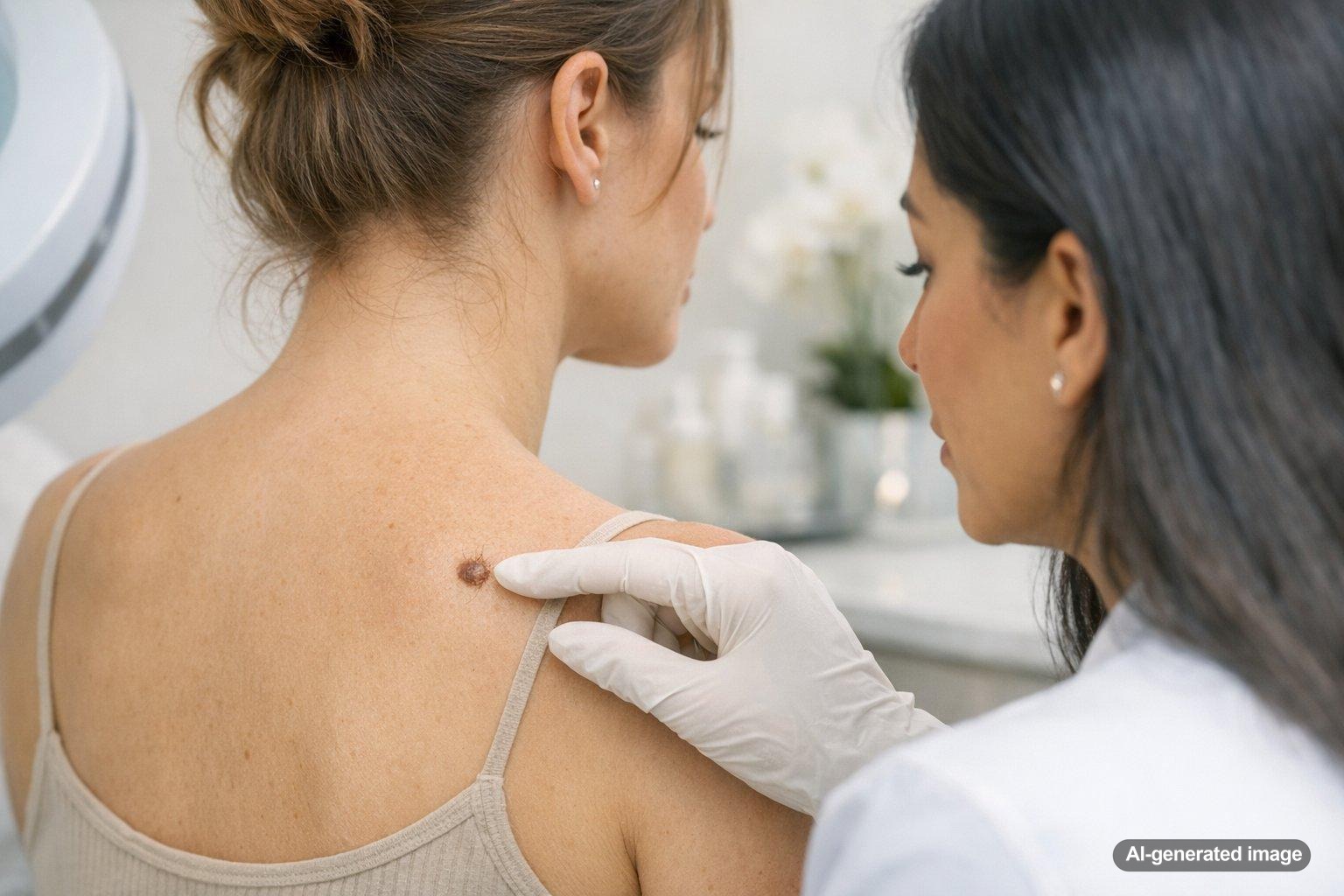
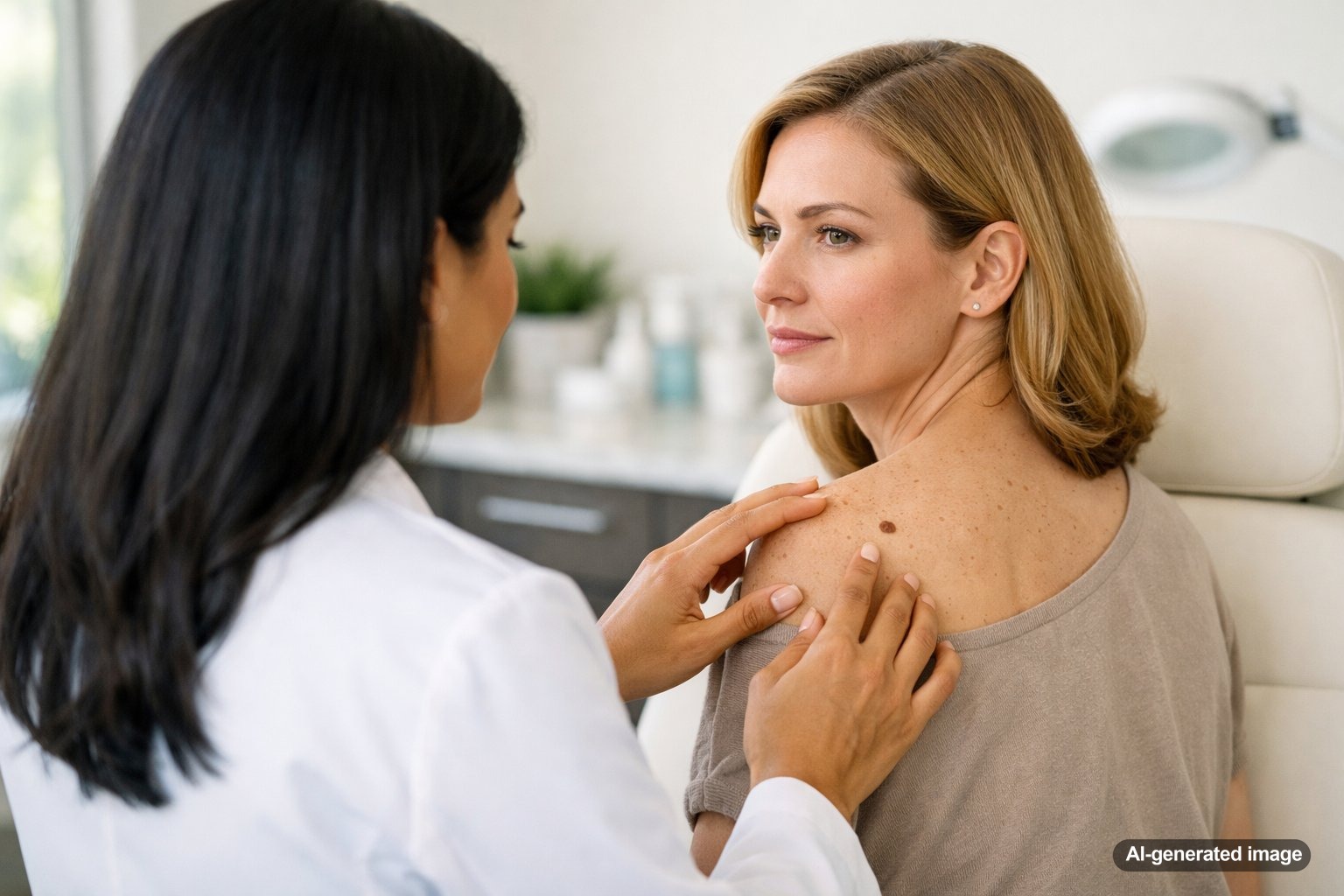
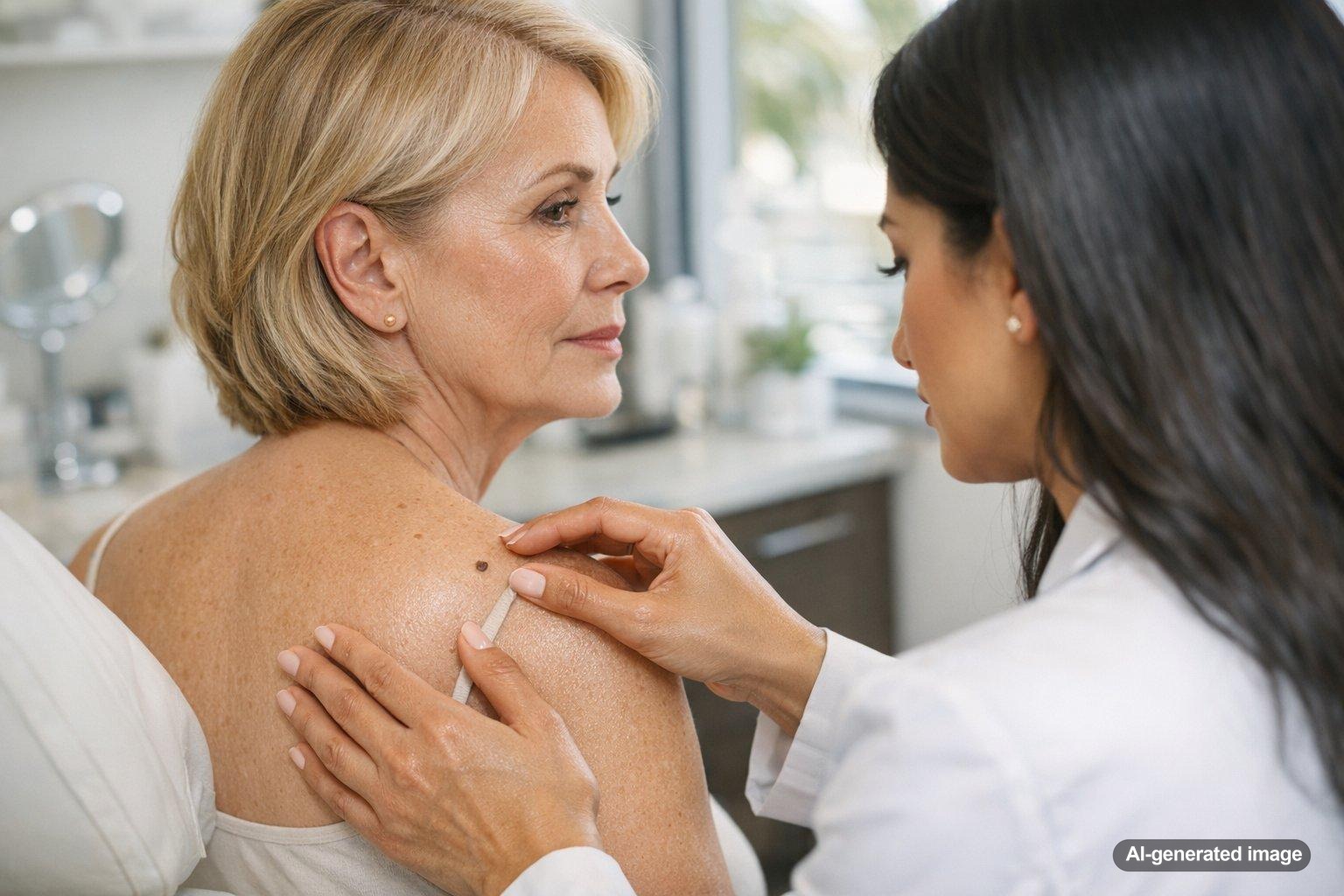
Most freckles are harmless, and many moles are harmless too. The part that matters is not whether a spot is dark or flat, but whether it is new, changing, unusual for you, or acting differently. A freckle is usually a small flat spot that becomes more noticeable with sun exposure. A mole is often a… Read more »

When a New Growth Needs Prompt Evaluation

When a New Growth Needs Prompt Evaluation

Not every new bump, spot, or raised area is dangerous. Many are benign growths that come with age, sun exposure, friction, or normal skin changes. Still, a brand-new growth can sometimes deserve prompt attention, especially if it looks different from your other spots or seems to be changing quickly. In general, a new growth deserves… Read more »

A Bump That Bleeds: When to Get Evaluated

A Bump That Bleeds: When to Get Evaluated

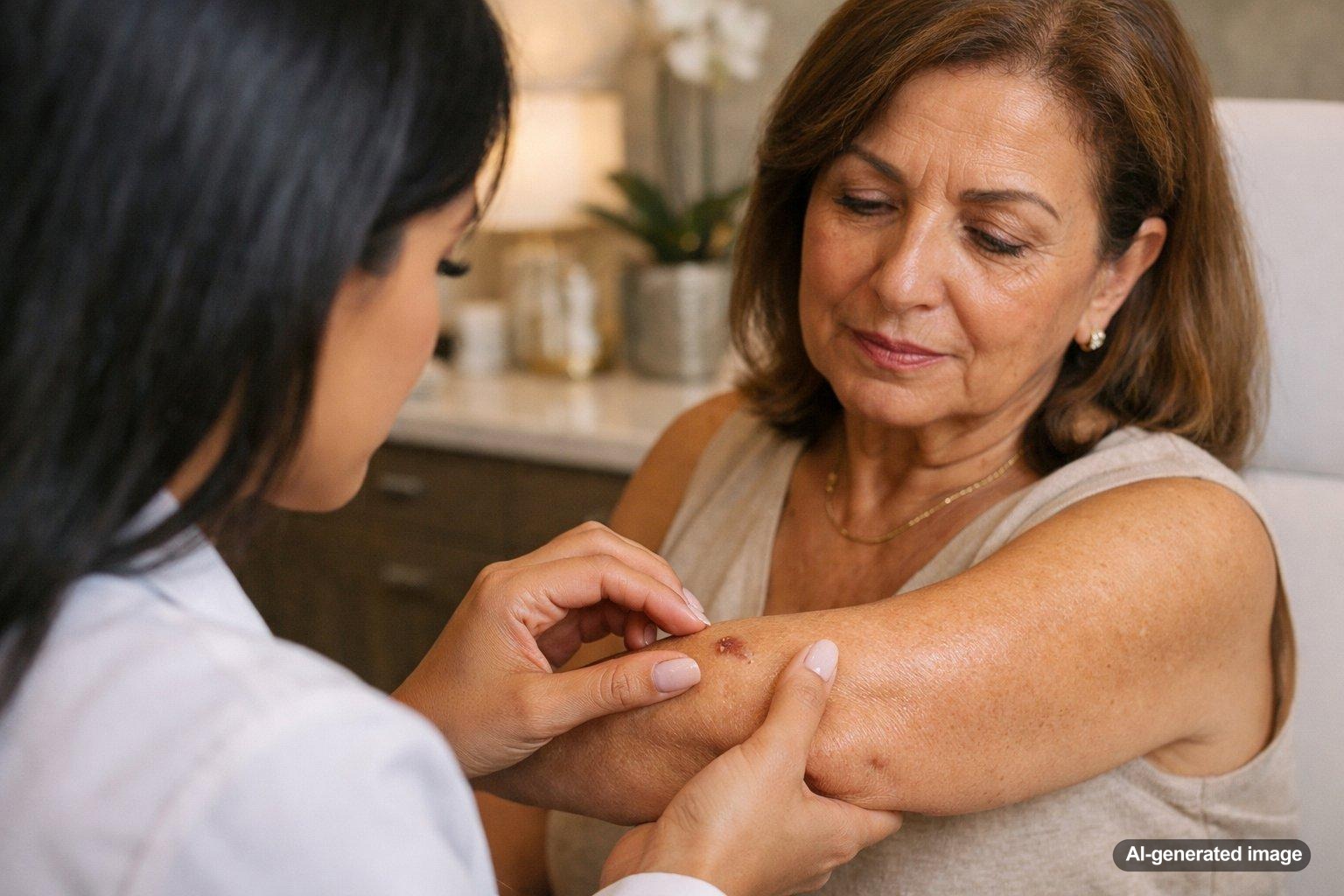
Yes, a bump that bleeds can be worth getting evaluated, especially if it bleeds more than once, does not heal, keeps crusting over, or seems to be changing. Not every bleeding bump is dangerous. Sometimes the cause is irritation, a picked blemish, a benign growth, or friction from shaving or clothing. But bleeding is also… Read more »

Can a Dermatologist Tell If a Mole Is Cancer Just by Looking?

Can a Dermatologist Tell If a Mole Is Cancer Just by Looking?

In many cases, a dermatologist can tell when a mole looks concerning just by examining it closely. Experienced dermatologists are trained to spot patterns that raise suspicion, including asymmetry, irregular borders, multiple colors, growth, or bleeding. They may also use a dermatoscope, a handheld magnifying device that helps reveal details not visible to the naked… Read more »

Dark Streak Under a Nail: When to Get It Checked

Dark Streak Under a Nail: When to Get It Checked

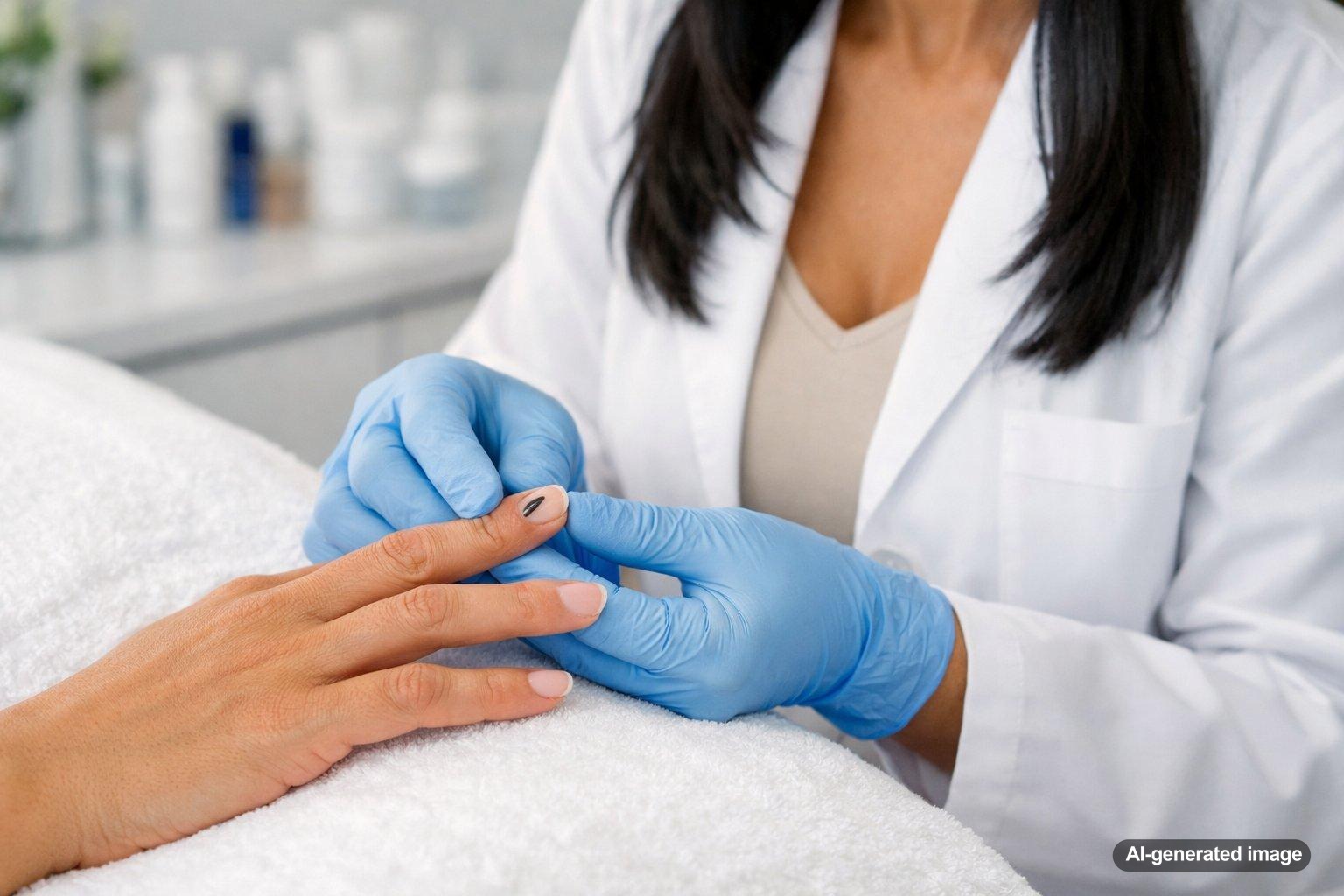
A dark streak under a nail can be easy to dismiss, especially if you remember bumping a finger or toe. Sometimes it is related to trauma, pigment changes, or other non-urgent causes. But a new or changing dark band can also be associated with a nail condition that deserves prompt evaluation. The key is not… Read more »