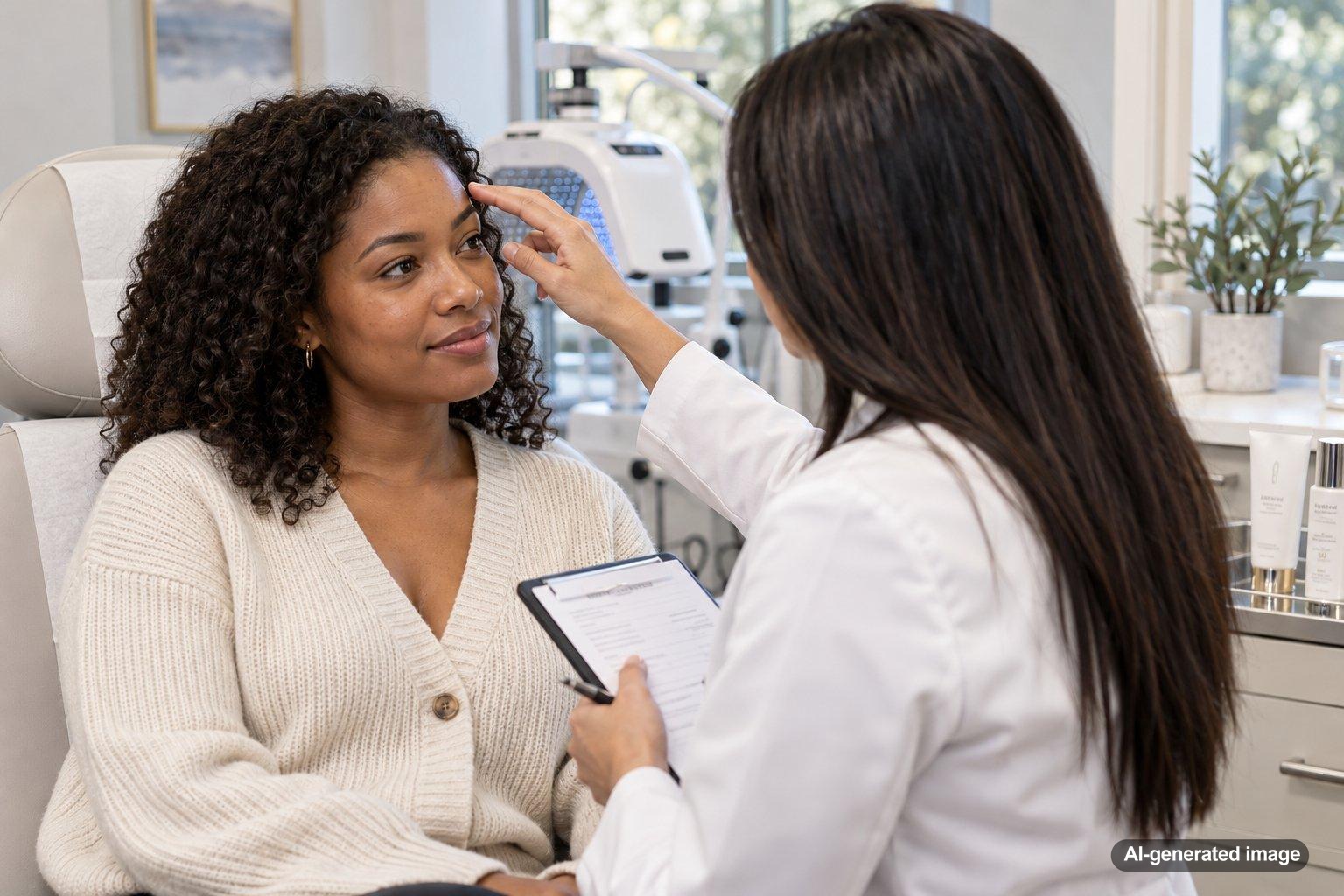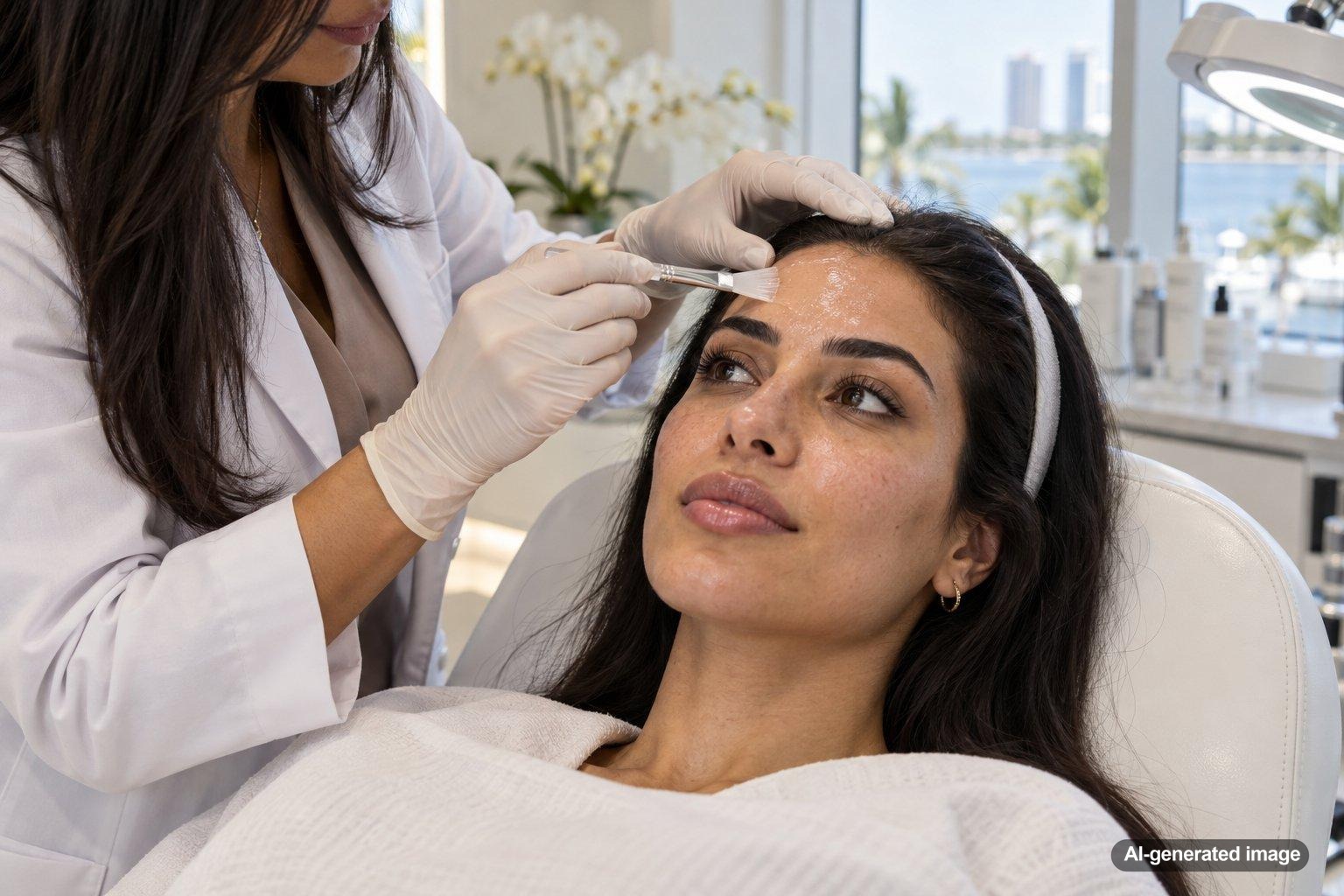
Rosacea can feel different from season to season. Winter may bring dryness, wind exposure, indoor heat, and a more reactive skin barrier, while summer often adds heat, humidity, sunlight, sweating, and travel routines that can make flushing harder to predict. For patients in Fort Lauderdale, the comparison is especially useful. Many people move between colder… Read more »
Tag: Sun Protection
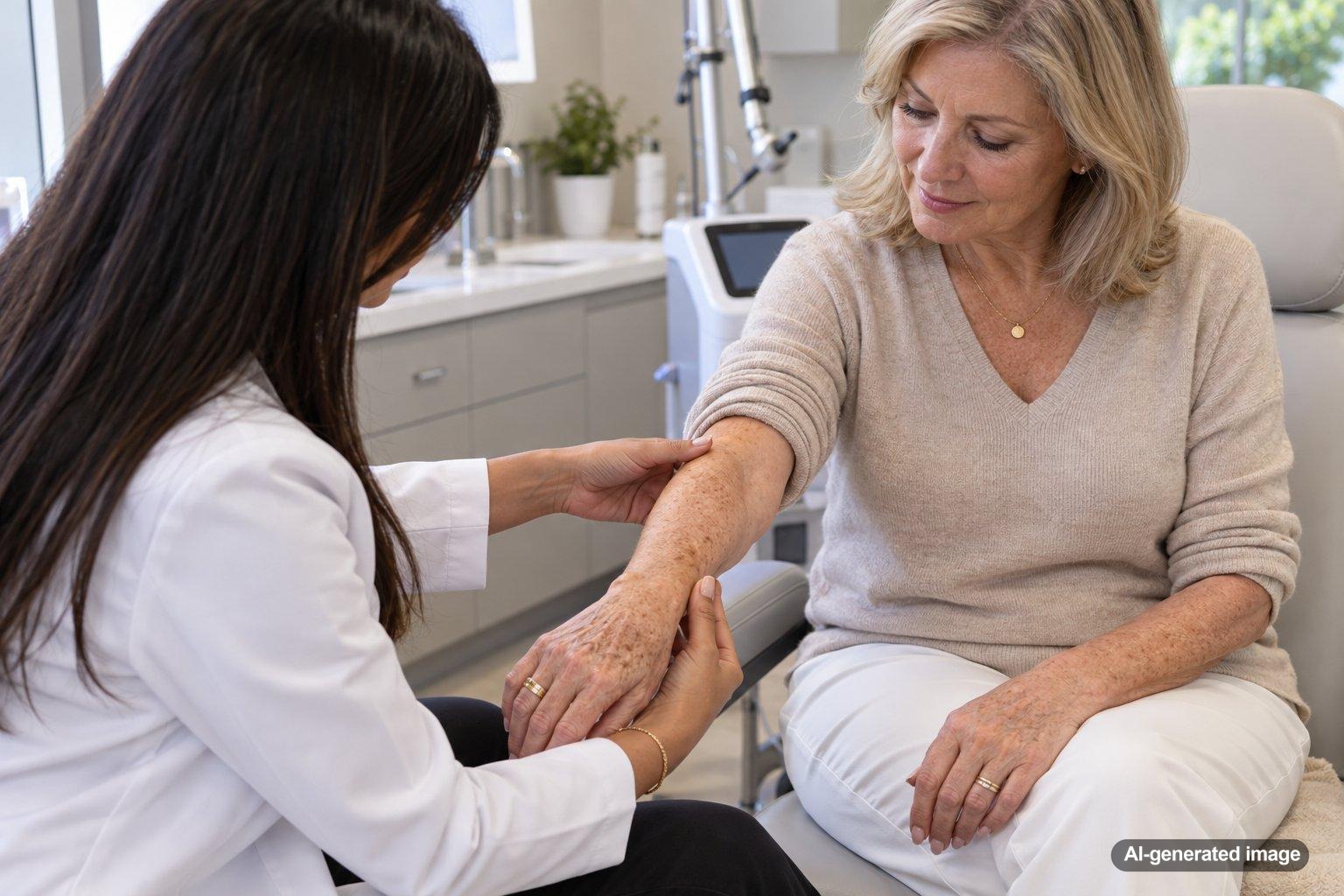
What Causes Crepey Skin on the Arms?
Crepey skin on the arms is usually caused by a combination of collagen changes, sun exposure, dryness, and natural aging. It often looks thin, finely wrinkled, or slightly loose, with a texture that can resemble delicate crepe paper. For many people in Fort Lauderdale, year-round UV exposure, outdoor activities, travel, and seasonal changes in skincare… Read more »
Sun Exposure Through Car Windows: Do You Need SPF?
Yes, SPF can matter in the car, especially if you spend meaningful time driving, sitting in traffic, riding near a side window, or traveling in sunny places like Fort Lauderdale. Car glass may reduce some UV exposure, but it does not make your skin fully protected. The main concern is UVA, the type of ultraviolet… Read more »
Can Skin Cancer Look Like a Pimple?
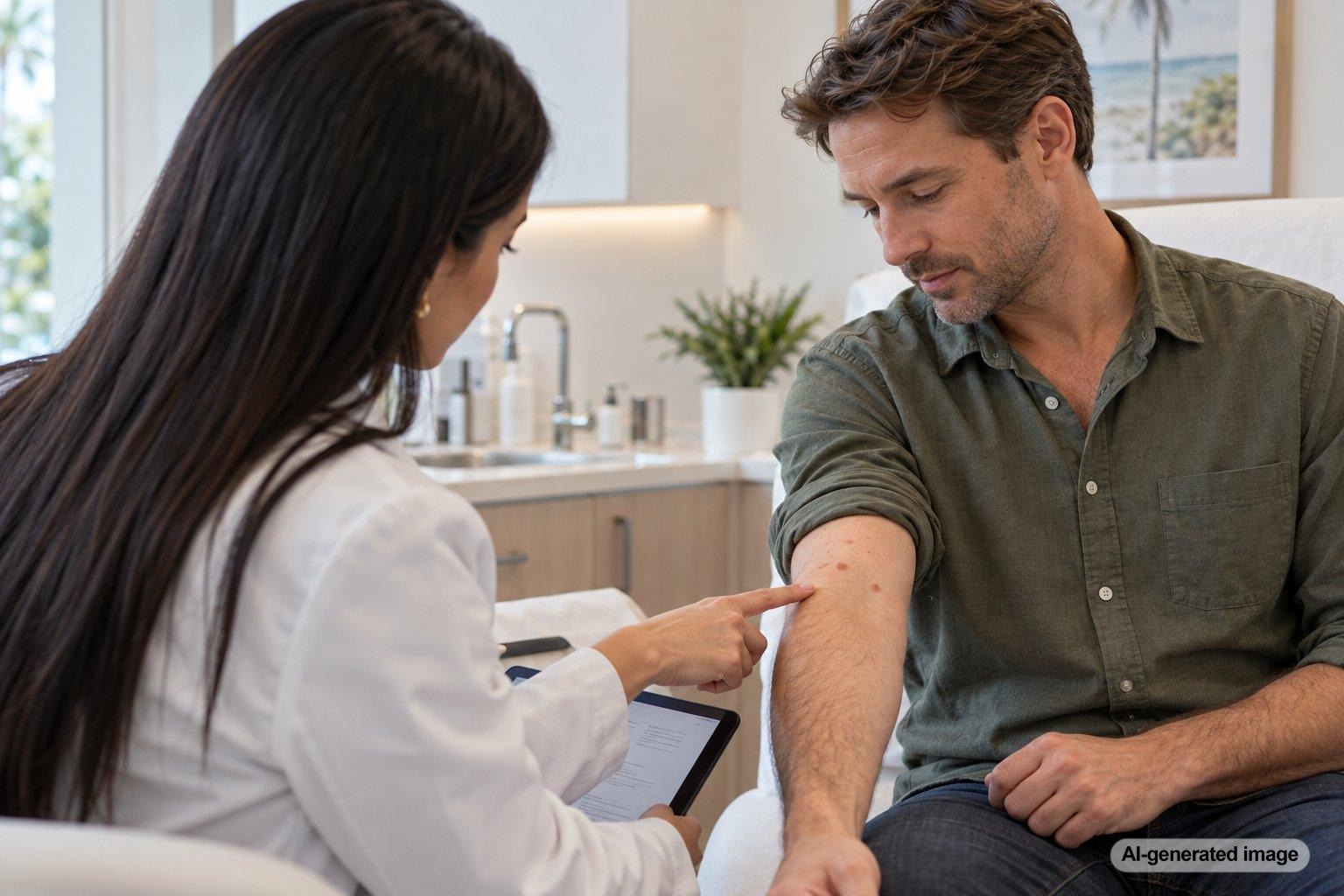
Yes, skin cancer can sometimes look like a pimple, especially in its early stages. A small bump, shiny spot, sore, or scab that seems harmless at first can occasionally be something more than acne, particularly when it does not heal or keeps returning in the same place. Most pimples improve over time, change as they… Read more »
Scalp Sun Protection: Easy Options
The scalp is easy to forget until it feels tender after a bright day outside. In Fort Lauderdale, where sun exposure can add up quickly during walks, beach days, boating, golf, tennis, and everyday errands, scalp sun protection deserves a simple place in your routine. The good news is that protecting the scalp does not… Read more »
Can Skin Cancer Look Like a Dry Patch?
Yes, some skin cancers and precancerous spots can look or feel like a dry patch. That does not mean every flaky, rough, or irritated area is concerning. Many dry patches come from eczema, friction, weather changes, skincare irritation, or sun exposure. Still, a patch that feels rough, keeps returning in the same place, bleeds, crusts,… Read more »
Why Does My Skin Look Uneven?
Uneven-looking skin is common, and it can show up in more than one way. For some people, it means brown patches, sun spots, redness, dullness, rough texture, or areas that look darker or lighter than the surrounding skin. The reason is not always obvious from the mirror alone. The short answer is that uneven skin… Read more »
Window UV Exposure: Do You Need Daily SPF Indoors?
Yes, daily SPF indoors can matter, especially if you spend time near bright windows, drive often, or are working on concerns like discoloration, melasma, redness, or visible signs of sun exposure. Window glass can reduce some UV exposure, but it may not block all UVA, the longer-wavelength ultraviolet light associated with skin aging and pigmentation… Read more »
Florida Sun Safety: A Year-Round Routine
In Fort Lauderdale, sun protection is not just a beach-day habit. It is part of daily skin care, whether you are driving, walking between appointments, playing golf, visiting for the season, or enjoying lunch outside. Florida’s bright, reflective environment can make ultraviolet exposure feel constant, even when the day is cloudy or the plan is… Read more »
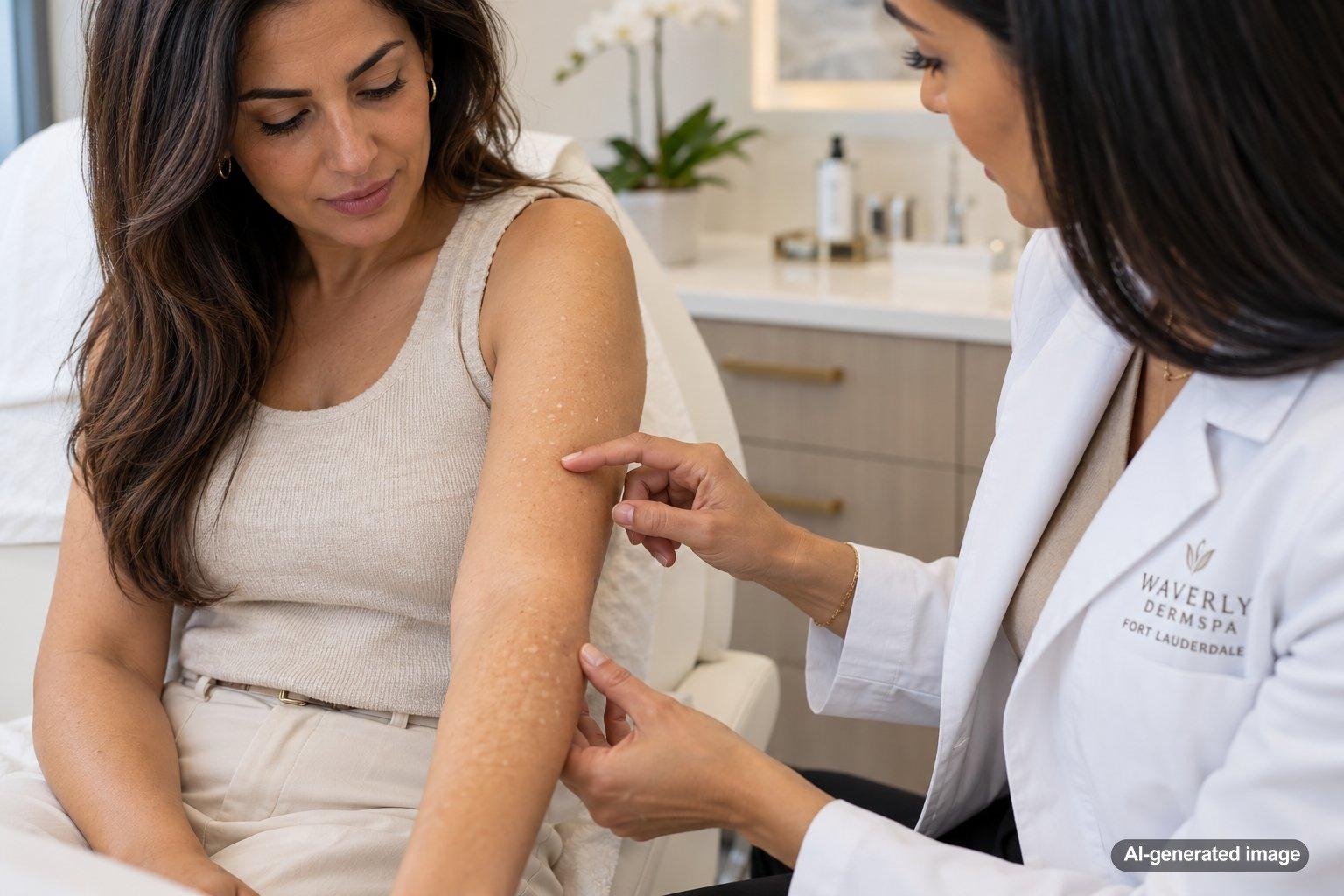
Actinic Keratosis: Rough, Sandpaper-Like Spots From Chronic Sun Exposure
Actinic keratosis, often called AK, is a rough or sandpaper-like spot that can develop after years of sun exposure. These spots are common on areas that receive steady ultraviolet light, such as the face, scalp, ears, chest, forearms, hands, and lips. Because actinic keratoses are considered precancerous, they deserve thoughtful attention rather than guesswork. Not… Read more »