

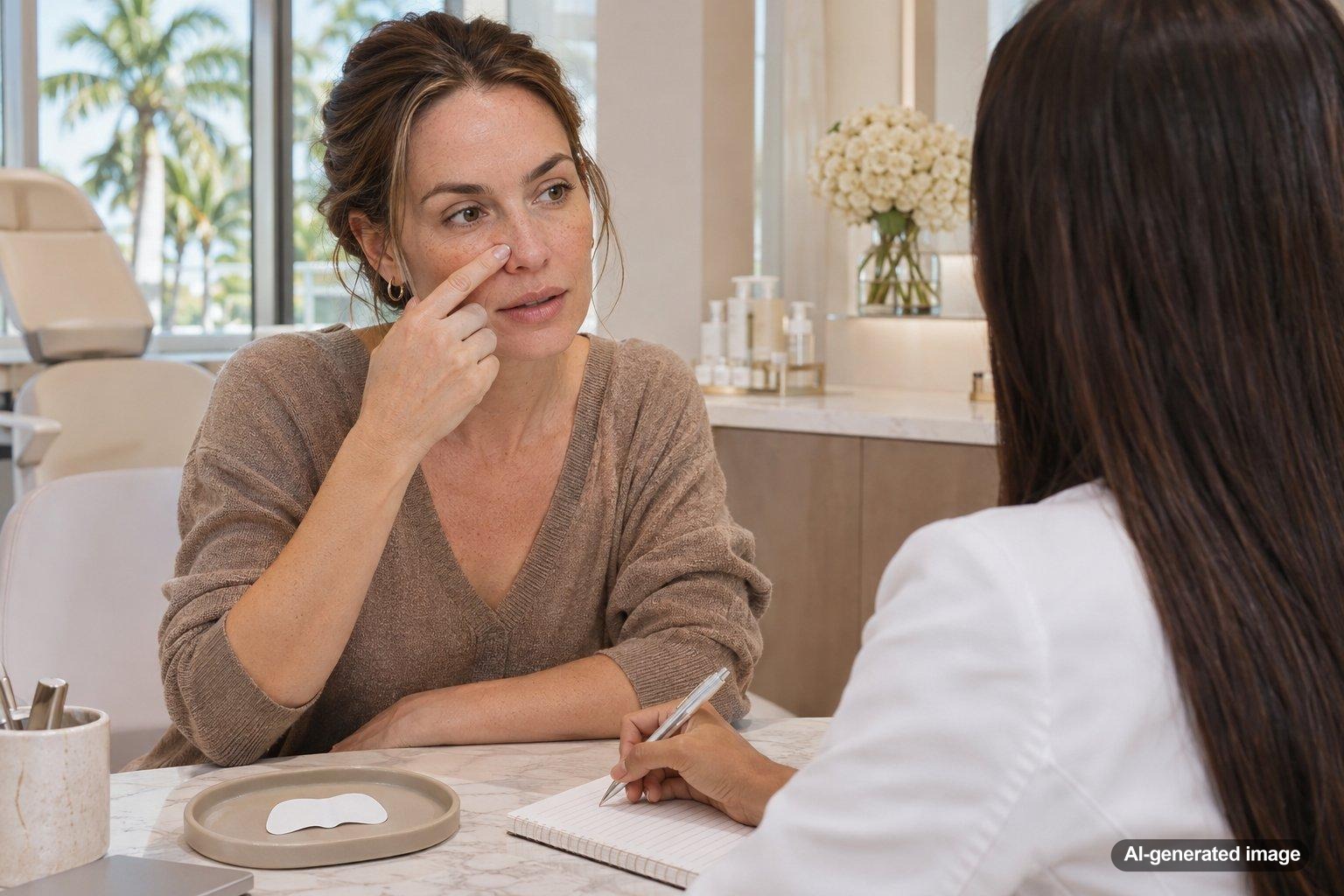
If your nose feels rough, dry, or unusually textured after using a pore strip, the change may be related to how the adhesive interacts with your skin. Pore strips are designed to grip material at the surface of the pores, but they can also pull on the surrounding skin. That temporary disruption may leave your nose feeling less smooth than it did before treatment.
This can be frustrating, especially when you expected a cleaner, softer surface. The reassuring part is that roughness after a pore strip does not automatically mean your pores have been damaged. Understanding whether the sensation comes from dryness, irritation, or the natural texture of your pores can help you choose a gentler approach.
Quick Answer: Why Does Your Nose Feel Rough After Pore Strips?
Your nose may feel rough after a pore strip because the adhesive has disturbed the outer skin surface, removed some surface oils, or made existing pore texture more noticeable.
- Surface irritation: Pulling away the strip can temporarily irritate delicate skin.
- Dryness: Adhesive removal may disturb the skin’s protective surface and leave it feeling tight or flaky.
- Visible pore openings: Removing material from pores can make their natural texture more apparent.
- Residual buildup: A strip may remove some surface material without clearing everything inside a pore.
- Repeated use: Frequent adhesive removal may contribute to ongoing sensitivity and uneven texture.
The appropriate next step depends on whether the roughness is accompanied by redness, tenderness, peeling, or other changes.
What Happens to Your Skin When You Use a Pore Strip?
Most traditional pore strips rely on adhesive that bonds to the surface of the skin and to material extending from pore openings. When the strip is removed, some of that material comes away with it.
That material may include oil, dead skin cells, and portions of plugs associated with blackheads or sebaceous filaments. However, the strip does not selectively attach only to unwanted buildup. It also makes contact with the surrounding skin surface.
The outermost skin layer helps retain moisture and protect against environmental irritation. Pulling adhesive away can temporarily disturb this protective surface, particularly when skin is already dry, sensitive, or exposed to other exfoliating products.
As a result, your nose might feel slightly coarse or tight even if the strip removed visible material. A smoother-looking pore is not necessarily the same as a healthier or better-hydrated skin surface.
Common Reasons Your Nose Feels Rough After a Pore Strip
1. The Adhesive May Have Irritated Your Skin
The physical action of removing a pore strip creates friction and pulling forces. On sensitive skin, this can contribute to temporary redness, tenderness, or a rough sensation.
Removing a strip quickly or using one that adheres very strongly may increase discomfort. Applying a strip to already irritated skin can make these effects more noticeable.
2. Your Skin May Be Temporarily Dehydrated
Natural oils and the outer skin barrier help maintain a comfortable moisture balance. If adhesive removal disturbs that surface, the skin may feel tight, dry, or slightly sandpapery.
This sensation can be especially noticeable around the sides of the nose, where cleansing products, facial tissues, and environmental exposure may already contribute to dryness.
3. Sebaceous Filaments May Be More Noticeable
Not every visible dot on the nose is a blackhead. Sebaceous filaments are normal structures associated with the movement of oil through pores. They are often particularly noticeable on the nose, where oil production can be relatively high.
A pore strip may temporarily remove some material from these openings, but the filaments naturally become visible again as oil accumulates. The surrounding pore openings and skin texture may also feel more apparent immediately after removal.
Trying to remove every visible filament can lead to unnecessary irritation without changing the underlying structure of the skin.
4. The Strip May Not Have Removed an Entire Plug
Pore strips primarily act on accessible surface material. Some blackheads extend farther into the pore than the adhesive can effectively reach.
When material remains, the nose may still feel uneven despite visible debris on the removed strip. This does not necessarily indicate that the strip was applied incorrectly. It reflects a limitation of how adhesive-based removal works.
5. Other Skincare Products May Be Adding to the Irritation
Using a pore strip alongside exfoliating acids, retinoids, scrubs, or strong cleansers may make irritation more likely, particularly if several products are used close together.
Each product can affect the skin differently, and the combined effect may be more irritating than any single step. Roughness that appears after a pore strip may therefore reflect both the strip and the surrounding skincare routine.
What Can You Do at Home When Your Nose Feels Rough?
If the skin feels mildly rough without significant pain or visible injury, a conservative approach is generally preferable to immediately attempting another extraction.
- Pause additional pore strips: Give the skin a break from adhesive treatments while it feels irritated.
- Cleanse gently: Choose a mild cleanser and avoid vigorous rubbing or abrasive washcloths.
- Support moisture: A simple, fragrance-free moisturizer may help reduce the uncomfortable feeling of dryness.
- Limit exfoliation temporarily: Avoid layering scrubs, exfoliating acids, and other potentially irritating products over sensitive areas.
- Use sun protection: Protect exposed skin with appropriate broad-spectrum sunscreen as part of your regular morning routine.
- Avoid picking: Squeezing or scraping the nose can aggravate irritation and make the surface feel worse.
If the skin is visibly raw, blistered, or significantly uncomfortable, stop using irritating products and seek individualized guidance rather than experimenting with additional treatments.
How Can You Tell Whether the Roughness Is Dryness or Pore Congestion?
Dryness and pore congestion can sometimes feel similar, but a few observations may help you describe the problem more accurately.
Dryness-related texture may be accompanied by tightness, fine flaking, or sensitivity when moisturizer or cleanser is applied. It can become more noticeable after washing.
Pore-related texture may appear as small, persistent dots or bumps concentrated where pores are most visible. Some of these features may represent normal sebaceous filaments rather than clogged pores.
Irritation-related texture may occur with redness, stinging, or tenderness following product use. These symptoms suggest that continuing aggressive exfoliation could be counterproductive.
These patterns are not a reliable way to diagnose a skin condition at home. Several causes can overlap, and a dermatologist can examine persistent changes when the explanation is unclear.
Are Pore Strips a Good Long-Term Solution for Nose Texture?
Pore strips can remove some visible surface material, but they do not permanently change pore size, eliminate oil production, or prevent future buildup. A temporary change in appearance should not be confused with long-term management of congestion.
For people who repeatedly notice blackheads or rough texture, a consistent and well-tolerated skincare routine may be more useful than frequent adhesive removal.
Some routines include ingredients such as salicylic acid, which can help address certain types of pore congestion. However, an exfoliating product that is appropriate for one person may be too irritating for another, especially when the skin barrier already feels compromised.
It is generally better to address active irritation before considering products intended to exfoliate or manage clogged pores. If you are unsure which approach is suitable, professional guidance can help prevent unnecessary experimentation.
What Professional Options May Help With Persistent Nose Texture?
Professional evaluation can help distinguish normal pore appearance from persistent congestion, irritation, or another skin concern. The goal is not necessarily to eliminate every visible pore, but to identify a reasonable approach based on your skin’s condition and tolerance.
Depending on the findings, options may include a review of your home skincare routine, professionally performed extractions, or carefully selected facial treatments. Certain people may also benefit from a dermatologist-guided approach to managing blackheads or recurring congestion.
At Waverly DermSpa, we offer HydraFacial and can help you understand whether it may be appropriate.
Treatment selection should account for current irritation, skin sensitivity, recent product use, and individual goals. Procedures that involve exfoliation or extraction are not automatically appropriate for skin that is already inflamed or uncomfortable.
When Should You See a Dermatologist?
Mild dryness or temporary texture changes may improve with gentle care, but certain symptoms deserve professional attention.
- Redness, tenderness, or peeling that persists or becomes more pronounced.
- Blistering, raw areas, or significant pain after removing a strip.
- Swelling, spreading redness, drainage, or other concerning changes.
- Repeated irritation whenever adhesive skincare products are used.
- Roughness that continues despite simplifying your skincare routine.
- Persistent bumps or pore changes that are difficult to identify.
If you experience severe swelling, breathing difficulty, or another rapidly developing reaction, seek urgent medical attention. For persistent or uncertain symptoms, a dermatologist can evaluate the skin and recommend an individualized plan.
Frequently Asked Questions
Is it normal for my nose to feel rough immediately after using a pore strip?
Temporary roughness can occur after adhesive removal, particularly if the skin becomes dry or irritated. However, significant pain, blistering, or persistent inflammation should not be considered an expected cosmetic effect.
Did the pore strip make my pores bigger?
A pore strip does not generally create a permanent change in the anatomical size of your pores. Removing surface material can make existing openings more noticeable for a time, while irritation may change how the surrounding skin looks and feels.
Why does my nose feel bumpy even though the strip removed blackheads?
The strip may have removed only some accessible material. Natural pore texture, sebaceous filaments, remaining congestion, and temporary irritation can all contribute to a bumpy sensation. A visible result on the strip does not mean every pore has been completely cleared.
Should I exfoliate my nose after using a pore strip?
Immediate additional exfoliation is generally not a gentle choice when the area feels rough, tight, or sensitive. It may be more appropriate to focus on mild cleansing and moisturizing until the skin feels comfortable. A skincare professional can help determine whether exfoliation belongs in your longer-term routine.
How long does roughness after a pore strip last?
The duration varies depending on skin sensitivity, how strongly the strip adhered, and whether other irritating products were used. Mild temporary dryness may settle with conservative care, but symptoms that persist, worsen, or involve visible skin injury warrant professional evaluation.
Can I prevent roughness if I use pore strips again?
Using products only as directed, avoiding already irritated skin, and not combining adhesive removal with aggressive exfoliation may reduce unnecessary irritation. Even with careful use, some people find pore strips unsuitable for their skin. Frequent discomfort is a reasonable reason to consider alternatives.
The Takeaway
A rough nose after using a pore strip often reflects temporary dryness, surface irritation, or the natural texture of pores becoming more noticeable. It does not necessarily mean the strip caused lasting damage, but it can be a sign that your skin would benefit from a gentler approach.
Instead of repeatedly trying to remove visible pore material, focus on keeping the skin comfortable and maintaining a consistent routine. If roughness is persistent, painful, or difficult to explain, a professional evaluation can help clarify the cause and identify appropriate next steps.
Ready to get help?
Schedule an appointment or send a message and our team will get back to you.
Prefer to call? 954-666-3736
Disclaimer
This article is for educational purposes and is not medical advice. For diagnosis and personalized treatment, please book an appointment with a board-certified dermatologist.
