
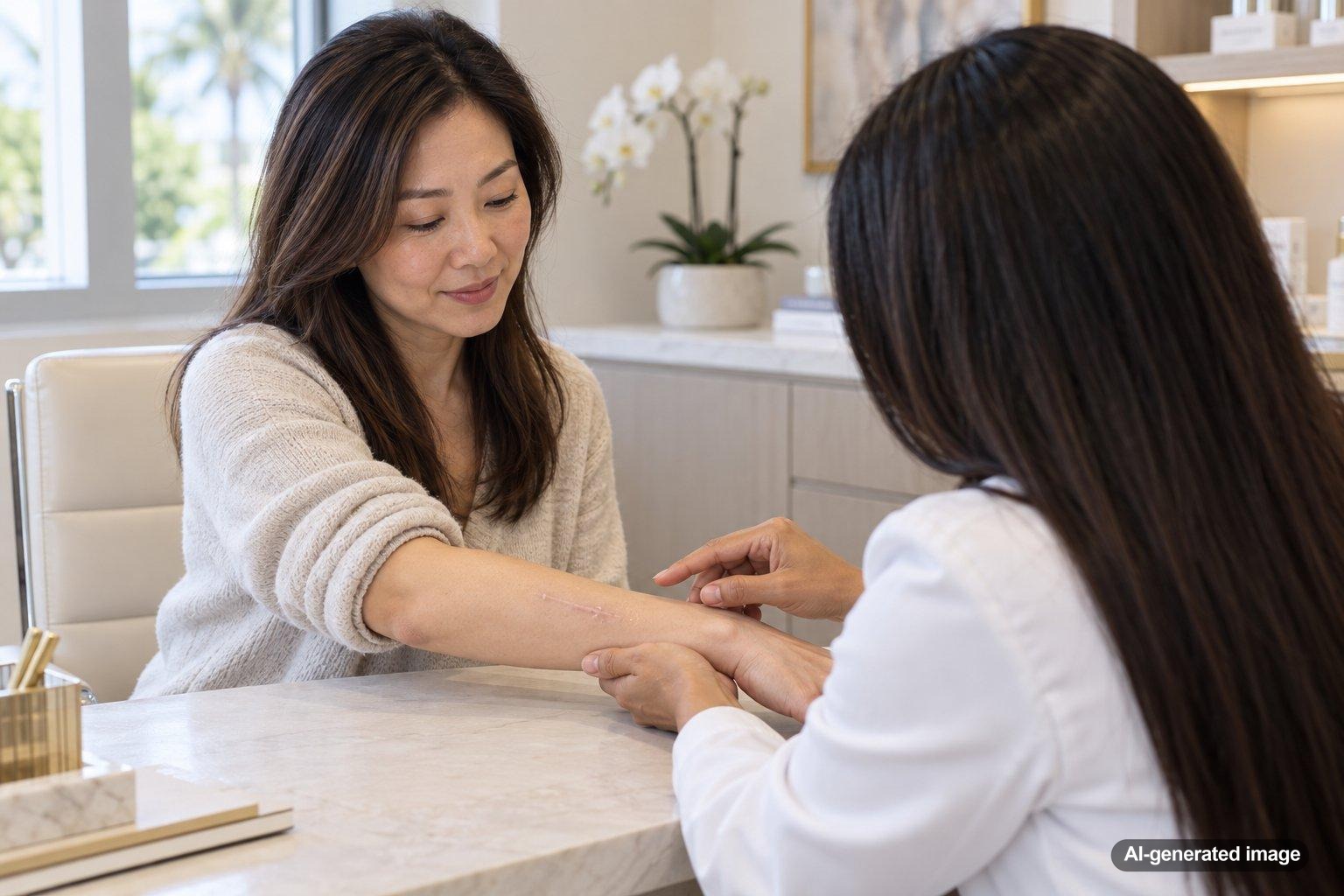
Little white bumps along a scar may be milia or other skin changes. Learn why they develop, what to avoid, and when to see a dermatologist.

Little white bumps along a scar may be milia or other skin changes. Learn why they develop, what to avoid, and when to see a dermatologist.
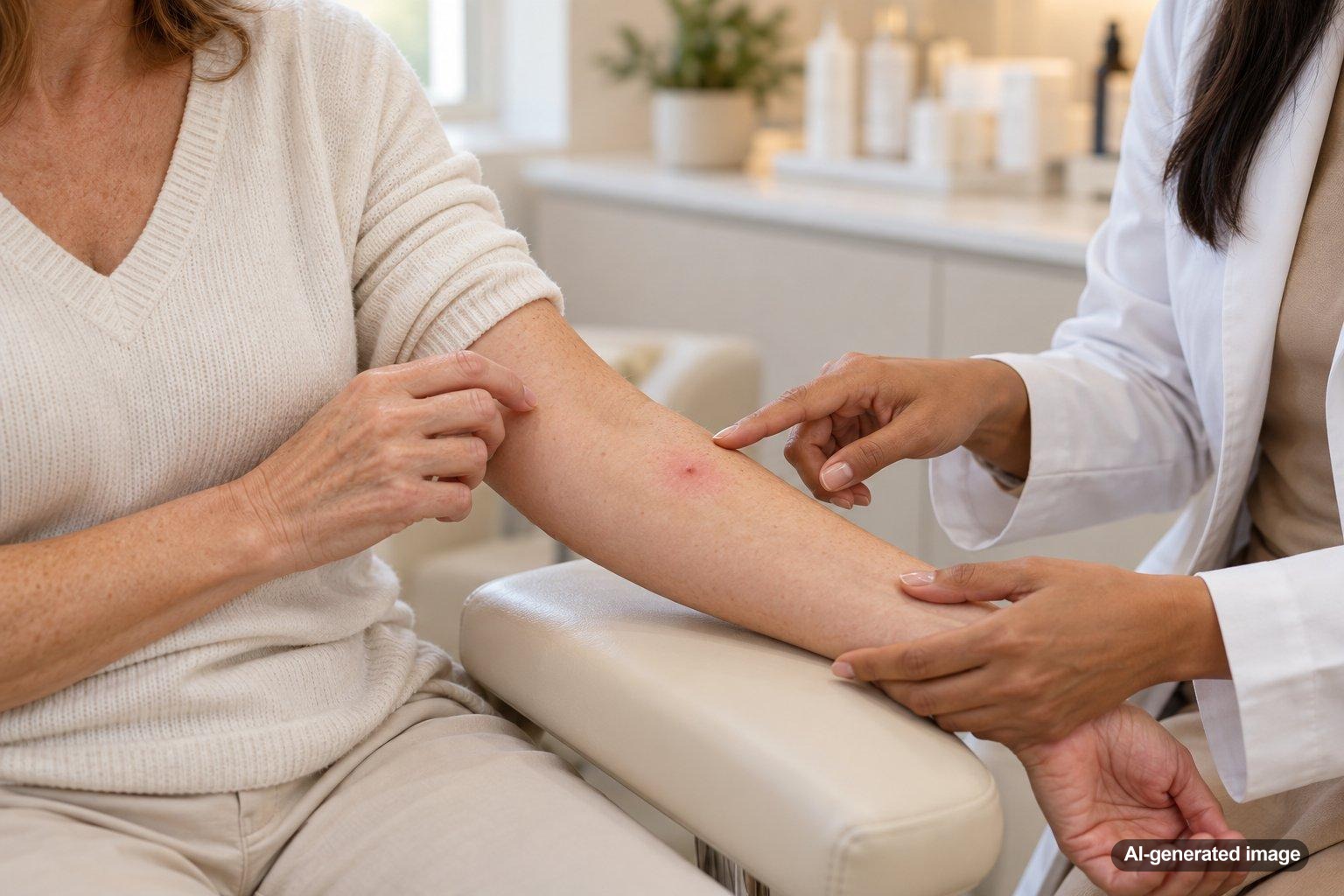
Learn why scratching a bug bite makes it swell, how to calm the itch, and when a large or worsening reaction needs dermatology care.
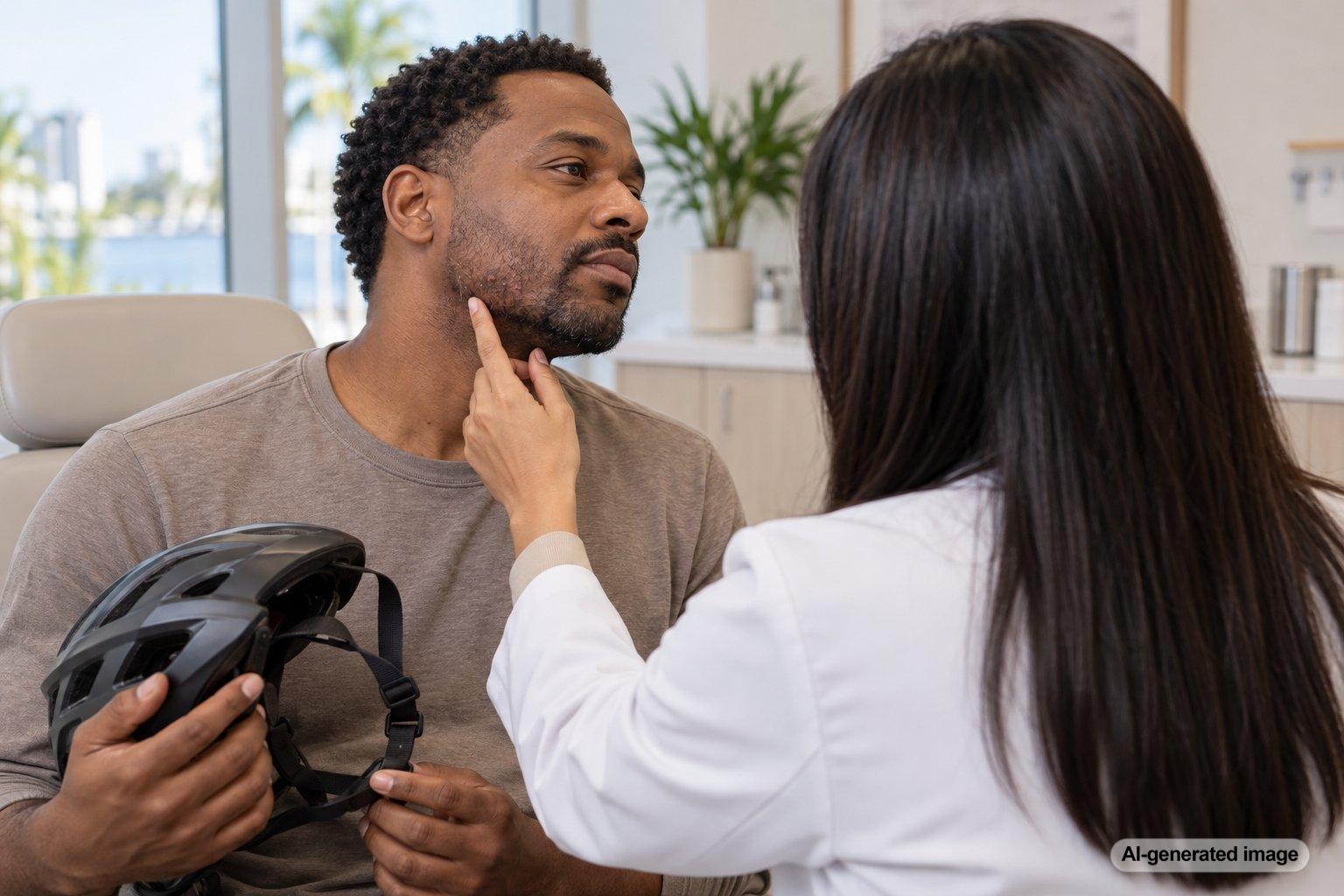
Jawline breakouts under a helmet chin strap may result from friction, sweat, and trapped moisture. Learn how to protect your skin and when to seek care.
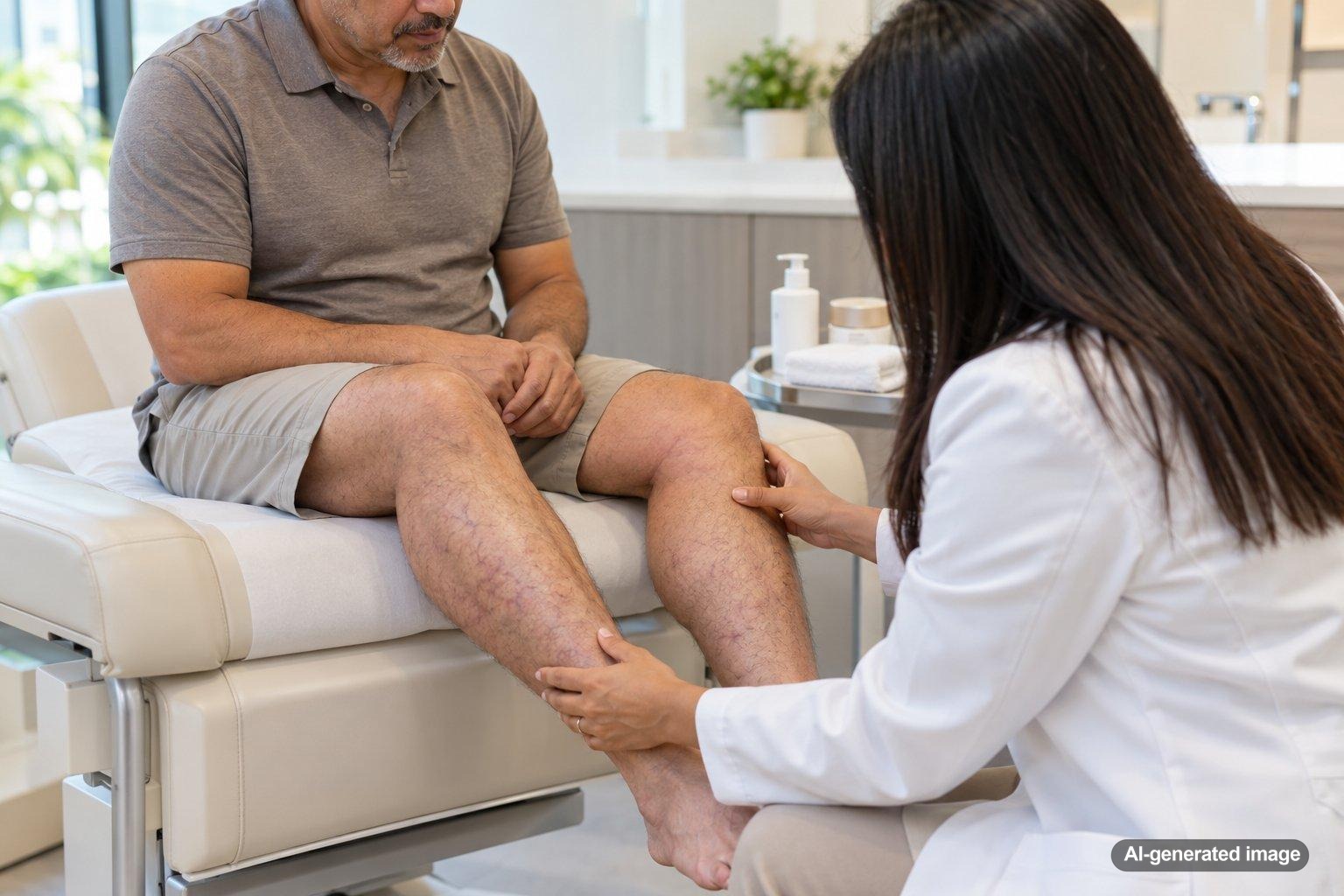
Wondering why your legs look red, purple, or mottled after a shower? Learn about heat, circulation, common causes, and when to seek evaluation.
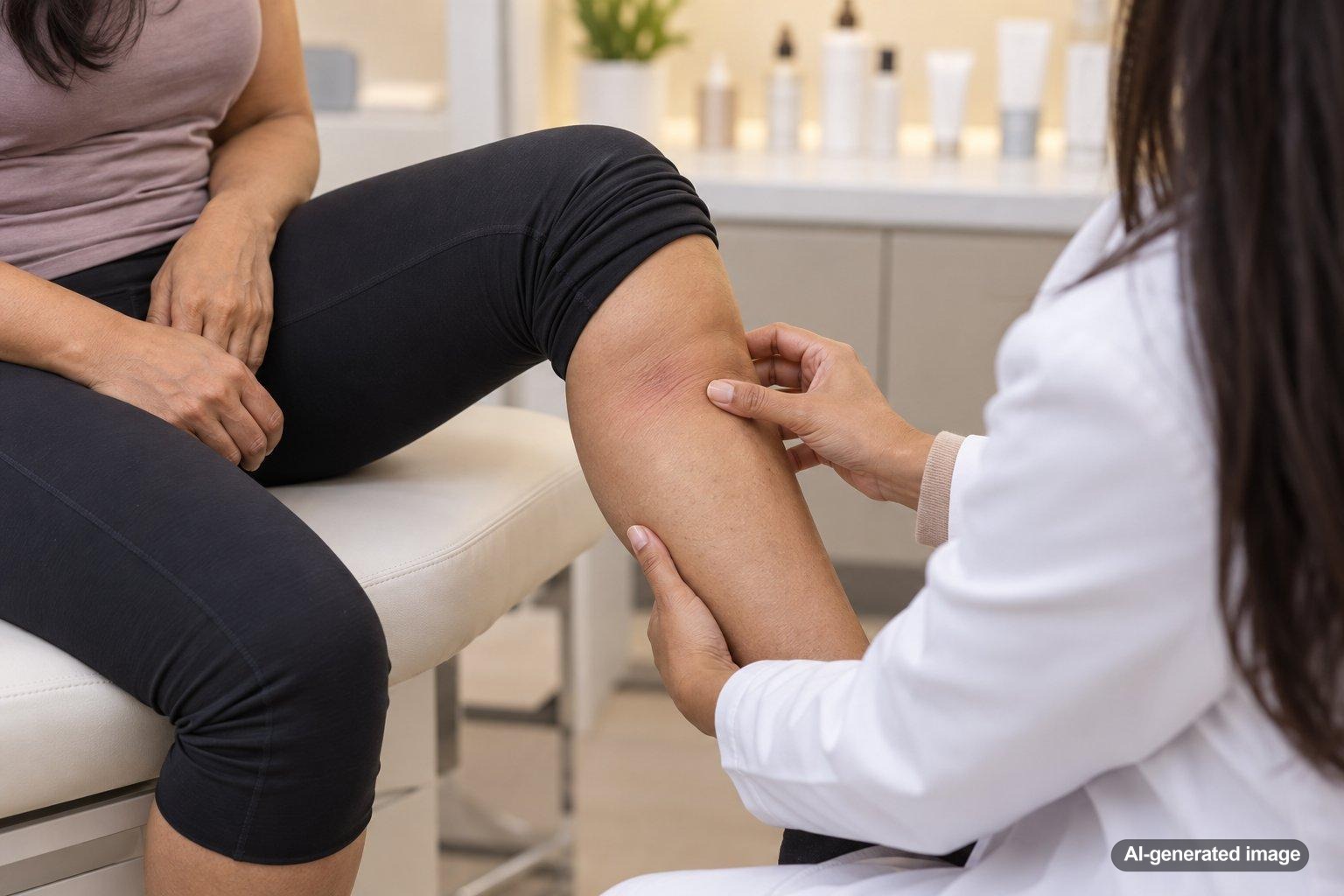
Learn why leggings can irritate the skin behind your knees, how friction, sweat, and fabrics contribute, and when to see a dermatologist.
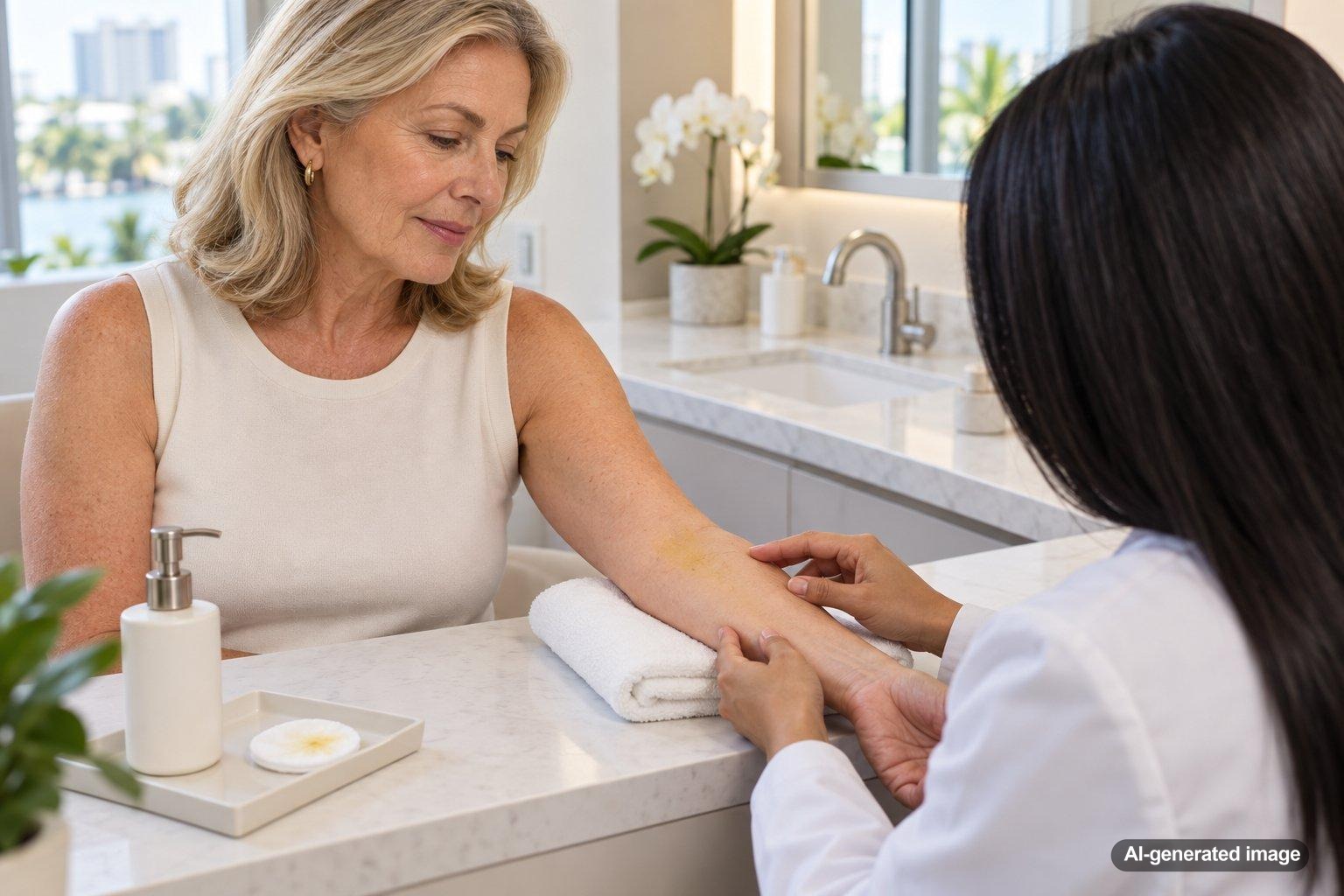
Yellow marks after sweating may come from skin products, clothing dyes, or sweat discoloration. Learn what causes them and when to see a dermatologist.

Rough skin on your thumb from holding your phone? Learn how friction, dryness, and irritation contribute and when to see a dermatologist.

A bright red dot that won’t disappear may be a cherry angioma or another skin growth. Learn possible causes, warning signs, and when to see a dermatologist.

Why does skin get dry on the side facing the AC? Learn how direct airflow affects your skin barrier and what may help prevent uneven dryness.
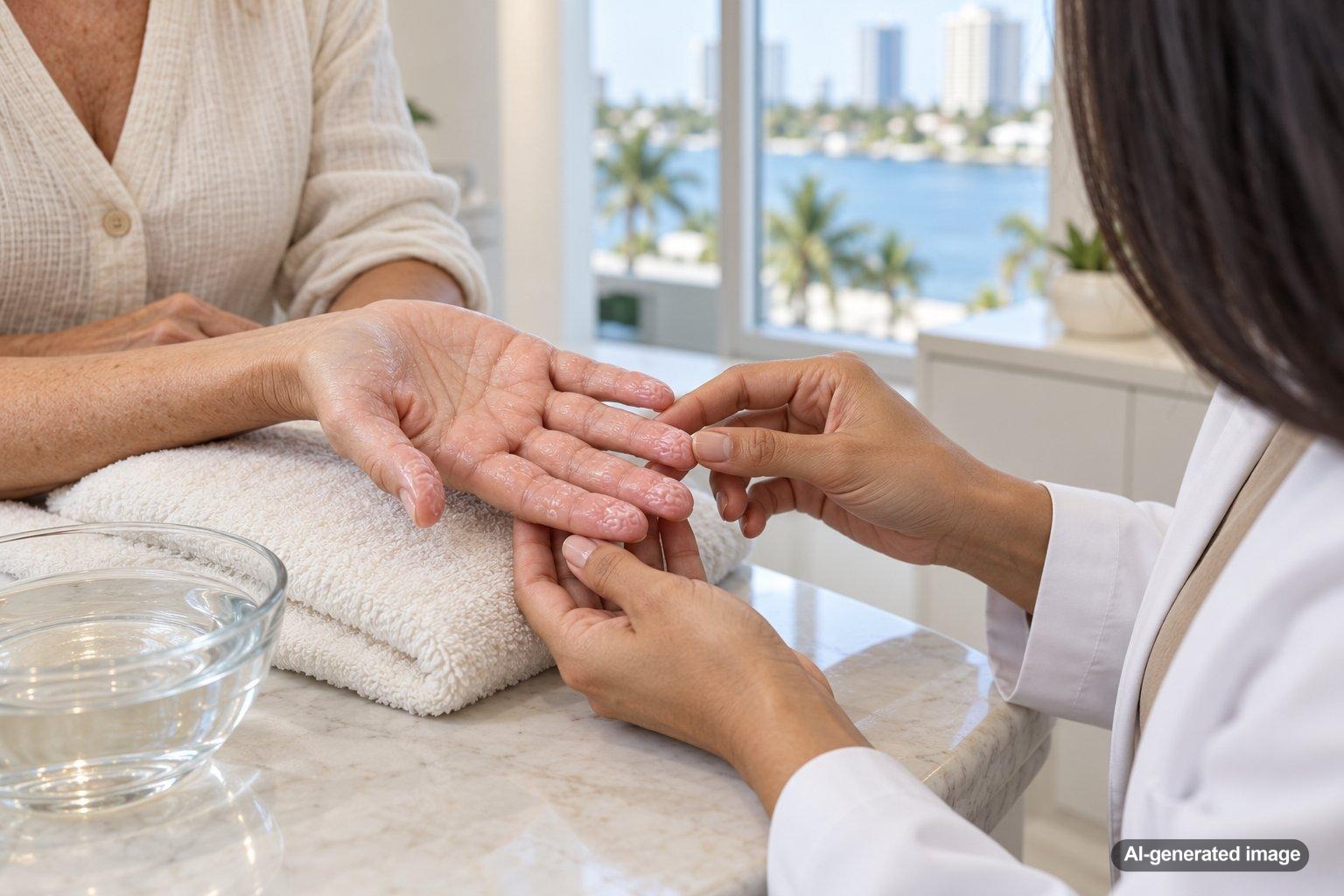
Why do your fingertips wrinkle within minutes of getting wet? Learn about normal skin responses, aquagenic wrinkling, and when to see a dermatologist.
