

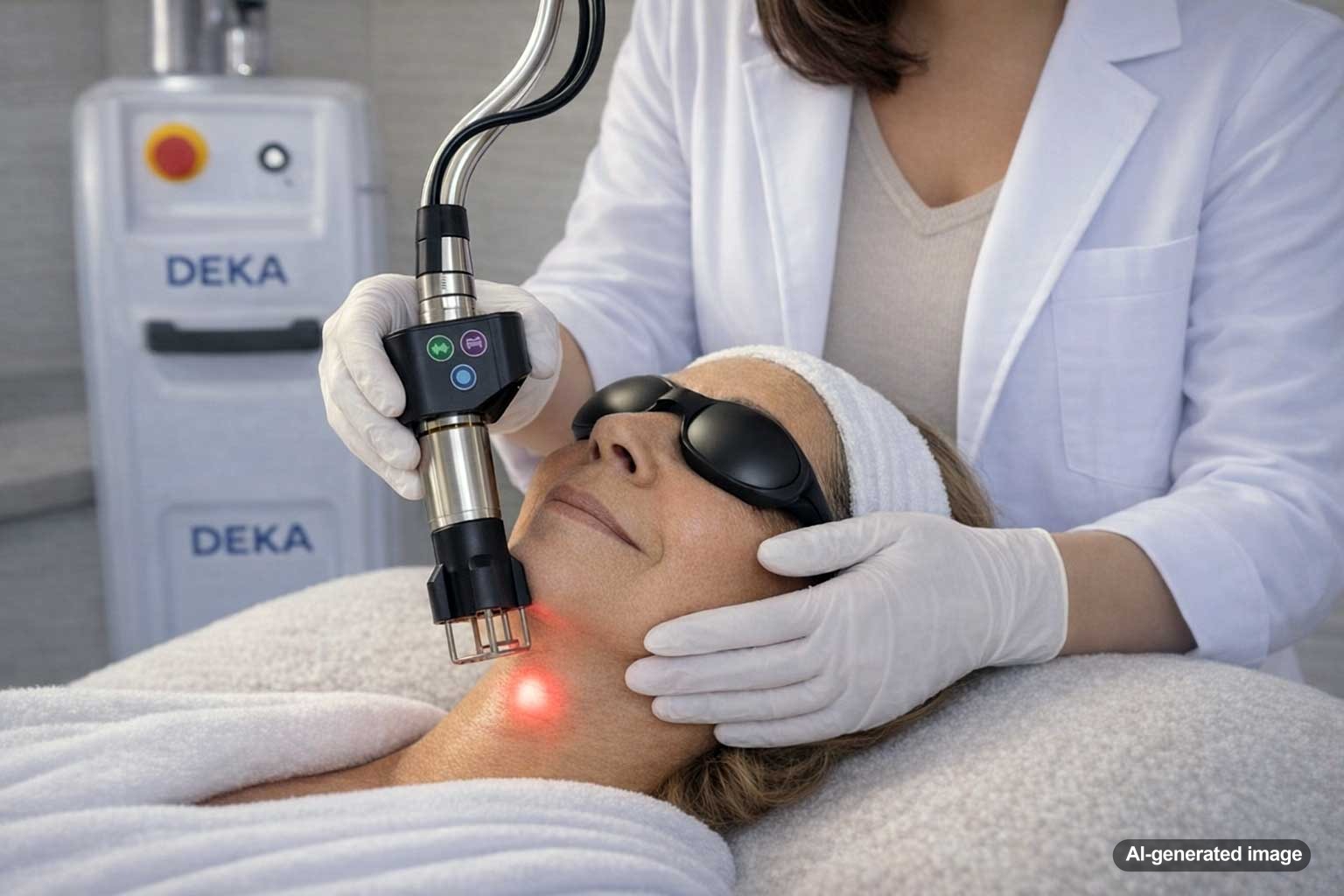
In South Florida, it does not take long for sun exposure to show up on the skin. Fine lines, rough texture, and uneven tone can slowly become more noticeable, especially if you spend time outdoors year-round or travel here often.
Tetra CoolPeel CO2 is one option people ask about when they want a refreshed look without the long recovery many associate with older resurfacing treatments. While downtime still varies from person to person, this approach is often discussed as a way to address texture and visible sun damage with a lighter recovery experience than traditional fully ablative CO2 treatments.
Quick answer
- Tetra CoolPeel CO2 is a resurfacing treatment that may help improve fine lines, rough texture, and some visible sun damage.
- It is often chosen by people who want meaningful skin renewal without setting aside weeks for recovery.
- Recovery, redness, and peeling can still happen, but the intensity and length can vary based on your skin and treatment settings.
- It is not the best fit for everyone, especially if you have very sensitive skin, active irritation, or concerns that need a medical evaluation first.
- A board-certified dermatologist can help decide whether this type of treatment matches your goals, skin tone, and lifestyle.
What it is
Tetra CoolPeel CO2 is a laser resurfacing option that targets the skin’s surface in a controlled way. In plain English, it is designed to remove a very thin layer of damaged skin while encouraging smoother texture and a more refined appearance over time. Many people seek it out for concerns like fine lines around the mouth or eyes, sun-related texture changes, and that generally weathered look that can build up after years of UV exposure.
It is still a real procedure, not a spa facial, so it helps to think of it as a middle ground. It can feel more substantial than a light glow treatment, while often involving less recovery than older, more aggressive CO2 resurfacing approaches.
Common causes or triggers
- Years of cumulative sun exposure
- Fine lines that become more visible as collagen naturally changes with age
- Rough or uneven texture from photoaging
- Dryness that makes creasing look more noticeable
- South Florida lifestyle habits such as boating, beach time, golf, and outdoor dining
- Past tanning or inconsistent sunscreen use
What you can do at home
If your goal is to keep fine lines and sun damage from becoming more noticeable, the basics still matter. Daily broad-spectrum sunscreen, shade, hats, and simple skincare can go a long way. A gentle cleanser, a moisturizer that supports the skin barrier, and a consistent sunscreen habit often make your skin look better even before any in-office treatment.
If your skin is easily irritated, it is usually smart to avoid layering too many strong products at once. Before any resurfacing procedure, many people do best when their skin is calm, well-moisturized, and not inflamed from overuse of scrubs, acids, or retinoids. Your clinician can give you specific pre-treatment instructions based on your skin.
Professional options
Professional care for fine lines and sun damage can include several categories of treatment. Common options include gentle lasers, fractional resurfacing, chemical peels, microneedling, and injectables for concerns that relate more to movement or volume loss than surface texture.
Tetra CoolPeel CO2 may be worth discussing if your main concerns are texture, crepey areas, and visible sun-related changes rather than deep laxity or heavy volume loss. The right choice depends on your skin type, how much downtime you can realistically manage, and whether your goals are subtle maintenance or a stronger reset. At Waverly DermSpa, we offer Tetra CoolPeel CO2 and can help you understand whether it may be appropriate.
When to see a dermatologist
Schedule an evaluation if you are not sure whether you are dealing with simple sun damage or something that needs a closer look. A dermatologist should assess any spot that is changing, bleeding, crusting, not healing, or standing out from the rest of your skin. It is also wise to check in before treatment if you have melasma, a history of easy pigmentation changes, recurrent cold sores, very reactive skin, or recent irritation from active skincare.
That matters in South Florida, where sun exposure is a year-round issue and many people want cosmetic improvement without overlooking skin health.
FAQ
Does Tetra CoolPeel CO2 hurt?
Comfort levels vary. Many people describe it as manageable, especially when appropriate comfort measures are used, but it is still a laser treatment and not completely sensation-free.
Will I be red afterward?
Redness is common after resurfacing treatments. Some people also notice a sandpapery feel, dryness, or light peeling as the skin recovers. The exact experience can vary.
Is this the same as traditional CO2 resurfacing?
Not exactly. It is still part of the CO2 resurfacing category, but it is often chosen by people seeking a less intensive recovery profile than older, more aggressive approaches.
Can it help with brown spots?
It may help improve the overall look of sun-damaged skin, but brown spots are not all the same. Some pigment concerns respond differently than others, so it is best to have your skin evaluated first.
How do I know if I am a good candidate?
The best way is an in-person consultation. A dermatologist can review your skin tone, goals, medical history, and daily routine to help decide whether this or another treatment path makes more sense.
Ready to get help?
Schedule an appointment or send a message and our team will get back to you.
Prefer to call? 954-666-3736
This article is for educational purposes and is not medical advice. For diagnosis and personalized treatment, please book an appointment with a board-certified dermatologist.
