


Stay informed about all things skin related with the Waverly DermSpa Blog!
We’ll keep you updated on the latest in dermatology, cosmetic procedures, skin care, and what’s happening in the office.

August 11, 2026
Learn how XERF may help improve crepey-looking skin on sun-exposed hands, what treatment involves, and when to see a dermatologist.
Read More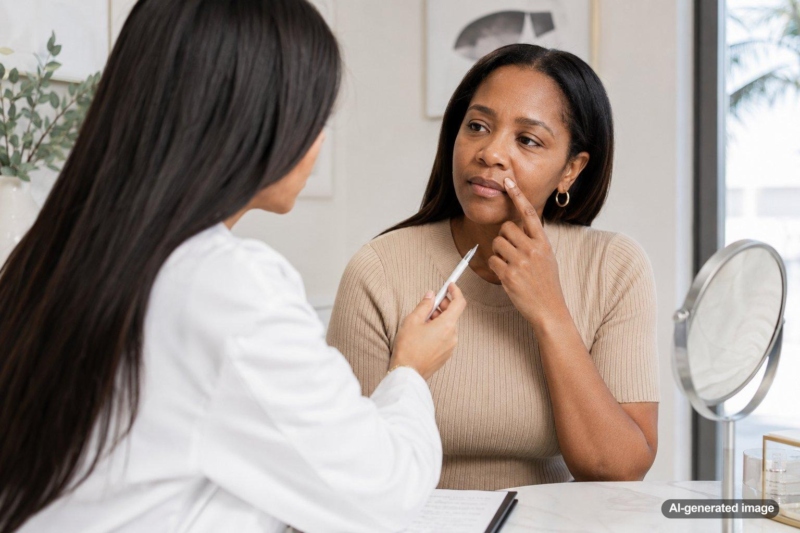
August 10, 2026
A darker upper lip may come from sun exposure, melasma, irritation, or hair shadow. Learn what may help and when to see a dermatologist.
Read More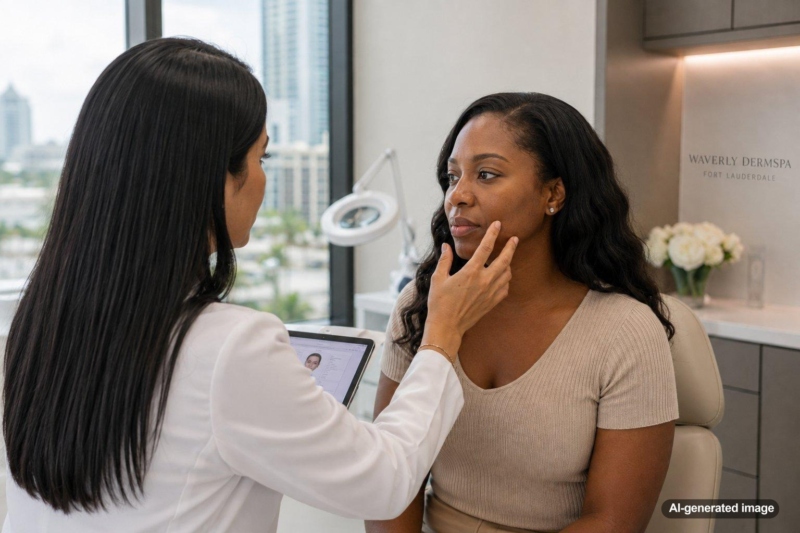
August 10, 2026
Learn how SkinPen may improve ice pick acne scars on the nose and cheeks, what affects candidacy, and what to expect in Fort Lauderdale.
Read More
August 10, 2026
Chest itching can feel stronger when you’re nervous. Learn how stress, heat, sweating, and skin sensitivity may contribute and when to see a dermatologist.
Read More
August 10, 2026
Arm hair can appear coarser or darker with age due to hormonal shifts, genetics, medications, and changes in the hair growth cycle.
Read More
August 10, 2026
Numbness after truSculpt iD is generally temporary. Learn what may be expected, how to protect the area, and when to contact your clinician.
Read More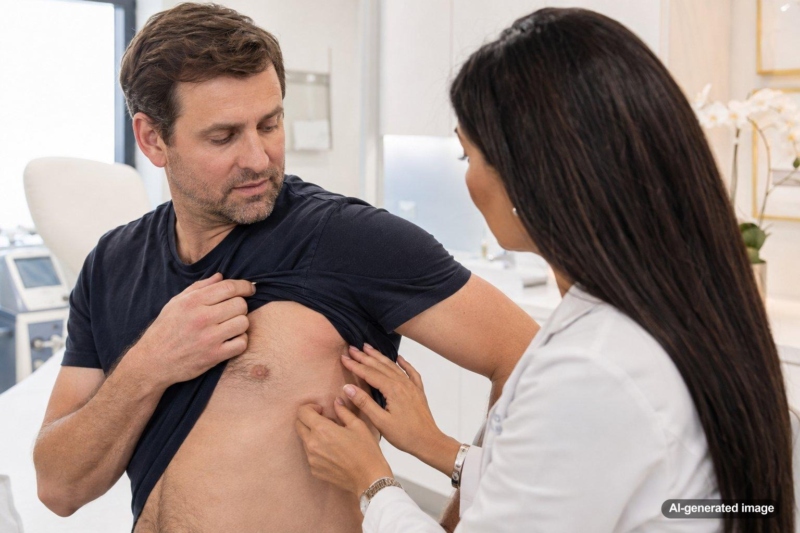
August 9, 2026
Learn why Hailey-Hailey disease causes recurring blisters and raw skin in body folds, common triggers, care options, and when to see a dermatologist.
Read More
August 9, 2026
A growing bald spot in your beard may be alopecia areata or another condition. Learn what to notice, what to avoid, and when to see a dermatologist.
Read More
August 9, 2026
Skin burning after a hot shower may come from heat, dryness, or a weakened skin barrier. Learn common triggers and when to see a dermatologist.
Read More
August 9, 2026
Tiny bumps after flying may come from dryness, friction, clogged pores, or folliculitis. Learn gentle care tips and when to see a dermatologist.
Read More
August 9, 2026
Learn when to resume outdoor exercise after XERF and how to protect treated skin from South Florida heat, sweat, friction, and sun.
Read More
August 8, 2026
Yellow, thick skin on the soles often comes from pressure or excess keratin, but fungal infections and skin conditions can look similar.
Read More