

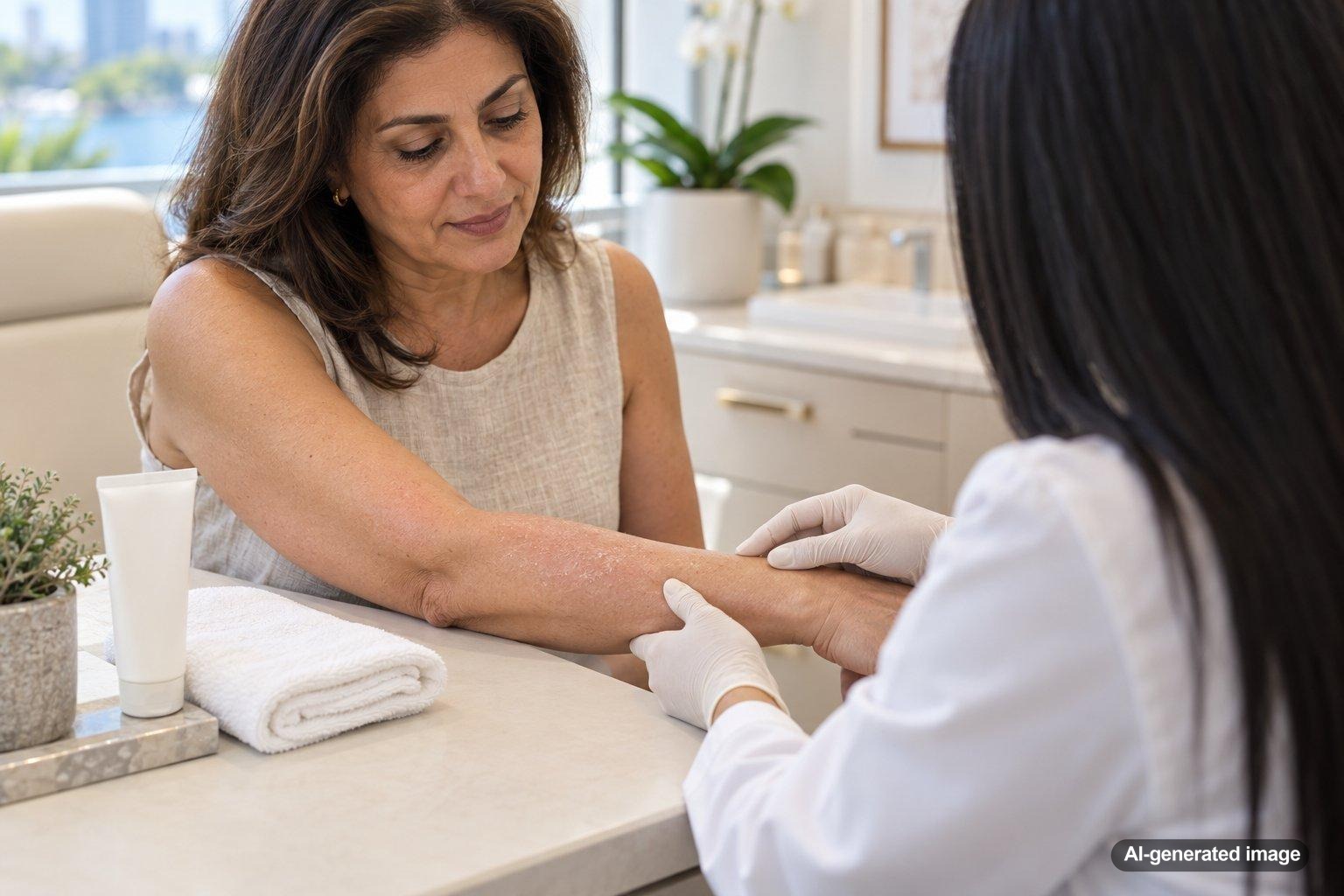
A sunburn does not need to blister before the skin begins peeling. Peeling can occur after a relatively mild sunburn because ultraviolet (UV) radiation damages cells in the outer layers of the skin. As the skin repairs itself, some of those damaged cells are shed, creating the familiar flakes or thin sheets of peeling skin.
This can be surprising when the original sunburn seemed minor. Perhaps the redness faded quickly, there was little discomfort, and no blisters appeared. Several days later, the skin may still begin to peel. Understanding why this happens can make the recovery process less confusing and help you recognize when a sunburn deserves professional attention.
Quick Answer: Why Sunburn Can Peel Without Blisters
- Peeling and blistering are different responses. Peeling involves shedding damaged surface cells, while blistering reflects more extensive injury and fluid accumulation within the skin.
- UV damage can occur without severe symptoms. Even a sunburn that produces modest redness can damage skin cells.
- Peeling is part of the recovery process. The skin gradually removes injured cells as its protective surface renews.
- Blisters are not required for peeling. The absence of blisters does not mean the skin escaped UV damage.
- Gentle care matters. Moisturizing, avoiding additional sun exposure, and allowing loose skin to shed naturally can support comfort during recovery.
What Happens Beneath the Surface of a Sunburn?
Sunburn is an inflammatory reaction caused by excessive exposure to ultraviolet radiation. UVB rays are especially associated with sunburn, although UVA radiation also contributes to skin damage.
When UV radiation penetrates the skin, it can damage DNA inside skin cells. The body responds through several protective and inflammatory processes. Blood vessels dilate, producing visible redness, and inflammatory signals contribute to warmth, tenderness, and swelling.
Some injured cells undergo programmed cell death, a controlled process that helps the body eliminate cells with significant damage. As the epidermis, or outer skin layer, continues renewing itself, damaged cells may separate from the surface.
This shedding is what becomes visible as peeling. The process can occur even when the original inflammation was not intense enough to produce blisters.
Why Do Some Sunburns Blister While Others Only Peel?
The difference generally relates to the extent and depth of the skin injury, along with individual characteristics of the skin.
A sunburn that causes peeling without blistering may involve enough cellular damage to trigger surface shedding but not the degree of tissue injury associated with blister formation.
Blisters develop when injury and inflammation cause fluid to accumulate between separated layers of skin. They are commonly associated with more severe sunburns and can be painful.
Peeling, by contrast, can follow a broader range of sunburn severity. A person may experience redness and tenderness, followed by visible flaking, without ever developing a fluid-filled blister.
Importantly, visible symptoms do not provide a complete measure of UV-related cellular damage. Skin that barely looks burned may still have experienced harmful exposure.
What Influences Whether Sunburned Skin Peels?
Several factors can affect the appearance and intensity of peeling after sun exposure:
- Amount of UV exposure: Longer or more intense exposure can increase the likelihood of noticeable skin injury.
- Individual skin characteristics: Natural pigmentation, sensitivity, and previous sun exposure can influence how skin responds.
- Body location: Areas such as the shoulders, chest, nose, and upper back may receive substantial exposure depending on clothing and activities.
- Environmental conditions: Reflective surfaces such as water and sand can contribute to UV exposure.
- Skin barrier condition: Preexisting dryness or irritation may make post-sunburn flaking more noticeable.
- Additional irritation: Friction, exfoliating products, and repeated sun exposure can aggravate already sensitive skin.
For people spending time in Fort Lauderdale, the combination of outdoor recreation, beach activities, boating, and strong sunshine can make consistent sun protection particularly important. Visitors arriving from cooler climates may also underestimate how much UV exposure they receive during ordinary outdoor activities.
Why Does Peeling Often Start After the Redness Fades?
Sunburn symptoms and visible peeling do not necessarily develop at the same time.
Redness and tenderness reflect the inflammatory response to UV injury. Peeling becomes apparent later as damaged surface cells detach during epidermal renewal.
Many people notice peeling several days after a sunburn, sometimes when the skin no longer feels especially hot or tender. The timing varies with the severity of the injury, individual skin characteristics, and other factors.
Peeling may also appear unevenly. Some areas can shed in fine flakes, while others release larger, thin pieces of skin. This variation does not automatically indicate a complication.
How to Care for Skin That Is Peeling After Sunburn
During recovery, the goal is to minimize irritation and protect the skin while its barrier renews naturally.
- Use a gentle moisturizer. A fragrance-free cream or lotion may help relieve dryness and tightness. Applying it after a cool shower can be comfortable.
- Avoid pulling or picking. Removing attached peeling skin can irritate the tender surface underneath.
- Skip exfoliation temporarily. Scrubs, exfoliating acids, and retinoids may worsen irritation while the skin is recovering.
- Choose cool or lukewarm water. Hot showers and vigorous towel rubbing can make sensitive skin more uncomfortable.
- Protect the area from additional UV exposure. Shade and loose, tightly woven protective clothing can reduce further irritation.
- Maintain normal hydration. Drinking fluids regularly is sensible, particularly after prolonged outdoor activity in hot weather.
For intact skin that is no longer acutely irritated, broad-spectrum, water-resistant sunscreen with SPF 30 or higher remains an important part of everyday protection. Severely irritated or blistered areas are generally better protected with shade and clothing until they can be comfortably managed.
Can You Prevent Peeling Once a Sunburn Has Happened?
There is no reliable way to stop every episode of peeling after UV damage has occurred. Moisturizing may improve comfort and reduce the appearance of dryness, but it does not reverse the original cellular injury.
Likewise, removing peeling skin does not accelerate healthy recovery. It may instead expose more sensitive tissue and prolong irritation.
The most effective approach is preventing additional damage while the skin heals. Consistent shade, protective clothing, sunscreen, and avoiding peak UV exposure when practical can reduce future sunburn risk.
When Should You See a Dermatologist?
Uncomplicated, mild peeling often improves with conservative skin care. However, certain symptoms warrant medical attention.
Seek prompt medical care if sunburn is accompanied by extensive blistering, severe or worsening pain, significant swelling, fever, chills, vomiting, dizziness, confusion, or signs of dehydration. These symptoms can indicate a more serious situation requiring assessment.
Increasing redness, spreading warmth, pus, or worsening tenderness after the initial injury may also suggest a complication that should be evaluated.
A dermatologist can assess persistent irritation, unusual pigment changes, prolonged peeling, or skin that does not seem to recover as expected. Repeated sunburns and concerns about cumulative sun damage are also worthwhile reasons to discuss a personalized prevention strategy.
Frequently Asked Questions
Does peeling mean my sunburn was severe?
Not necessarily. Peeling can follow mild or moderate sunburns without blistering. However, it does indicate that the skin experienced enough injury to shed damaged surface cells. The absence of blisters does not establish that UV exposure was harmless.
Is it normal for sunburn to peel without ever feeling painful?
It can happen. Discomfort varies considerably, and some people notice relatively little tenderness before peeling begins. Visible redness and pain are not perfect indicators of the underlying degree of UV damage.
Should I exfoliate to remove peeling sunburn skin?
No. Physical scrubs, exfoliating brushes, and strong chemical exfoliants can irritate recovering skin. Allowing the loose skin to detach naturally is generally the gentler approach.
Can sunburn peeling leave dark or light patches?
Temporary changes in pigmentation may occur after inflammation, particularly in skin that is prone to post-inflammatory hyperpigmentation. The appearance and duration vary. Persistent, unusual, or changing areas deserve dermatologic evaluation.
Does peeling remove the long-term damage from a sunburn?
No. Although peeling removes some injured surface cells, it does not erase all UV-related changes. Sun exposure can contribute to cumulative skin damage even when the skin appears to recover completely.
Can I go back into the sun while my skin is peeling?
It is generally preferable to avoid direct sun exposure on actively peeling or irritated skin. Protective clothing and shade are especially helpful during recovery. Once the skin has healed, consistent sun protection remains important.
The Bottom Line
A sunburn can peel without blistering because the skin can shed UV-damaged cells without developing the deeper inflammatory injury associated with blisters. Peeling is a visible part of recovery, not a measure of how much long-term damage has been avoided.
Gentle moisturizing, leaving peeling skin alone, and preventing additional sun exposure can make recovery more comfortable. If symptoms are unusually severe, persistent, or concerning, a dermatologist can help determine whether further care is appropriate.
Ready to get help?
Schedule an appointment or send a message and our team will get back to you.
Prefer to call? 954-666-3736
Disclaimer
This article is for educational purposes and is not medical advice. For diagnosis and personalized treatment, please book an appointment with a board-certified dermatologist.
