

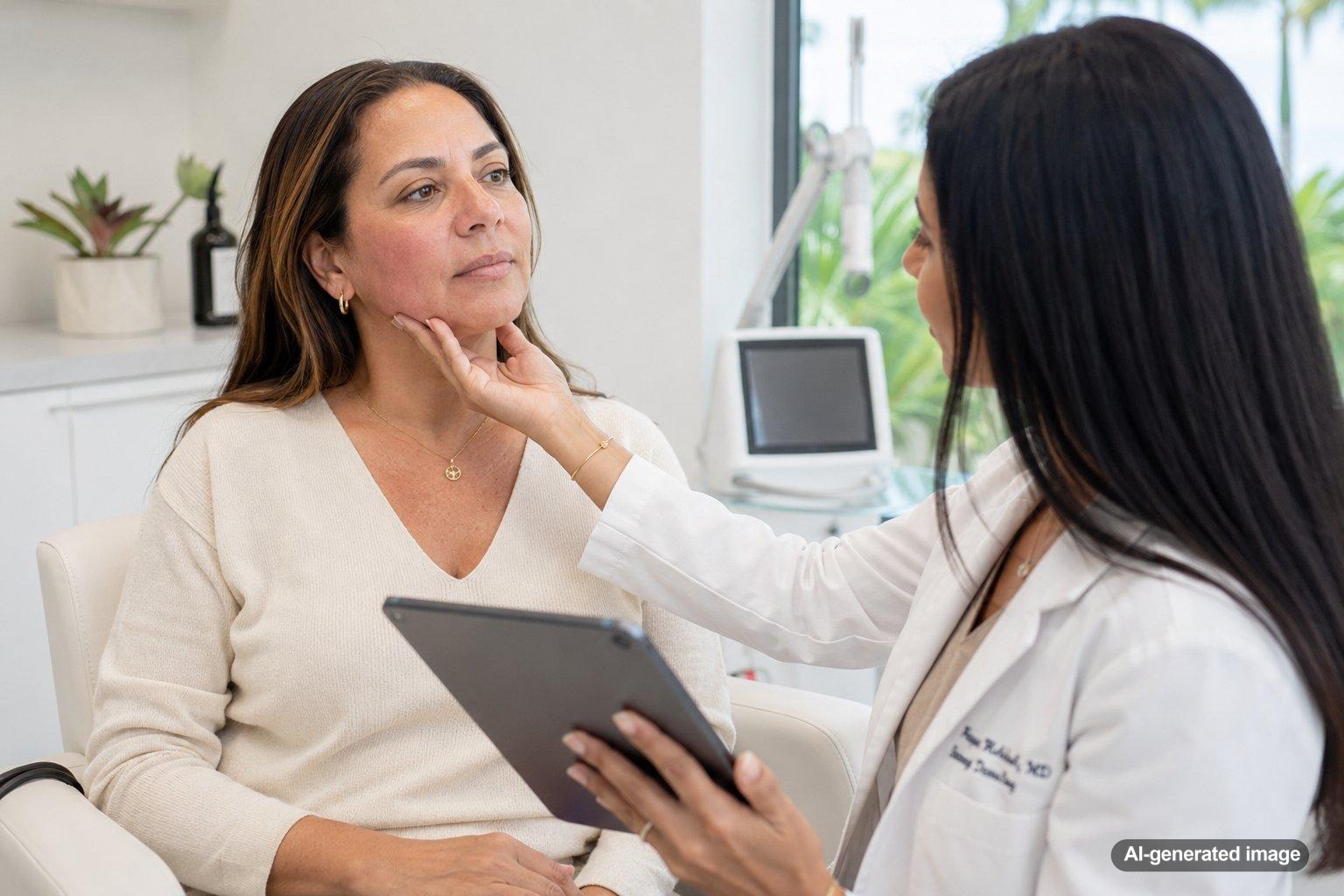
XERF skin tightening is designed as a noninvasive option for people who want a firmer, smoother-looking appearance without surgery. Like most energy-based treatments, it can be associated with temporary skin changes after a session. The most common side effects are usually mild and short-lived, but your individual response can vary based on your skin, treatment area, settings used, and medical history.
The main thing to know is that warmth, redness, tenderness, or mild swelling can happen after treatment. Less commonly, energy-based procedures may be associated with irritation, burns, pigment changes, or prolonged sensitivity, which is why treatment should be performed by a trained clinician who can evaluate whether it is appropriate for your skin.
Quick answer
- Common XERF skin tightening side effects may include temporary redness, warmth, tenderness, swelling, or a tight sensation.
- Some people notice mild dryness or sensitivity as the skin settles after treatment.
- Less common risks can include blistering, burns, bruising, pigment changes, or irritation.
- Most aftercare is conservative: gentle cleansing, moisturizer, sun protection, and avoiding harsh products until the skin feels calm.
- Contact your clinician if you have worsening pain, blistering, drainage, spreading redness, or symptoms that do not feel typical for you.
What XERF skin tightening is
XERF is an energy-based skin tightening treatment that uses controlled heat to support a firmer-looking appearance in treated areas. It is not surgery, and it does not remove skin. Instead, the goal is to deliver heat in a controlled way while your clinician monitors comfort, skin response, and treatment parameters.
Because the treatment involves heat, side effects are usually related to temporary inflammation or sensitivity in the treated skin. A consultation is important because your dermatologist can review your skin type, history of sensitivity, tendency toward pigmentation, recent procedures, medications, and whether you have any contraindications that should be considered.
Common side effects after XERF skin tightening
The most expected side effects are usually mild skin reactions in the treated area. These can include:
- Redness: The skin may look flushed soon after treatment.
- Warmth: Treated areas may feel warm or sun-warmed for a period of time.
- Tenderness: Some people notice mild soreness, sensitivity, or a tight feeling.
- Swelling: Mild puffiness can occur, especially in delicate areas.
- Dryness or roughness: Skin may feel temporarily drier than usual as it calms.
These effects are generally consistent with the way skin can respond to controlled heat. Your clinician should explain what is expected for your specific treatment area and what would be unusual.
Less common side effects and risks
Less common reactions may include more noticeable irritation, bruising, blistering, burns, scabbing, changes in pigmentation, or prolonged sensitivity. These reactions are not expected for everyone, but they are important to understand before treatment.
People with sensitive skin, a history of post-inflammatory hyperpigmentation, recent tanning, active irritation, certain implanted devices, or recent cosmetic treatments may need a more cautious plan. A dermatologist can help decide whether XERF is appropriate, whether settings should be adjusted, or whether another option may be a better fit.
What can make side effects more likely
Side effects may be influenced by several practical factors, including:
- Recent sun exposure or tanning before treatment.
- Using strong exfoliating acids, retinoids, or irritating products too close to the appointment.
- Having active rash, infection, open skin, or significant inflammation in the treatment area.
- A personal history of pigment changes after heat, lasers, peels, or irritation.
- Treatment over areas where the skin is thinner or more reactive.
- Medical history, medications, or implanted devices that need review before energy-based treatment.
This is why a careful pre-treatment conversation matters. The safest plan is individualized rather than one-size-fits-all.
What you can do at home after treatment
After XERF skin tightening, keep your routine simple unless your clinician gives you different instructions. Gentle care can help the skin feel more comfortable while it settles.
- Use a mild cleanser and avoid scrubbing the treated area.
- Apply a gentle moisturizer if the skin feels dry or tight.
- Use broad-spectrum sunscreen and avoid intentional tanning.
- Pause harsh exfoliants, strong acids, and retinoids until your clinician says they are appropriate to restart.
- Avoid picking, rubbing, or aggressively massaging areas that feel tender.
- Follow the specific aftercare plan provided by your treatment team.
If your skin feels unusually painful, hot, blistered, or progressively worse, do not try to manage it with random products. Contact your clinician for guidance.
Professional options and how a dermatologist helps
A dermatologist can evaluate whether XERF fits your goals, skin type, and medical history. They can also explain what level of improvement is realistic, what side effects are possible, and whether another treatment category may be more appropriate.
Professional options for laxity, texture, and aging-related changes may include energy-based treatments, injectables, microneedling, resurfacing, skincare plans, or combination approaches. The right choice depends on your anatomy, downtime preferences, skin tone, sensitivity, and the degree of change you want to address. At Waverly DermSpa, we offer XERF and can help you understand whether it may be appropriate.
When to see a dermatologist
You should contact a dermatologist or your treating clinician if your symptoms feel more intense than expected or if you notice warning signs after treatment. These can include:
- Blistering, open skin, or crusting.
- Increasing pain rather than gradual calming.
- Spreading redness, warmth, drainage, or signs of infection.
- Darkening or lightening of the treated skin that concerns you.
- Swelling that feels significant or continues to worsen.
- Any reaction that does not match the aftercare instructions you were given.
If you are unsure, it is worth getting checked. Early guidance can help protect the skin barrier and reduce the chance of unnecessary irritation.
FAQ
Is redness normal after XERF skin tightening?
Temporary redness can happen after heat-based skin tightening. Your clinician should tell you what is expected for your skin and when to reach out if redness is worsening or not improving as anticipated.
Can XERF cause burns?
Burns are not the goal of treatment, but burns are a possible risk with energy-based procedures. Proper patient selection, technique, settings, and monitoring help reduce risk.
Can darker skin tones have XERF?
Suitability depends on the device, settings, skin history, and treatment goals. A dermatologist can evaluate your risk for irritation or pigment changes and discuss whether XERF is appropriate for you.
Should I stop retinoids before treatment?
Your clinician may recommend pausing retinoids or other potentially irritating products before or after treatment, depending on your routine and skin sensitivity. Follow the instructions provided by your treatment team.
How much downtime should I expect?
Downtime varies. Some people have minimal visible irritation, while others may have temporary redness, warmth, or tenderness. Your clinician can explain what is typical for the area being treated.
Who should perform XERF skin tightening?
Energy-based skin treatments should be performed by trained professionals in an appropriate clinical setting. A dermatologist-led evaluation can help identify risk factors and create a safer, more personalized plan.
Ready to get help?
Schedule an appointment or send a message and our team will get back to you.
Prefer to call? 954-666-3736
Disclaimer
This article is for educational purposes and is not medical advice. For diagnosis and personalized treatment, please book an appointment with a board-certified dermatologist.
Sources & further reading
- U.S. Food and Drug Administration (FDA) – Laser Products and Instruments
- American Academy of Dermatology (AAD) – Laser Hair Removal Safety
