

If your skin burns, stings, or feels hot after shaving, the most common reason is irritation from the shave itself. Shaving removes hair, but it can also disturb the outer skin barrier, create tiny surface nicks, and trigger inflammation around hair follicles, especially when the skin is dry, sensitive, or shaved too closely.
The feeling can be uncomfortable, but it is not always a sign that something serious is happening. Many cases improve with gentler technique, fewer irritating products, and a little time between shaves. If burning is intense, keeps coming back, or comes with bumps, pus, swelling, or worsening redness, a dermatologist can help evaluate what is going on.
Quick answer
- Burning after shaving is often related to razor burn, friction, dry shaving, shaving against hair growth, or using a dull blade.
- Razor bumps and ingrown hairs can cause tenderness, itching, and small inflamed bumps after shaving.
- Fragrance, alcohol-based aftershaves, exfoliating acids, and deodorants can sting freshly shaved skin.
- Gentle shaving habits and a simple moisturizer may help reduce irritation.
- See a dermatologist if symptoms are severe, recurrent, spreading, or look infected.
What razor burn is
Razor burn is a short-term irritation that can happen after shaving. It may feel like burning, stinging, tightness, itchiness, or sensitivity. The skin may look red or bumpy, or it may simply feel raw. It often appears soon after shaving and is more likely when the razor drags across dry skin, when the blade is dull, or when you shave too quickly.
Razor burn is different from razor bumps, although they can happen together. Razor bumps are often related to hairs curling back into the skin after shaving, which can create inflamed bumps known as pseudofolliculitis. People with curly or coarse hair may be more prone to this pattern, especially on the face, neck, bikini area, underarms, or legs.
Common reasons your skin burns after shaving
- Dry shaving: Shaving without enough water or shaving cream can increase friction and leave skin feeling scraped.
- A dull or dirty blade: Older blades can tug at hair instead of cutting cleanly, which may irritate the skin.
- Shaving against the grain: Going opposite the direction of hair growth can create a closer shave, but it may also increase irritation and ingrown hairs.
- Too much pressure: Pressing down can disturb the skin barrier and make burning more likely.
- Repeated passes: Shaving the same area over and over can create unnecessary friction.
- Irritating products: Fragrance, alcohol-based aftershave, strong soaps, exfoliating acids, retinoids, and deodorant can sting on freshly shaved skin.
- Heat, sweat, and friction: In a warm climate like Fort Lauderdale, sweat, tight clothing, and humidity can make freshly shaved skin feel more reactive.
What you can do at home
Start with the basics: give your skin time to calm down, avoid shaving over irritated areas, and keep the routine simple for a few days. A cool compress may feel soothing. A gentle, fragrance-free moisturizer can help support the skin barrier while the area settles.
- Shave after warm water has softened the hair, such as near the end of a shower.
- Use a shaving cream or gel, especially one labeled for sensitive skin.
- Shave in the direction the hair grows when possible.
- Use light pressure and avoid going over the same area repeatedly.
- Rinse the blade after each stroke so it does not drag.
- Replace disposable razors regularly and store them somewhere dry.
- Pause fragranced lotions, alcohol-based aftershaves, and active exfoliants on freshly shaved areas if they sting.
If bumps or ingrown hairs are a recurring issue, avoid picking or squeezing them. That can worsen inflammation and may increase the chance of marks or scarring. Your clinician can help you decide whether changes in hair removal method, topical products, or office-based options make sense for your skin.
Professional options
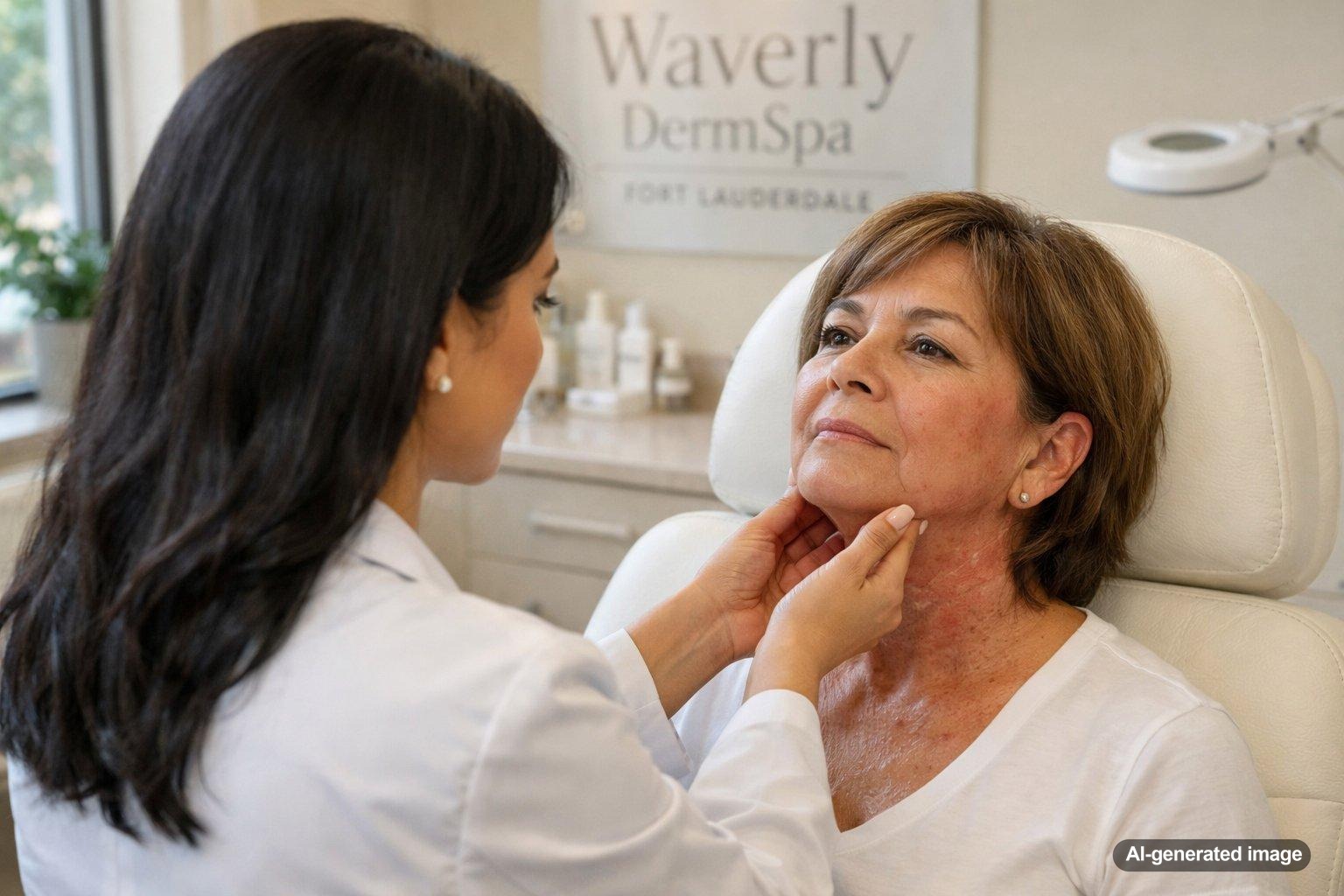
When shaving irritation keeps returning, a dermatologist can look at the pattern, location, skin type, hair texture, and products you use. Common options may include adjusting shaving technique, recommending barrier-supportive skincare, discussing prescription options when inflammation is significant, or evaluating whether another diagnosis is involved.
For people who frequently develop irritation from shaving, longer-term hair reduction may be part of the conversation. At Waverly DermSpa, we offer Excel HR Laser Hair Removal and can help you understand whether it may be appropriate.
When to see a dermatologist
It is worth booking an appointment if burning after shaving is frequent, severe, or not improving with gentler habits. You should also be evaluated if you notice spreading redness, warmth, swelling, pus-filled bumps, significant pain, open sores, fever, dark marks that linger, or bumps that keep returning in the same areas.
A dermatologist can help distinguish simple razor burn from ingrown hairs, folliculitis, allergic or irritant contact dermatitis, eczema flares, or other skin conditions that may need a different approach.
FAQ
Why does my skin burn right after shaving?
Immediate burning is often related to friction, a disrupted skin barrier, dry shaving, too much pressure, or a product that stings on freshly shaved skin.
Are razor burn and razor bumps the same thing?
Not exactly. Razor burn usually refers to irritation after shaving. Razor bumps often involve hairs growing back into the skin and causing inflamed bumps.
Should I shave again if my skin is already irritated?
It is usually better to give irritated skin time to calm before shaving again. Shaving over burning or bumpy skin can make irritation worse.
Can shaving cause folliculitis?
Shaving can irritate hair follicles and may be associated with folliculitis in some cases. If bumps are painful, pus-filled, spreading, or recurrent, a dermatologist can evaluate the area.
What should I avoid after shaving?
Avoid applying products that sting, such as alcohol-based aftershaves, fragranced lotions, harsh scrubs, or strong exfoliating acids, especially when the skin already feels raw.
Ready to get help?
Schedule an appointment or send a message and our team will get back to you.
Prefer to call? 954-666-3736
Disclaimer
This article is for educational purposes and is not medical advice. For diagnosis and personalized treatment, please book an appointment with a board-certified dermatologist.
Sources & further reading
- American Academy of Dermatology (AAD) – Hair removal: How to shave
- American Academy of Dermatology (AAD) – 6 razor bump prevention tips from dermatologists
- Cleveland Clinic – Razor Burn: Causes & Treatment
- Mayo Clinic – Folliculitis: Symptoms & causes
