

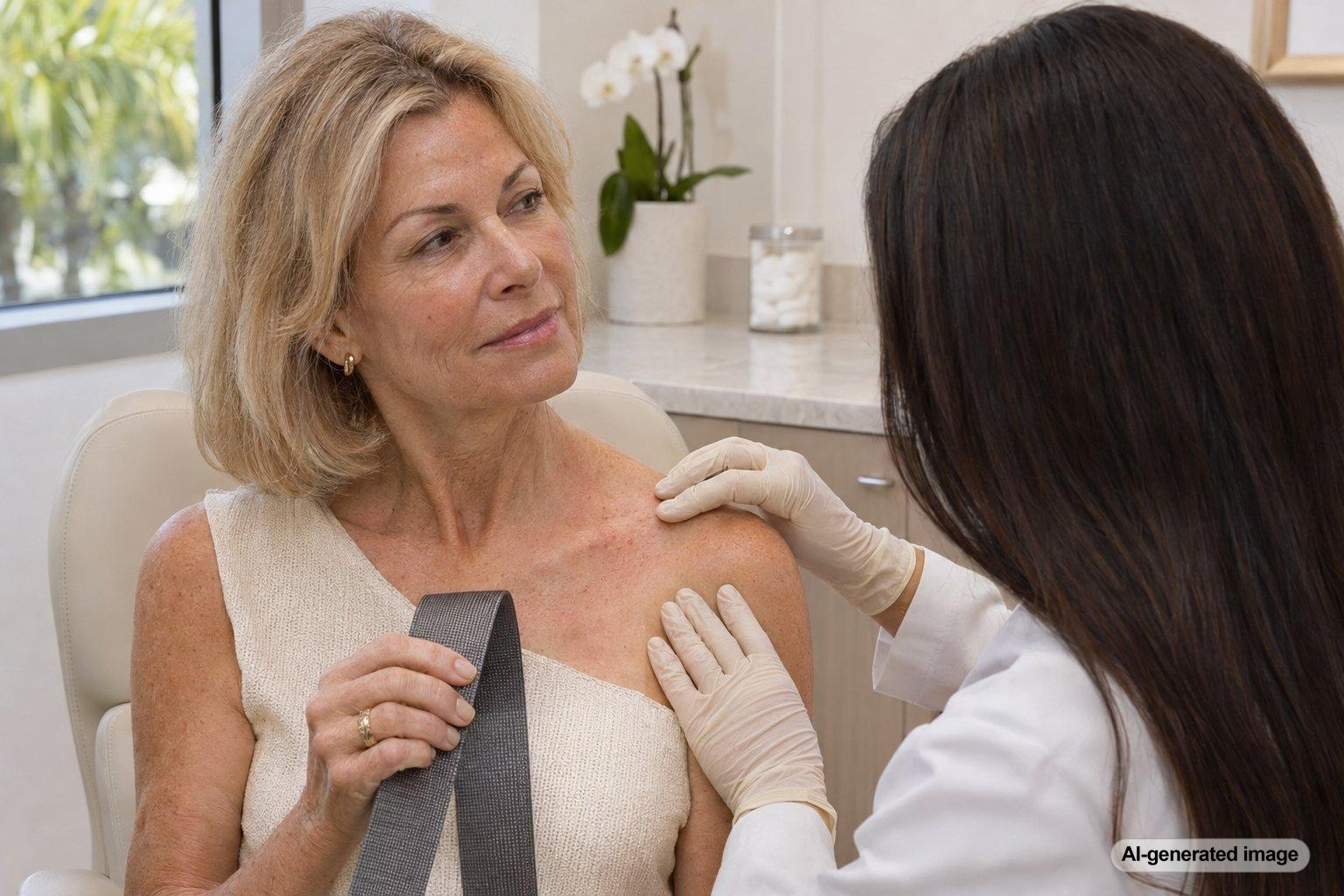
If you’ve noticed small bumps, redness, or an uncomfortable rough texture across your chest, shoulder, or neck after wearing a tight seat belt, the belt itself may be contributing to the irritation. Repeated rubbing, localized pressure, trapped warmth, and moisture can temporarily change how the skin looks and feels, particularly when the same area experiences friction during a long drive.
These changes are often related to mechanical irritation rather than anything inherently harmful about the seat belt material. However, different skin reactions can look similar, and persistent or recurring bumps deserve a closer look. Understanding how friction affects the skin can help you make practical adjustments without compromising the safety of your seat belt.
Quick Answer: Why Does a Tight Seat Belt Cause Skin Bumps?
A tight or frequently rubbing seat belt can create several conditions that contribute to temporary skin irritation:
- Repeated friction: Movement between the belt and skin may produce redness, roughness, or small irritated bumps.
- Localized pressure: Pressure along the belt’s contact area can temporarily change the appearance of sensitive skin.
- Heat and perspiration: Warmth and trapped moisture may make irritation more noticeable.
- Skin sensitivity: An already sensitive or disrupted skin barrier may react more readily to rubbing.
- Fabric and product residue: Clothing materials, laundry products, or substances on the belt may occasionally contribute to irritation.
The pattern, duration, and accompanying symptoms can help a dermatologist distinguish ordinary friction-related irritation from other skin conditions.
What Happens to Your Skin Under a Tight Seat Belt?
The outermost skin layer acts as a protective barrier that helps retain moisture and limits exposure to environmental irritants. Repeated mechanical contact can disturb this barrier, especially when pressure and movement occur together.
A shoulder belt typically crosses the collarbone, upper chest, and shoulder. During driving, normal body movements, changes in posture, and slight shifts in the belt can create repeated rubbing along this path.
When skin is exposed to ongoing friction, the affected area may become pink, tender, itchy, or uneven in texture. Some people notice tiny raised spots, while others develop a broader patch of irritation. The appearance depends on individual skin sensitivity, environmental conditions, and the amount of friction involved.
Not every bump that appears beneath a seat belt has the same explanation. Raised marks that appear quickly and fade may reflect a different skin response than rough bumps that remain for several days.
Common Reasons Skin Becomes Bumpy After Driving
Friction Against the Skin
Friction is one of the most straightforward explanations. When a belt repeatedly moves against exposed skin, especially near the neckline or collarbone, the contact can irritate the surface. This may be more noticeable during long trips or when clothing leaves part of the shoulder exposed.
Pressure-Related Skin Reactions
Some people develop temporary raised areas after sustained pressure or rubbing. These reactions may resemble welts rather than tiny, persistent bumps. Their timing and appearance can offer useful clues, but a visual examination may be necessary to identify the cause.
Heat, Sweat, and Occlusion
Warm environments can make friction-related discomfort more noticeable. In Fort Lauderdale, humid weather, warm car interiors, and perspiration may contribute to moisture accumulation where the belt touches clothing or skin.
When warmth and moisture are trapped against the skin, the affected area may feel irritated or develop small superficial bumps. This can be especially noticeable during extended drives or after outdoor activities.
Clothing and Fabric Texture
A rough shirt seam, textured fabric, or tight neckline may increase rubbing beneath the belt. Even when the belt does not directly touch bare skin, pressure against clothing can create an uncomfortable contact point.
Personal Care Products and Residue
Fragranced body products, certain laundry detergents, and residues on frequently handled surfaces may contribute to irritation in susceptible individuals. If a reaction includes substantial itching or occurs repeatedly with a particular product, a dermatologist may consider whether a contact-related skin reaction is involved.
What You Can Do to Reduce Seat Belt Skin Irritation
Conservative adjustments may reduce unnecessary friction while supporting the skin barrier.
- Keep the seat belt positioned correctly. The shoulder belt should cross the middle of the shoulder and chest rather than resting against the neck or slipping off the shoulder. Adjust the vehicle’s approved belt-height setting and seat position as appropriate.
- Choose comfortable clothing. Soft, breathable clothing that covers areas of repeated rubbing may reduce direct contact with the belt.
- Cleanse gently. After a long drive, wash irritated areas with a mild cleanser and lukewarm water. Avoid vigorous scrubbing.
- Support the skin barrier. A simple, fragrance-free moisturizer may help maintain comfortable skin, particularly when dryness is present.
- Limit additional irritation. Avoid exfoliating acids, harsh scrubs, or heavily fragranced products directly over visibly irritated skin until it has settled.
- Address excess moisture. Change out of damp clothing when practical and allow the skin to dry gently.
Do not place the shoulder belt behind your back or under your arm, loosen it improperly, or use unapproved accessories to avoid skin contact. Correct seat belt positioning remains essential for passenger safety.
What If the Bumps Keep Coming Back?
When bumps repeatedly appear in the same area, it helps to observe the circumstances rather than immediately trying multiple skincare treatments.
Consider whether the reaction occurs only during long drives, after sweating, with particular clothing, or when the belt directly touches bare skin. Also note whether the bumps are itchy, tender, rough, or raised like welts.
A photograph taken when the reaction is visible may be helpful during a dermatology appointment, especially if the skin looks normal by the time you’re examined.
Recurring reactions are not always caused by friction alone. The location of the bumps, their duration, and their appearance can help distinguish different possibilities.
Professional Evaluation and Skin Care Options
A dermatologist can examine persistent or recurring bumps and assess whether the pattern is consistent with mechanical irritation, a contact-related reaction, a pressure-triggered response, or another skin concern.
Evaluation may include reviewing symptom timing, clothing and skincare habits, and possible exposures. When clinically appropriate, additional assessment may help clarify whether a particular substance is contributing to the reaction.
Professional care generally focuses on identifying the underlying trigger and selecting an appropriate approach to calm the skin. Treatment recommendations vary according to the findings and should be individualized rather than based on the appearance of bumps alone.
When Should You See a Dermatologist?
Consider scheduling a dermatology appointment if:
- The bumps persist after the friction has stopped.
- The same reaction occurs repeatedly despite practical adjustments.
- The affected area becomes increasingly painful, swollen, or uncomfortable.
- The skin develops blisters, significant peeling, cracking, or drainage.
- The reaction spreads beyond the area where the seat belt touches.
- You’re uncertain whether the bumps are related to friction or another skin condition.
Rapidly spreading redness accompanied by fever, substantial pain, or feeling unwell warrants prompt medical assessment. Sudden difficulty breathing or swelling of the lips, tongue, or throat requires emergency care.
A dermatologist can help clarify the cause and recommend suitable next steps based on your skin and symptoms.
Frequently Asked Questions
Can a seat belt cause tiny bumps on my chest?
Yes. Repeated pressure, rubbing, and trapped perspiration may contribute to small bumps or irritation along the seat belt’s contact area. However, bumps can have several causes, so their appearance alone cannot establish a diagnosis.
Why does my skin become itchy where the seat belt touches?
Itching may occur when friction disrupts the skin barrier or when moisture and other irritants remain against the skin. Some people also experience raised, itchy reactions in response to pressure. Persistent itching deserves evaluation.
Are seat belt bumps the same as acne?
Not necessarily. Friction and occlusion can aggravate acne-prone areas, but many bumps associated with seat belt contact are not acne. Their distribution, appearance, and accompanying symptoms help guide an appropriate assessment.
How long do friction-related skin bumps last?
The duration varies. Mild, temporary redness or raised marks may settle relatively quickly after pressure or rubbing stops, while more pronounced irritation can remain longer. Bumps that persist, worsen, or repeatedly return should be examined.
Should I stop wearing my seat belt if it irritates my skin?
No. Seat belts are essential safety equipment. Instead, ensure the belt is properly positioned, consider soft clothing that reduces direct rubbing, and seek professional evaluation if irritation continues. Avoid modifying the belt or interfering with its normal function.
Can sensitive skin make seat belt irritation worse?
Yes. Skin that is dry, easily irritated, or already experiencing barrier disruption may be more reactive to repeated contact. Gentle cleansing, fragrance-free moisturizing, and minimizing unnecessary friction may improve comfort.
The Bottom Line
Small bumps after wearing a tight seat belt may result from friction, pressure, warmth, or irritation involving sensitive skin. The most helpful first steps are maintaining correct seat belt positioning, reducing avoidable rubbing, and keeping the skin comfortable with gentle care.
If the reaction is persistent, recurring, or accompanied by other symptoms, a dermatologist can evaluate the pattern and help determine what is contributing to it. You do not need to guess which skin condition is responsible based on a few bumps alone.
Ready to get help?
Schedule an appointment or send a message and our team will get back to you.
Prefer to call? 954-666-3736
Disclaimer
This article is for educational purposes and is not medical advice. For diagnosis and personalized treatment, please book an appointment with a board-certified dermatologist.
