

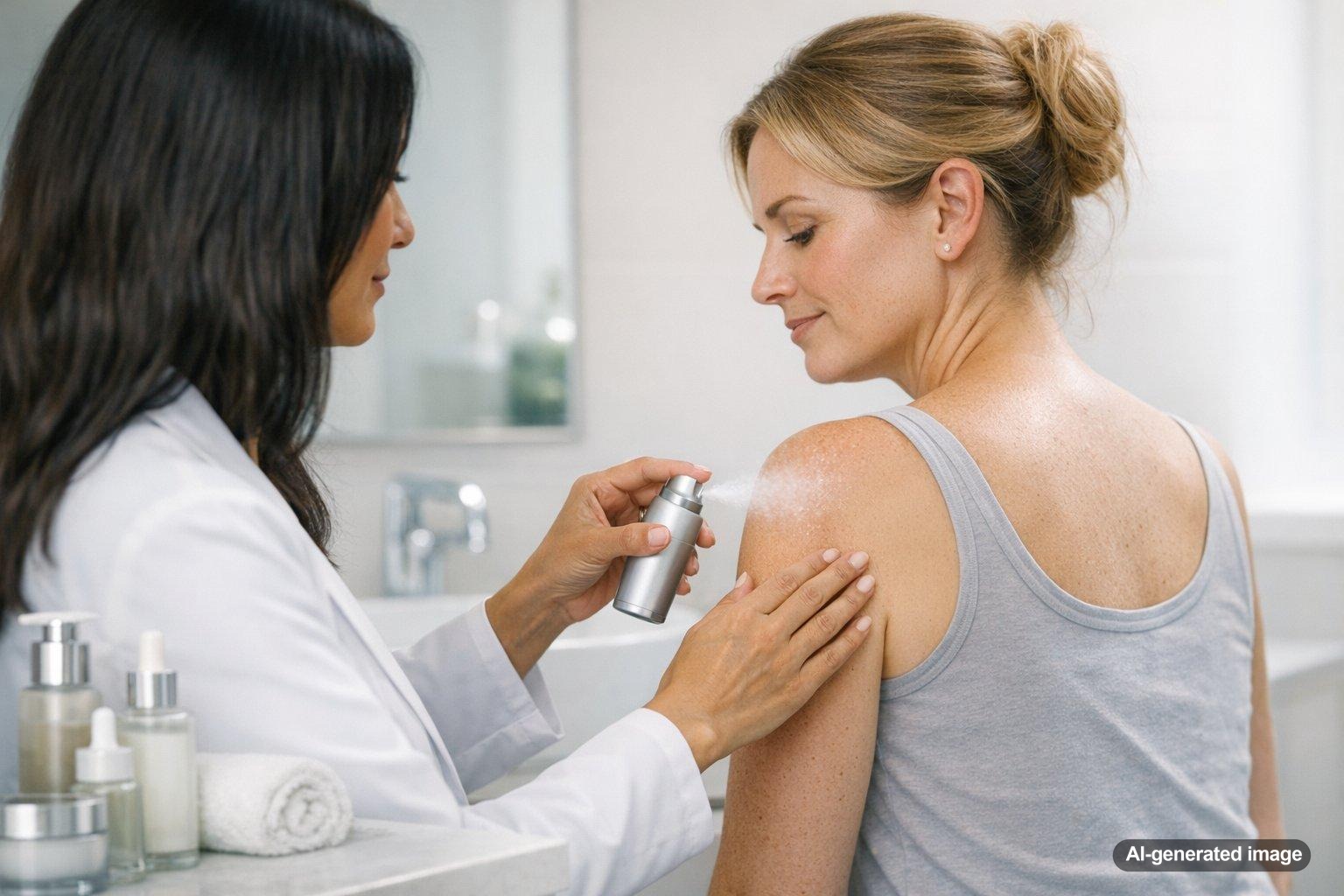
Exercise-related rashes can feel confusing, especially when the same workout that helps you feel strong also leaves your skin itchy, bumpy, red, or irritated. The most common reasons include heat, sweat, friction, blocked sweat ducts, hives triggered by a rise in body temperature, or contact with fabrics, detergents, plants, sunscreen, or equipment.
In Fort Lauderdale’s warm, humid climate, these reactions may be easier to notice during outdoor workouts, beach walks, tennis, golf, running, or travel days when your skin stays damp longer. A dermatologist can help sort out whether the pattern looks like heat rash, exercise-triggered hives, eczema flare, irritation, allergy, infection, or another condition.
Quick answer
- Rashes during or after exercise often happen because sweat, heat, and friction irritate the skin or trap sweat under the surface.
- Some people develop hives when their body temperature rises, a pattern that can be associated with exercise, hot showers, spicy foods, or stress.
- Clothing, detergents, sunscreen, plants, gym mats, and sports gear can also trigger irritation or allergic contact dermatitis.
- Cooling down, changing out of sweaty clothing, showering gently, and using breathable fabrics may help reduce repeat flares.
- Seek care promptly for trouble breathing, lip or tongue swelling, dizziness, widespread hives, fever, pain, pus, or a rash that keeps returning.
What exercise-related rashes can look like
An exercise rash is not one single diagnosis. It is a description of timing: the rash shows up during, right after, or later on the day of physical activity. Some rashes look like tiny prickly bumps. Others look like raised welts, dry irritated patches, chafed areas, or inflamed follicles around hair-bearing skin.
Details matter. Your dermatologist may ask where the rash appears, how quickly it starts, whether it itches or burns, how long it lasts, what you were wearing, whether you were outdoors, and whether anything else happened at the same time, such as wheezing, swelling, nausea, or lightheadedness.
Common causes and triggers
- Heat rash: Sweat may become trapped when sweat ducts are blocked, leading to tiny bumps and a prickly or itchy feeling.
- Cholinergic urticaria: This is a type of heat- or sweat-triggered hives that may appear when body temperature rises during exercise, hot weather, hot showers, stress, or spicy foods.
- Friction and chafing: Repeated rubbing from waistbands, sports bras, seams, socks, helmets, or tight workout clothing can irritate the skin barrier.
- Contact irritation or allergy: Detergent, fragrance, sunscreen, nickel, rubber, adhesives, turf, plants, or gym equipment may trigger a localized rash in some people.
- Eczema or sensitive skin flares: Sweat, heat, and repeated washing can make already sensitive skin feel more reactive.
- Folliculitis or infection: Bumps around hair follicles, tenderness, crusting, pus, or worsening redness may need medical evaluation.
What you can do at home
Start with gentle, practical steps that reduce heat, sweat buildup, and friction. Wear lightweight, breathable workout clothing, avoid overly tight seams when possible, and change out of sweaty clothes soon after exercising. If you are outside, consider exercising during cooler parts of the day or moving indoors when heat and humidity are high.
After a workout, rinse with a gentle cleanser, pat the skin dry, and apply a simple, fragrance-free moisturizer if your skin feels dry or irritated. Avoid scrubbing, harsh exfoliants, heavy occlusive products on rash-prone areas, and trying multiple new products at once. A cool compress may help calm itching or prickling, but avoid ice directly on the skin.
Professional options
If rashes keep returning, a dermatologist can evaluate the pattern and help narrow the cause. Depending on the exam and history, common options may include guidance on trigger avoidance, barrier repair, topical anti-inflammatory treatments, treatment for folliculitis if present, allergy evaluation, or discussion of non-sedating antihistamines for hive-like episodes when appropriate.
For exercise-triggered hives or symptoms that come with swelling, wheezing, nausea, faintness, or throat tightness, professional evaluation is especially important. Your clinician can help determine whether the episode sounds like a skin-limited reaction or something that needs a more urgent safety plan.
When to see a dermatologist
- The rash happens repeatedly with exercise or heat.
- It lasts more than a few days, spreads, or is getting worse.
- You see pus, crusting, significant tenderness, fever, or warmth that may suggest infection.
- The rash is painful, blistering, bruised-looking, or leaves marks.
- You develop hives with dizziness, trouble breathing, throat tightness, nausea, vomiting, or swelling of the lips, tongue, or face.
- You are unsure whether it is heat rash, hives, eczema, contact allergy, or something else.
FAQ
Can sweat itself cause a rash?
Sweat can contribute to rashes by trapping moisture, increasing friction, irritating sensitive skin, or blocking sweat ducts. In some people, the rise in body temperature and sweating can also be associated with hive-like bumps.
Why does my rash only happen in hot weather?
Heat and humidity can make the skin stay damp longer, which may increase sweating, friction, and blocked sweat ducts. Outdoor exercise in warm climates can make these triggers more noticeable.
Are exercise hives the same as heat rash?
Not always. Heat rash often involves tiny prickly bumps from trapped sweat, while hives are raised, itchy welts that can come and go quickly. Because they can look similar at first, recurring or severe episodes are worth discussing with a dermatologist.
Should I stop exercising if I get a rash?
Not automatically. Many mild irritation patterns can improve with cooling strategies, clothing changes, and gentle skin care. Stop activity and seek urgent care if you have trouble breathing, throat tightness, dizziness, widespread hives, or swelling of the lips, tongue, or face.
Can sunscreen or workout clothes be the trigger?
Yes, some rashes are related to contact with products or materials, including fragrance, preservatives, adhesives, rubber, nickel, dyes, or certain fabrics. Keeping a simple log of workouts, products, clothing, and rash timing can be helpful for your visit.
Ready to get help?
Schedule an appointment or send a message and our team will get back to you.
Prefer to call? 954-666-3736
Disclaimer: This article is for educational purposes and is not medical advice. For diagnosis and personalized treatment, please book an appointment with a board-certified dermatologist.
Sources & further reading
- DermNet – Cholinergic urticaria
- Cleveland Clinic – Cholinergic Urticaria
- American Academy of Dermatology (AAD) – 12 summer skin problems you can prevent
