

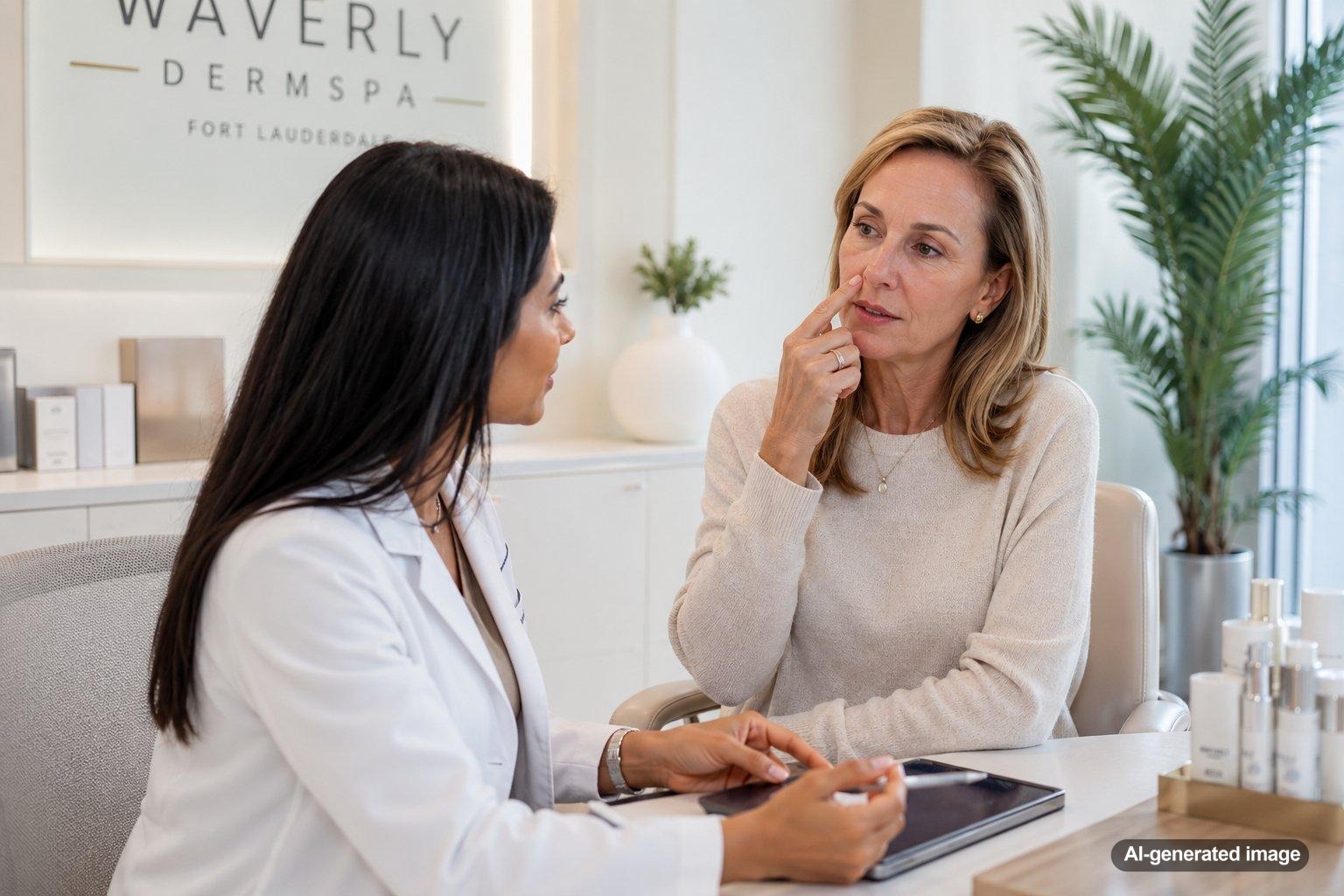
Pimples inside the nose can feel uncomfortable and surprising, especially since this area is sensitive and not always thought of as skin that breaks out. In most cases, these bumps develop when hair follicles inside the nasal opening become irritated or inflamed. This can happen due to bacteria, dryness, friction, or minor trauma such as frequent nose rubbing or picking. Because the inside of the nose contains tiny hair follicles and a moist environment, it can sometimes be more prone to irritation than other facial areas.
While these bumps are often mild and temporary, they can occasionally become more inflamed or tender if bacteria enter the follicle. Understanding what is happening beneath the surface can help you choose gentle care approaches and recognize when professional evaluation may be helpful.
Quick answer
- Often linked to irritation or inflammation of nasal hair follicles
- Bacteria like staph can sometimes contribute to infection
- Dryness or picking the nose may increase risk
- Usually mild, but can become more painful if inflamed
- Persistent or worsening bumps should be evaluated by a dermatologist
What it is
A pimple inside the nose is typically a small inflamed bump that forms when a hair follicle or oil gland becomes irritated. This condition is often related to folliculitis or nasal vestibulitis, which involve inflammation in the hair-bearing area just inside the nostril. Because this region is delicate and exposed to bacteria and environmental factors, it can react quickly to minor changes.
Common causes or triggers
- Bacterial overgrowth in nasal follicles
- Frequent nose picking or rubbing
- Dry nasal passages or irritation
- Ingrown nasal hairs
- Recent colds or nasal inflammation
What you can do at home
Gentle care is important when dealing with sensitivity inside the nose. Keeping the area clean without over-irritating it can help reduce discomfort. Warm compresses may be soothing and can support natural drainage of minor inflammation. Avoid squeezing or picking, as this can worsen irritation and introduce more bacteria.
Maintaining nasal moisture with appropriate saline sprays may also help reduce dryness that can contribute to irritation. If symptoms are mild, they often improve with time and careful attention to hygiene.
Professional options
If bumps become recurrent, painful, or show signs of infection, a dermatologist may evaluate the area and determine if targeted treatment is needed. Depending on the situation, options may include prescription topical therapies or other medical approaches to reduce bacterial overgrowth and inflammation.
When to see a dermatologist
It may be helpful to seek evaluation if you notice increasing pain, swelling, or redness inside the nose, or if the area does not improve after a short period of gentle care. Recurrent bumps or signs of spreading irritation should also be checked to rule out more significant infection.
FAQ
Are pimples inside the nose dangerous?
Most are mild and related to irritation or minor infection. However, persistent or worsening symptoms should be evaluated.
Can I pop a pimple inside my nose?
No. Squeezing can increase irritation and may introduce bacteria, making the area worse.
Why is it so painful?
The inside of the nose has many nerve endings, so even small inflammation can feel more intense.
How long do they last?
Many improve within a few days, but duration can vary depending on the cause and irritation level.
Can allergies cause nose pimples?
Allergies do not directly cause pimples, but frequent rubbing or inflammation may contribute.
What helps prevent them?
Gentle nasal care, avoiding picking, and keeping the area moisturized may help reduce recurrence.
Ready to get help?
Schedule an appointment or send a message and our team will get back to you.
Prefer to call? 954-666-3736
This article is for educational purposes and is not medical advice. For diagnosis and personalized treatment, please book an appointment with a board-certified dermatologist.
Sources & further reading
- Mayo Clinic – Folliculitis: Symptoms and causes
- Cleveland Clinic – Folliculitis
- American Academy of Dermatology (AAD) – Acne
