

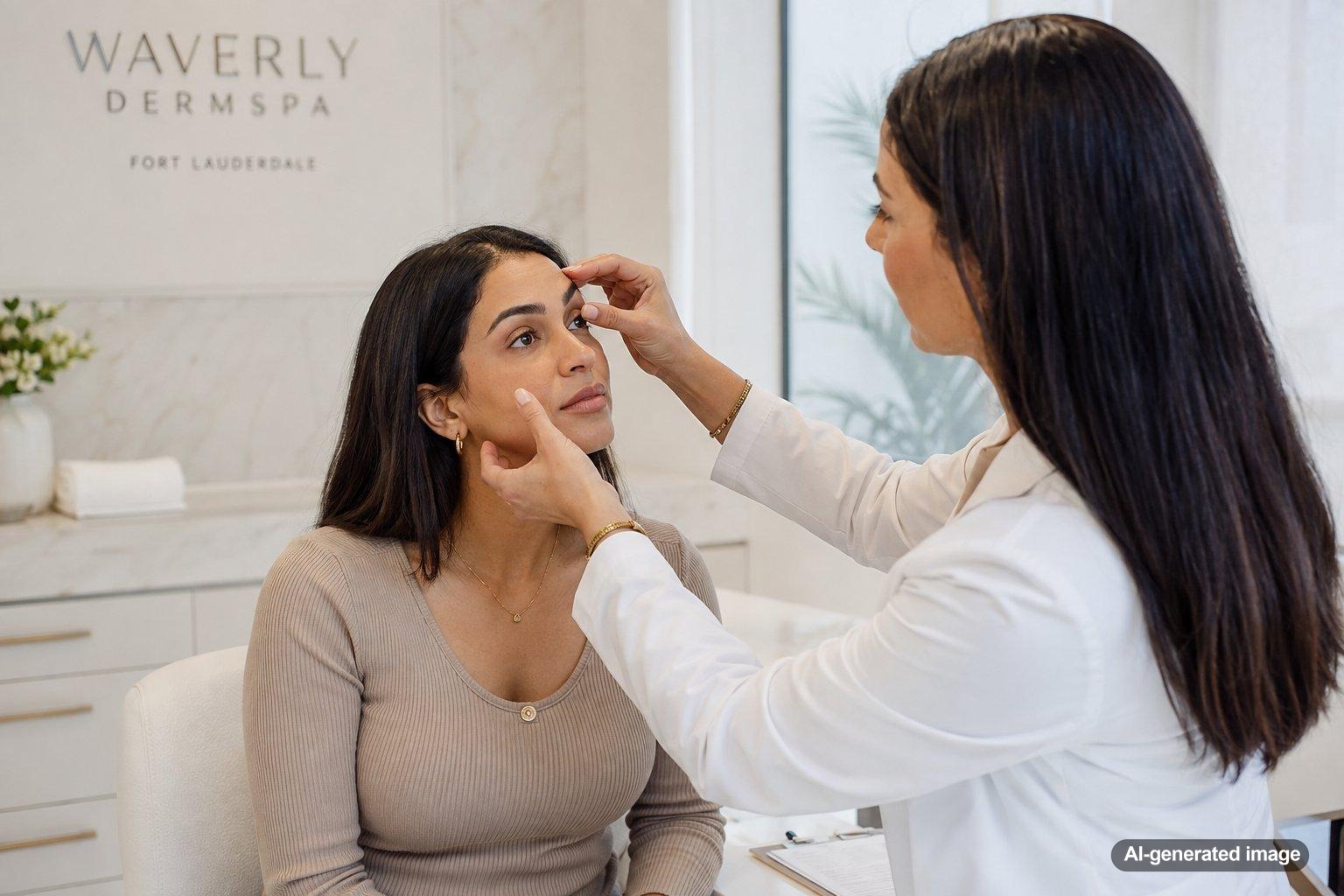
Finding several lashes on your cheek, makeup pad, or pillow can be unsettling, especially when you cannot identify anything that changed. Some eyelash shedding is part of the normal hair cycle, but a noticeable increase in shedding, thinning, or bare areas can have many possible explanations.
Sometimes the issue is as simple as repeated rubbing, irritating cosmetics, or stress on the lashes from extensions or removal. In other cases, eyelid inflammation, a skin condition, an autoimmune form of hair loss, or another health issue may be involved. The pattern of loss and any symptoms around the eyes can provide important clues.
Quick answer
- A small amount of eyelash shedding can occur naturally as individual lashes move through their growth cycle.
- Repeated rubbing, aggressive makeup removal, lash extensions, adhesives, and eyelash curlers can contribute to breakage or mechanical stress.
- Redness, crusting, itching, burning, or flaky skin around the lash line may point to an eyelid or skin issue that deserves evaluation.
- Patchy or significant lash loss can sometimes occur with hair-loss conditions such as alopecia areata or with other underlying medical issues.
- If eyelash loss is persistent, worsening, unexplained, or accompanied by other symptoms, a dermatologist can help determine what may be contributing.
What does eyelash loss mean?
The medical term for loss of eyelashes or eyebrows is madarosis. Eyelash loss can be incomplete or complete and may affect one eye, both eyes, or specific sections of the lash line. It can also occur with or without eyebrow or scalp hair changes.
The most useful question is not simply whether lashes are falling out, but how they are falling out. A dermatologist may look at whether the lashes appear broken or are missing from the follicle, whether the surrounding skin is inflamed, whether loss is patchy or diffuse, and whether hair is thinning elsewhere.
Common reasons eyelashes may fall out
Mechanical stress and repeated rubbing
Lashes are small hairs that can be damaged by repeated pulling and friction. Vigorous eye rubbing, scrubbing off waterproof mascara, repeatedly clamping an eyelash curler in the same spot, or picking at mascara can increase mechanical stress. If the hair shaft breaks, lashes may look shorter or uneven rather than disappearing cleanly from the follicle.
Lash extensions, adhesives, and removal
Extensions add weight to natural eyelashes and typically involve adhesive close to the lash line. Poorly tolerated adhesive, excessive weight, frequent applications, or forceful removal may irritate the eyelid or place additional tension on natural lashes. If you notice thinning after extensions, giving the area a break and avoiding pulling at remaining extensions is a conservative first step.
Cosmetic irritation
Eye makeup, makeup remover, lash glue, skin care products, and other products used close to the eyelids can sometimes cause irritation or an allergic reaction. Clues can include itching, burning, redness, swelling, scaling, or tenderness. Continuing to use a product that irritates the eyelid can also encourage rubbing, which may add to lash breakage or shedding.
Blepharitis and eyelid inflammation
Blepharitis is inflammation along the eyelid margin. It can cause symptoms such as redness, burning, itching, crusting, flaky debris around the eyelashes, dry-eye symptoms, and sometimes loss or abnormal growth of eyelashes. Because several different factors can contribute to blepharitis, persistent lash-line inflammation should be evaluated rather than treated by guessing at the cause.
Alopecia areata
Alopecia areata is an autoimmune disease in which the immune system attacks hair follicles. Although many people associate it with smooth patches of scalp hair loss, it can also affect eyebrows and eyelashes. Lash loss related to alopecia areata may occur on both eyes and can sometimes appear alongside hair loss elsewhere on the body.
Skin conditions around the eyes
Conditions that cause inflammation, scaling, or irritation around the eyelids can sometimes affect the lash area. Rosacea, dermatitis, and other inflammatory skin problems may involve the eyelids in some people. The appearance of the surrounding skin can help a clinician distinguish these possibilities from mechanical lash damage.
Thyroid, nutritional, medication, or systemic factors
Hair changes can occasionally accompany thyroid disorders, significant nutritional problems, certain illnesses, or some medical treatments. These possibilities cannot be identified reliably from eyelash loss alone. If lash shedding begins without an obvious local trigger, especially when accompanied by scalp hair loss, eyebrow thinning, fatigue, skin changes, or other new symptoms, a medical evaluation can help determine whether additional investigation is appropriate.
What can you do at home?
While you are figuring out why your lashes seem thinner, the safest approach is usually to minimize unnecessary stress and irritation around the eye area.
- Be gentle when removing makeup. Avoid pulling, scraping, or repeatedly rubbing the lash line.
- Pause anything that seems irritating. If a new mascara, adhesive, remover, eye cream, or other cosmetic coincided with redness or itching, stop using it until the area settles and you understand the trigger.
- Do not pull off lash extensions. Tugging can remove or damage natural lashes along with the extension.
- Avoid rubbing your eyes. If your eyes are frequently itchy or irritated, consider having the underlying reason evaluated rather than relying on rubbing for relief.
- Keep track of the pattern. Photos taken under similar lighting can make it easier to tell whether loss is progressing and can be useful during an appointment.
- Notice other hair or skin changes. Eyebrow thinning, smooth scalp patches, redness, scaling, crusting, or irritation can provide useful context.
Avoid starting supplements or applying unapproved products around the eyes simply because they are marketed for faster lash growth. The eye area is sensitive, and treatment should match the actual reason for the hair loss.
What professional options may be considered?
Treatment depends on the cause. A dermatologist may examine the lash line, eyelid skin, eyebrows, scalp, and other hair-bearing areas to look for a pattern. Depending on the findings and medical history, additional testing may sometimes be appropriate.
If irritation or inflammation is contributing, management may focus on controlling the underlying eyelid or skin problem. If a hair-loss disorder is suspected, treatment options are selected according to the diagnosis and extent of hair loss. Prescription approaches that can influence eyelash growth may also be considered in appropriate situations, but they are not right for everyone and should be discussed with a qualified clinician.
The important point is that there is no single lash treatment that addresses every cause. Identifying whether the issue is breakage, inflammation, autoimmune hair loss, another medical factor, or a combination of factors helps guide a more appropriate plan.
When should you see a dermatologist?
It is worth scheduling an evaluation if the loss is unexplained, continues despite gentler lash care, or is becoming more noticeable. You should also consider professional evaluation when:
- You develop distinct gaps or patches in your eyelashes.
- Your eyebrows or scalp hair are thinning at the same time.
- Your eyelids are persistently red, swollen, itchy, painful, crusted, or scaly.
- You notice smooth areas of hair loss elsewhere on your body.
- The change started after a new medication or medical treatment.
- The eyelid skin appears scarred or significantly changed.
- You have eye pain, vision changes, significant swelling, or other concerning eye symptoms.
A dermatologist can evaluate the hair and surrounding skin, while significant eye symptoms may also require assessment by an eye-care professional.
Frequently asked questions
Is it normal for a few eyelashes to fall out?
Yes. Individual eyelashes naturally move through growth and shedding phases, so occasionally seeing a lash fall out does not necessarily indicate a problem. A noticeable increase in shedding, persistent thinning, or visible gaps deserves more attention.
Can mascara make eyelashes fall out?
Mascara itself does not automatically cause lash loss, but irritation, aggressive removal, pulling at dried mascara, or repeatedly using products that bother the eyelids may contribute to breakage or shedding. Gentler application and removal can reduce unnecessary mechanical stress.
Can lash extensions damage natural lashes?
They can contribute to stress or irritation in some circumstances, particularly if extensions are heavy, adhesive irritates the skin, applications are frequent, or extensions are pulled off rather than removed carefully. If thinning seems connected to extensions, consider pausing them while the cause is evaluated.
Can stress make eyelashes fall out?
Physical or emotional stress can be associated with some forms of hair shedding, but eyelash loss should not automatically be attributed to stress. When the change is substantial or persistent, it is useful to consider local eyelid problems and other possible causes as well.
Will my eyelashes grow back?
Whether lashes regrow depends on why they were lost and whether the follicles remain healthy. Some forms of non-scarring eyelash loss can improve once the underlying trigger is addressed. Scarring or significant follicle damage may have a different outlook, which is one reason persistent loss is worth evaluating.
Should I use a lash growth serum?
Do not assume that a growth serum is the right answer until you know what is causing the thinning. Some cosmetic products may irritate sensitive eyelids, and prescription lash-growth treatments have their own considerations. A dermatologist can help you decide whether a particular approach may be appropriate.
Ready to get help?
Schedule an appointment or send a message and our team will get back to you.
Prefer to call? 954-666-3736
This article is for educational purposes and is not medical advice. For diagnosis and personalized treatment, please book an appointment with a board-certified dermatologist.
Sources & further reading
- DermNet – Madarosis
- American Academy of Dermatology (AAD) – Hair loss types: Alopecia areata causes
- Cleveland Clinic – Blepharitis (Eyelid Inflammation): Causes & Treatment
