

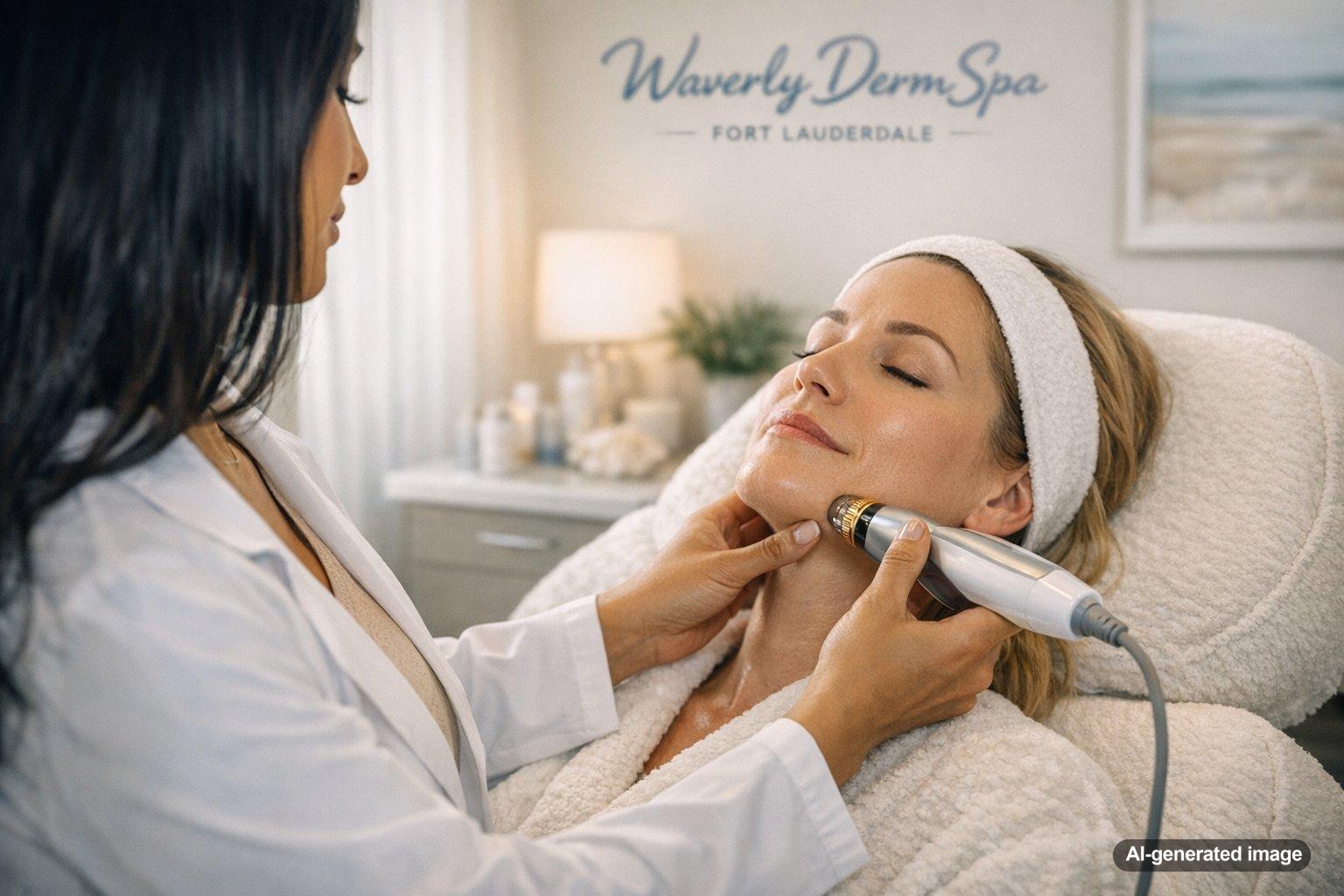
If your skin feels a little less firm than it used to, but you are not looking for an aggressive treatment or a long recovery, Vivace may be worth learning about. This in-office treatment combines microneedling with radiofrequency energy in a way that can support smoother texture, a more refined look, and gradual improvement in skin tightness.
Many people like Vivace because it fits into real life. It is often chosen by patients who want a polished, natural-looking refresh without making their routine feel complicated. In a place like Fort Lauderdale, where sun exposure, travel, and social schedules are part of daily life, that balance can feel especially appealing.
Quick answer
- Vivace combines microneedling and radiofrequency energy in one treatment.
- It may help improve the look of skin texture, fine lines, and mild skin laxity.
- Many people choose it because downtime is typically limited compared with more aggressive resurfacing options.
- Comfort can vary from person to person, so a consultation helps set realistic expectations.
- Results and treatment plans are individualized, and your clinician can help you decide what makes sense for your skin.
What it is
Vivace is a form of radiofrequency microneedling. Very small needles create controlled micro-injuries in the skin while radiofrequency energy is delivered beneath the surface. In plain English, that means the treatment is designed to stimulate the skin’s natural repair response while also delivering heat at a precise depth. The goal is not to change how you look overnight, but to support a smoother, firmer, more refreshed appearance over time.
Because the treatment works below the surface while also creating tiny channels in the skin, it is often discussed for concerns like texture, early laxity, and the look of enlarged pores. It is also commonly chosen by people who want a treatment that feels more advanced than traditional microneedling alone.
Common causes or triggers
- Natural collagen loss that comes with time
- Sun exposure that can make skin look less firm and even
- Changes in texture from acne scarring or enlarged-looking pores
- Mild skin laxity around the cheeks, jawline, or lower face
- A desire for improvement without a more intensive procedure
What you can do at home
At-home care will not replicate what radiofrequency microneedling does in the office, but it can support healthier-looking skin overall. A simple routine with gentle cleansing, moisturizer, and daily sunscreen can make a meaningful difference in how skin looks and feels over time.
It also helps to avoid overusing strong exfoliants or too many active products at once, especially if your skin already feels dry or reactive. If you are considering Vivace, keeping your routine steady and uncomplicated before your visit can make it easier to discuss what your skin actually needs.
Professional options
Professional options for skin tightening and texture concerns can include radiofrequency microneedling, traditional microneedling, laser-based treatments, chemical peels, or other device-based approaches. The best fit depends on the concern being treated, your skin goals, your comfort level with downtime, and how aggressive you want to be.
Vivace is often part of that conversation because it can address more than one concern at once. Some people are focused on early laxity, while others are more bothered by texture or the look of pores. A dermatologist or experienced clinician can evaluate your skin, review your history, and explain whether this approach or another option may be more appropriate.
When to see a dermatologist
- If you are not sure whether your concern is cosmetic or medical
- If you have active acne, a rash, irritation, or a skin infection
- If you are prone to unusual scarring or pigment changes after procedures
- If your skin has become suddenly more sensitive or reactive
- If you want a personalized plan instead of guessing between treatments
FAQ
Does Vivace hurt?
Comfort is subjective, and experiences vary. Many patients find it manageable, especially when comfort measures are used, but it is better to think of it as a treatment that aims to be more comfortable rather than assuming the same experience for everyone.
How many treatments do people usually get?
That depends on your goals, skin condition, and how your skin responds. Some people want a simple refresh, while others are looking for a series as part of a broader treatment plan.
Is there downtime after Vivace?
Many people notice temporary redness or mild sensitivity afterward, but recovery looks different from person to person. Your clinician can explain what is typical and how to care for your skin after treatment.
Can Vivace help with acne scars or pores?
It may help improve the appearance of texture-related concerns such as acne scars and enlarged-looking pores, but results are variable. A consultation is the best way to understand whether it matches your goals.
Who is a good candidate for Vivace?
In general, it is often considered by people who want improvement in texture and mild skin laxity with limited downtime. The right treatment depends on your skin type, medical history, and priorities.
At Waverly DermSpa, we offer Vivace and can help you understand whether it may be appropriate.
Ready to get help?
Schedule an appointment or send a message and our team will get back to you.
Prefer to call? 954-666-3736
This article is for educational purposes and is not medical advice. For diagnosis and personalized treatment, please book an appointment with a board-certified dermatologist.
