

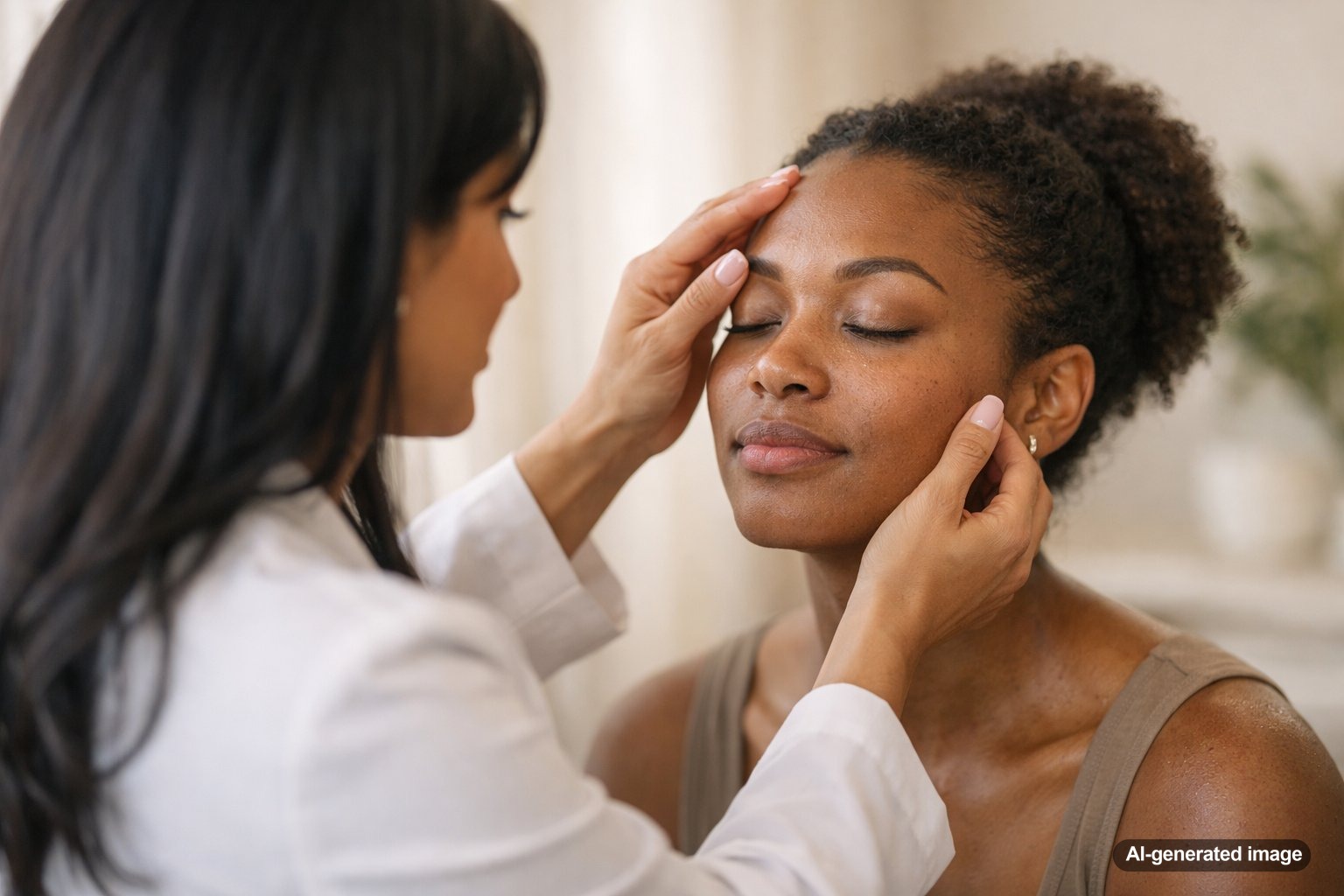
Photodamage and uneven texture are common concerns, especially in sunny climates where cumulative UV exposure can show up as roughness, dullness, fine lines, discoloration, or a skin surface that no longer feels as smooth as it once did. The good news is that treatment usually does not come down to one single procedure. Instead, improvement often comes from choosing the right category of care based on your skin goals, tolerance, downtime preferences, and overall skin health.
In practical terms, treatment categories for photodamage and texture usually include daily skincare, in-office exfoliation, collagen-stimulating treatments, energy-based resurfacing, and a maintenance plan that supports results over time. A thoughtful approach is usually more helpful than chasing a quick fix.
Quick answer
- Common categories include daily topical skincare, chemical peels, microneedling, laser or light-based treatments, and maintenance care.
- The best category often depends on whether your main concern is roughness, discoloration, fine lines, or a combination of changes.
- Many people benefit from a layered approach rather than relying on one treatment alone.
- Sun protection is a core part of any plan for photodamage.
- A dermatologist or experienced skin professional can help match the category to your skin type and goals.
What photodamage and texture changes can look like
Photodamage is the visible effect of chronic sun exposure over time. It can be associated with uneven pigmentation, a rough or crepey feel, fine lines, and a general loss of brightness. Texture concerns can also include enlarged-looking pores, shallow acne marks, or a skin surface that feels less refined. While these changes are common, the right treatment path depends on what is driving the look and feel of the skin.
Common causes or triggers
- Long-term sun exposure and inconsistent sunscreen use
- Natural collagen loss with age
- Prior acne or inflammation
- Dryness and a weakened skin barrier
- Smoking or other lifestyle factors that affect skin quality
- Using products that are too harsh or not well matched to your skin
1. Daily topical skincare
This category is often the foundation of any plan. Thoughtfully chosen home care can help support smoother-looking skin, improve the feel of dryness or roughness, and maintain results from in-office procedures. Common product categories may include gentle cleansers, moisturizers, antioxidants, retinoid-based products, pigment-supporting ingredients, and sunscreen.
This route is usually best viewed as steady, supportive care rather than a dramatic one-step change. It is also one of the most important categories for maintaining progress after procedures.
2. Chemical peels
Chemical peels are a broad category of controlled exfoliation treatments performed at different strengths. They may help improve dullness, superficial unevenness, and the look of discoloration associated with sun exposure. Some peels are lighter and designed for minimal downtime, while others are more intensive and may require a longer recovery period.
The right peel depends on skin tone, sensitivity, goals, and the kind of texture change being treated. A professional evaluation can help determine whether this category makes sense on its own or as part of a series.
3. Microneedling and other collagen-stimulating treatments
This category focuses on encouraging the skin’s natural repair response. Microneedling and related collagen-stimulating options are often considered when texture concerns include fine lines, mild unevenness, or early signs of skin quality changes. These treatments do not work like a peel or a laser, but they may help support smoother, firmer-looking skin over time.
Many people like this category because it can fit into a broader long-term strategy for skin quality, especially when texture is a bigger concern than surface discoloration alone.
4. Laser and energy-based resurfacing
Laser and other energy-based treatments are often considered when photodamage and texture changes are more established or when someone wants a more procedure-focused option. This category can target issues such as roughness, tone irregularity, fine lines, and overall skin refinement. Different devices work in different ways, so treatment selection matters.
Some approaches focus more on downtime and resurfacing, while others aim for a gentler refresh. The right choice depends on your skin type, goals, schedule, and how aggressive or conservative you want to be.
5. Combination treatment plans
Because photodamage and texture often involve more than one issue at the same time, combination plans are common. For example, someone may use home skincare for daily support, add a series of peels or microneedling sessions, and consider a laser treatment when appropriate. This category is less about doing everything at once and more about sequencing care in a way that is realistic and well tolerated.
A combination plan can also help address both how the skin looks and how it behaves over time, which is often more useful than focusing on one isolated concern.
What you can do at home
- Use a broad-spectrum sunscreen consistently and reapply when needed.
- Keep your routine simple if your skin is feeling irritated or dry.
- Moisturize regularly to support the skin barrier and improve the feel of roughness.
- Avoid over-exfoliating with too many strong products at once.
- Introduce active products gradually rather than all at once.
Professional options and how to think about them
In-office care is usually most helpful when home care alone is not getting you where you want to go. In general, lighter texture changes may respond well to conservative options, while more noticeable photodamage or roughness may call for more advanced treatments. There is rarely one universal best category for everyone. Your clinician can help you decide which level of treatment matches your skin and comfort level.
When to see a dermatologist
It is worth scheduling an evaluation if texture changes are accompanied by persistent redness, irritation, bleeding spots, rapidly changing lesions, or patches that do not heal. It is also a good idea to seek professional guidance if you are not sure whether you are dealing with simple sun damage, post-acne changes, or another skin issue that needs a different approach.
FAQ
Can one treatment category fix everything?
Usually not. Many people do best with a combination of maintenance skincare and one or more in-office categories based on their main concerns.
Are stronger treatments always better for texture?
Not necessarily. The best option depends on your skin type, goals, tolerance for downtime, and whether the main issue is roughness, pigment, fine lines, or all three.
Is sunscreen really part of treatment?
Yes. Sun protection is a core part of any photodamage plan because it helps reduce ongoing exposure that can make texture and discoloration more noticeable over time.
How do I know whether I need a peel, microneedling, or laser treatment?
The answer depends on the kind of change you are noticing and how intensive you want treatment to be. An in-person evaluation can help narrow the category that fits best.
At Waverly DermSpa, we offer Tetra CoolPeel CO2 and can help you understand whether it may be appropriate.
Ready to get help?
Schedule an appointment or send a message and our team will get back to you.
Prefer to call? 954-666-3736
This article is for educational purposes and is not medical advice. For diagnosis and personalized treatment, please book an appointment with a board-certified dermatologist.
