

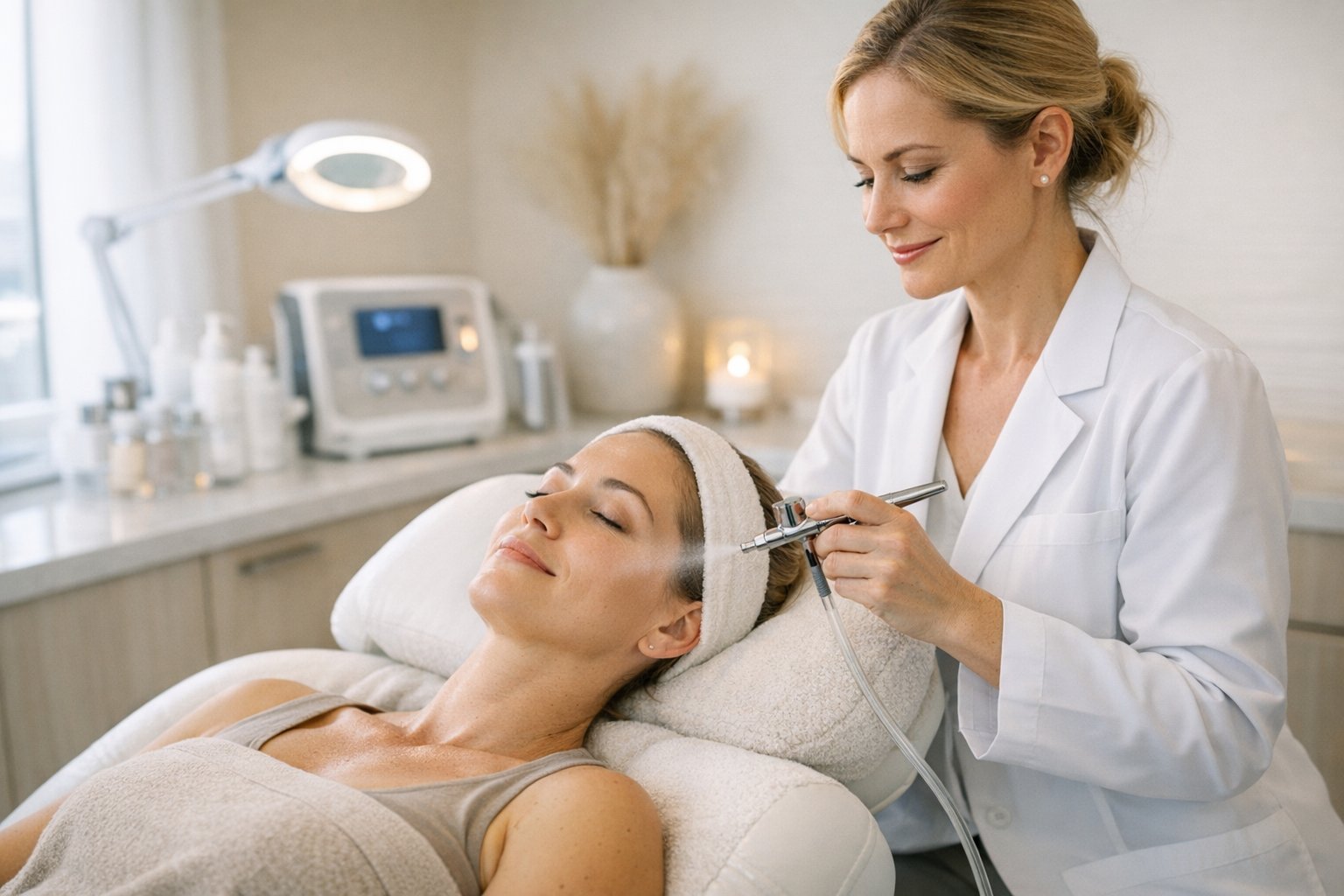
Oxygen facials are often described as a quick way to make skin look brighter and more “awake.” The reality is more grounded: they can be a pleasant, temporary refresh, but they are not a shortcut to long-term skin change.
Quick answer
- An oxygen facial may temporarily boost the look of hydration and radiance, especially before an event.
- Results vary, and the “glow” is usually short-lived because it primarily reflects surface-level hydration and smoothing.
- The benefits often come from the full facial (cleansing, gentle exfoliation, calming serums), not oxygen alone.
- If you have persistent acne, rosacea flares, or irritation, it’s worth getting a plan tailored to your skin.
What it is (plain English)
An oxygen facial is a facial treatment that uses a device to deliver a stream of air (sometimes labeled as oxygen) along with a serum or mist to the skin’s surface. Depending on the spa, it may be paired with cleansing, exfoliation, massage, masks, and finishing products. Think of it as a supportive “polish” that can help skin look smoother and more hydrated for a short window of time.
One important nuance: the skin’s deeper layers receive oxygen through circulation, not by absorbing oxygen through the surface. That’s why a topical oxygen step is best viewed as a comfort-and-finish step rather than a deep corrective treatment.
Common causes/triggers
- Dehydration: Travel, air conditioning, heaters, and not enough water intake can make skin look dull and tight.
- Barrier stress: Over-exfoliation, harsh cleansers, or new actives can leave skin feeling reactive and uneven.
- Sun exposure: Even mild sun stress can make texture and uneven tone look more noticeable.
- High-demand weeks: Stress and poor sleep may show up as puffiness or a tired-looking complexion.
- Seasonal shifts: Humidity swings (including snowbird travel) can change how skin holds water.
- Event timing: People often schedule these before photos or occasions because the finish can be flattering.
What you can do at home
If your goal is that calm, hydrated look oxygen facials are known for, your daily routine can often get you most of the way there with consistency and fewer variables.
- Focus on barrier basics: Use a gentle cleanser and a moisturizer that feels comfortable (not tight) after rinsing.
- Hydrate strategically: A simple hyaluronic acid serum can help support surface hydration when layered under moisturizer.
- Be careful with exfoliation: If you exfoliate, keep it mild and infrequent. Overdoing it is a common reason skin looks red or “shiny but irritated.”
- Don’t skip daily sunscreen: A cosmetically elegant sunscreen helps protect the look of tone and texture over time.
- Patch test new products: If you’re sensitive or reactive, introduce one new item at a time and watch how your skin responds.
If you’re trying to look especially fresh for a specific day, keep your routine simple in the 48-72 hours beforehand. Many people notice their skin behaves best when they avoid last-minute experimentation.
Professional options
In-office treatments can be helpful when you want a more guided approach, or when you’re trying to address something persistent (like ongoing breakouts, redness, or uneven tone). Options vary based on skin type, sensitivity, and goals, and a clinician can help you choose what fits.
- Hydration-focused facials: These may include calming masks, gentle exfoliation, and serum infusion for a smoother look.
- Hydrafacial-style treatments: Often combine cleansing, mild exfoliation, and hydration in a structured way.
- Chemical peels (light to medium): Can support tone and texture over a series, with downtime varying by peel type.
- Microneedling: A collagen-supporting option that may help with texture and the look of pores, with results varying by person and plan.
- Targeted laser and energy devices: May be considered for redness, sun-related changes, or texture depending on your skin and timing.
At Waverly DermSpa, treatments can be selected with a science-forward lens and a minimalist plan – enough to move the needle, without piling on steps that don’t serve your skin.
When to see a dermatologist
Facials are great for maintenance and comfort, but they’re not a substitute for medical evaluation when something is persistent or changing. Consider a dermatology visit if you notice any of the following:
- New or worsening acne that doesn’t settle with a simple routine
- Ongoing redness, burning, or stinging (especially if products suddenly feel irritating)
- Rashes, scaling, or patches that keep returning
- Dark spots or discoloration that seems to spread or change
- Any spot that changes in color, shape, size, or starts bleeding
- Eye-area swelling, hives, or signs of a significant reaction after a product or treatment
A board-certified dermatologist can evaluate what’s driving the issue and help you choose an approach that fits your skin and your schedule.
FAQ
Do oxygen facials actually put oxygen into the skin?
They apply a stream of air (sometimes marketed as oxygen) and often a serum to the skin’s surface. The refreshed look is usually tied to hydration, gentle exfoliation, and how the finishing products sit on the skin – not deep oxygen delivery.
How long do results last?
Many people notice a short-term glow that can last through the day or into the next, but it varies widely. Your baseline hydration, sensitivity, and routine all influence how long the finish looks noticeable.
Are oxygen facials good for sensitive skin?
They can be, especially when the treatment is gentle and focused on calming and hydration. The more important factor is the product selection and how your skin reacts to exfoliation, fragrance, or certain actives. If you re reactive, ask for a minimalist approach.
Can an oxygen facial help acne?
It may temporarily improve how skin looks, but it typically isn’t a core acne treatment. If breakouts are frequent or inflammatory, a dermatologist can help you build a plan that targets the underlying drivers.
What should I avoid right before an oxygen facial?
If you re prone to irritation, consider avoiding aggressive exfoliation or introducing new products right beforehand. Keeping your routine steady often helps your skin respond more predictably.
Ready to get help?
Schedule an appointment or send a message and our team will get back to you.
Prefer to call? 954-666-3736
Disclaimer
This article is for educational purposes and is not medical advice. For diagnosis and personalized treatment, please book an appointment with a board-certified dermatologist.
