

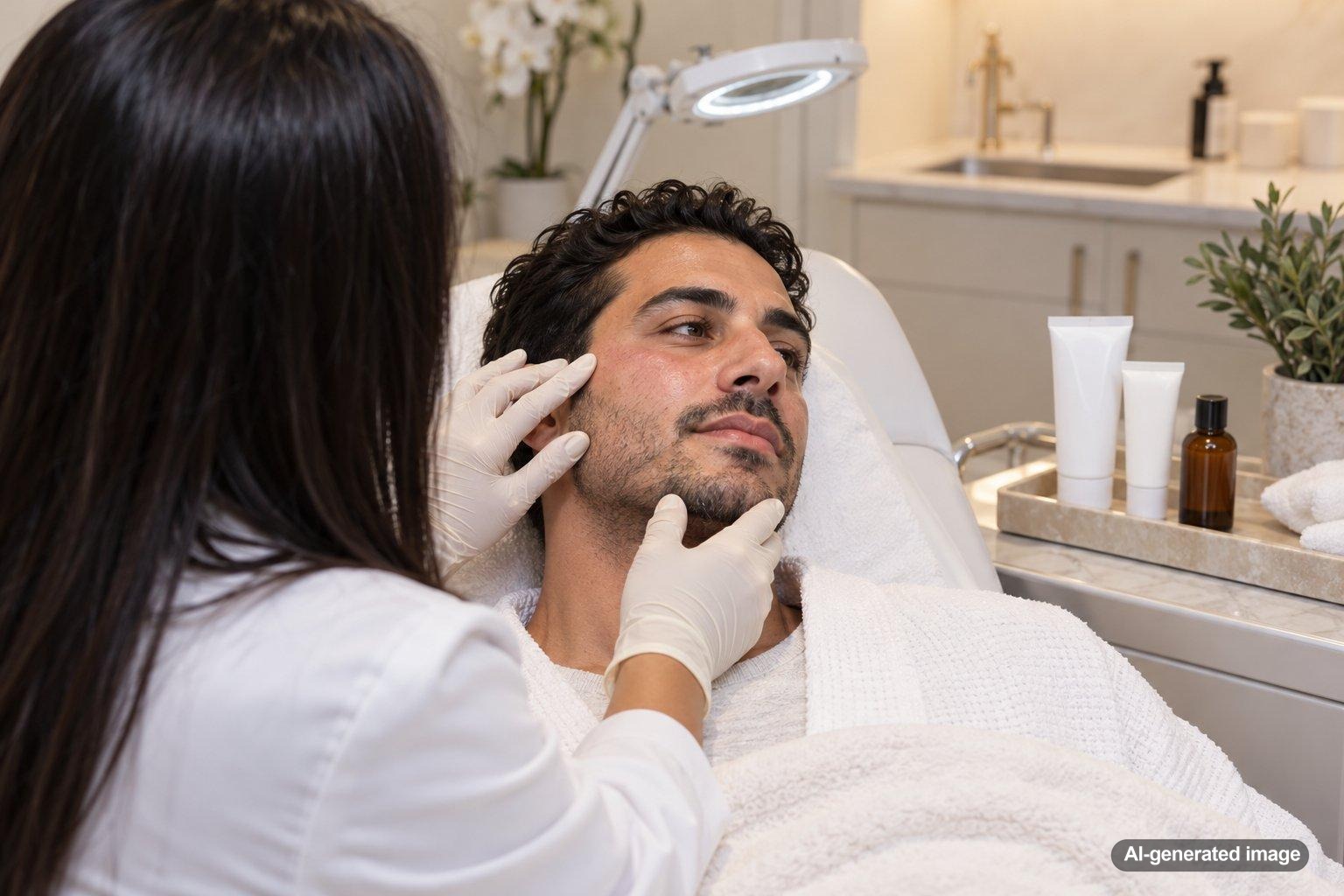
Retinoids can be valuable additions to a skincare routine, but timing matters after microneedling. If you normally use retinol, tretinoin, adapalene, or another vitamin A derivative, you may wonder when it is safe to resume your usual products without irritating freshly treated skin.
As a general precaution, many clinicians recommend avoiding topical retinoids for approximately 5 to 7 days after microneedling, although some people need a shorter or longer break. There is no universally established restart day. The appropriate timing depends on treatment intensity, your skin’s response, the specific retinoid, and the instructions from your treating clinician. The most important consideration is whether your skin has recovered sufficiently to tolerate an active ingredient again.
Quick Answer: When Can You Restart Retinoids After Microneedling?
- A common precautionary window is 5 to 7 days. This is a general aftercare approach, not a medically established deadline that applies to everyone.
- Follow your treatment provider’s instructions first. Deeper treatments, radiofrequency microneedling, or significant irritation may require a different recovery schedule.
- Wait for visible irritation to settle. Persistent redness, tenderness, peeling, burning, or unusual sensitivity are reasons to delay restarting.
- Prescription retinoids deserve additional consideration. Ask your prescribing dermatologist when to resume tretinoin, tazarotene, or other prescribed treatments.
- Restart conservatively. Once your clinician clears you, a gradual return may be more comfortable than immediately resuming your previous frequency.
Why Should You Avoid Retinoids After Microneedling?
Microneedling uses fine needles to create controlled microscopic injuries in the skin. This process initiates a repair response that can support collagen remodeling over time. Immediately after treatment, the skin may be red, warm, tight, or more reactive than usual.
Although the microscopic channels created during treatment begin closing relatively quickly, visible recovery and restoration of comfortable skin function can take longer. Temporary inflammation, dryness, and sensitivity may continue for several days, particularly after more intensive procedures.
Retinoids work by influencing skin cell behavior and turnover. They are frequently used to manage acne, uneven texture, pigmentation concerns, and visible signs of photoaging. However, they can also cause dryness, peeling, stinging, and irritation, even on skin that has not recently undergone a procedure.
Applying a retinoid before the treated skin has sufficiently recovered may intensify discomfort or prolong irritation. Temporarily simplifying your routine allows the skin to recover without introducing an ingredient that may be difficult to tolerate during this period.
Does the Type of Retinoid Affect How Long You Should Wait?
Not all retinoid products have the same formulation, concentration, or irritation potential. Your dermatologist may consider these differences when recommending a restart schedule.
Over-the-Counter Retinol
Retinol is commonly found in cosmetic serums and nighttime moisturizers. While some formulations are designed for sensitive skin, others contain relatively high concentrations or additional exfoliating ingredients. A familiar product can still sting when applied to recently treated skin.
Even if you normally tolerate retinol well, it is sensible to wait until the treatment area feels comfortable and your clinician has approved restarting it.
Prescription Tretinoin
Tretinoin is a prescription retinoid used for acne and certain photoaging concerns. It can cause dryness, peeling, and irritation, especially when used frequently or at higher strengths.
Because tretinoin can be particularly irritating, your prescribing dermatologist should guide when and how to resume it after microneedling. Do not assume that a schedule intended for a low-strength cosmetic retinol product is appropriate for prescription tretinoin.
Adapalene, Tazarotene, and Other Retinoids
Adapalene, tazarotene, and other topical retinoids also warrant a temporary pause when directed by the treating clinician. Their irritation profiles and intended uses differ, and combination products may contain other active ingredients that influence aftercare decisions.
If your retinoid is prescribed to control a medical skin condition, discuss treatment interruptions with your dermatologist rather than making prolonged changes independently.
What Determines How Quickly Your Skin Can Tolerate Retinoids Again?
Recovery is individual. Several factors can influence how long your clinician recommends avoiding active skincare ingredients.
- Treatment depth: More intensive microneedling may produce greater redness and a longer period of sensitivity.
- Treatment technology: Conventional microneedling and radiofrequency microneedling use different mechanisms and may have different aftercare requirements.
- Baseline sensitivity: Skin that is already dry, reactive, or prone to irritation may need additional recovery time.
- Retinoid strength and formulation: Concentrated products, alcohol-based gels, and combination treatments may be less comfortable during recovery.
- Additional procedures: If microneedling is combined with another treatment, the recommended skincare restrictions may change.
- Current skin condition: Active inflammation, peeling, or impaired skin barrier function may justify postponing potentially irritating products.
These factors explain why two patients receiving microneedling on the same day may receive different instructions about restarting their skincare routines.
What Should Your Skin Look and Feel Like Before Restarting Retinol?
The calendar provides a useful reference, but the condition of your skin is equally important. Before discussing a return to retinoids, look for signs that the initial recovery period has progressed comfortably.
These may include:
- Redness has largely returned to your usual baseline.
- The skin no longer feels unusually warm, tender, or tight.
- Visible peeling and flaking have settled.
- Gentle cleansing and moisturizer application do not cause significant stinging.
- There are no areas of broken skin, crusting, or unexpected irritation.
These observations do not independently establish that a retinoid is safe to restart. They are practical clues to discuss with your treatment provider. If your clinician recommends a longer waiting period, follow that guidance even if your skin appears normal sooner.
What Skincare Products Can You Use While Retinoids Are on Hold?
Microneedling recovery is generally a time for a minimal, supportive routine rather than an elaborate collection of active ingredients. Follow the instructions provided after your procedure, particularly during the first 24 to 48 hours when product restrictions may be more specific.
Use a Gentle Cleanser When Cleansing Is Permitted
Once your provider says cleansing is appropriate, choose a mild, non-exfoliating cleanser. Avoid cleansing brushes, scrubs, and aggressive rubbing. Pat the skin dry with a clean, soft towel instead of creating unnecessary friction.
Keep Moisturizing Simple
A bland, fragrance-free moisturizer approved by your clinician may help relieve temporary dryness and tightness. Products focused on basic hydration are generally preferable to complicated formulas containing multiple active ingredients.
Do not assume that every hydrating serum is suitable immediately after microneedling. Certain products contain fragrance, acids, or other ingredients that may irritate freshly treated skin.
Protect Your Skin From Sun Exposure
Sun protection is especially important while the skin is recovering. Follow your provider’s instructions regarding when sunscreen can first be applied, and use a broad-spectrum SPF 30 or higher when appropriate. Shade, hats, and minimizing direct sun exposure are also useful precautions.
For patients in Fort Lauderdale, outdoor dining, boating, beach visits, and everyday time in bright sunlight can make sun protection a significant part of recovery planning.
Temporarily Set Aside Other Irritating Actives
Your clinician may also recommend pausing exfoliating acids, abrasive scrubs, benzoyl peroxide, and certain concentrated treatment serums. The goal is not to permanently eliminate effective ingredients, but to avoid unnecessary irritation while the skin heals.
How Should You Reintroduce Retinoids After Microneedling?
Once your treatment provider confirms that your skin is ready, a gradual restart may help you assess tolerance.
For a nonprescription retinol product, your clinician may suggest beginning with less frequent applications rather than immediately returning to nightly use. Apply only to the intended area, follow product directions, and avoid combining it with exfoliating treatments unless specifically approved.
If the product causes noticeable burning, persistent redness, or worsening peeling, stop using it and contact your clinician for guidance. Do not attempt to push through significant irritation in the hope of improving results.
For prescription retinoids, follow your dermatologist’s specific instructions concerning the concentration, application frequency, and timing. Your usual treatment plan may need temporary adjustments after a procedure.
Does Microneedling With SkinPen Change the Waiting Period?
SkinPen is a professional microneedling device used for certain skin concerns. As with other microneedling procedures, the recommended time away from retinoids depends on the treatment performed and the patient’s recovery.
Device-specific post-procedure instructions and your clinician’s recommendations take priority over generalized skincare timelines. Do not assume that retinoids can be restarted simply because the most noticeable redness has disappeared.
At Waverly DermSpa, we offer SkinPen and can help you understand whether it may be appropriate.
When Should You Contact a Dermatologist After Microneedling?
Temporary redness, mild swelling, dryness, and sensitivity can occur following microneedling. These reactions often improve as the skin recovers, although their duration varies.
Contact your treatment provider if discomfort is intensifying rather than improving, redness spreads or becomes increasingly painful, or the skin develops unusual swelling, drainage, blistering, or persistent crusting. Fever or other systemic symptoms should prompt timely medical evaluation.
A dermatologist can assess whether symptoms reflect expected recovery, irritation from a product, or a complication requiring attention.
It is also worth seeking individualized guidance before restarting retinoids if you have a history of significant post-procedure irritation, are using prescription acne medication, or have recently undergone multiple aesthetic treatments.
Frequently Asked Questions
Can I use retinol three days after microneedling?
Three days may be too soon for some patients, especially if redness, tenderness, or peeling remains. Many clinicians recommend a precautionary break of approximately 5 to 7 days, but the correct schedule is individualized. Follow your treatment provider’s instructions rather than restarting based on the number of days alone.
Should I wait a full week before restarting tretinoin?
A week is a commonly used precautionary interval, but it is not a universal requirement or proof that the skin has recovered. Prescription tretinoin may require a different schedule depending on treatment intensity, skin sensitivity, and the reason it was prescribed. Confirm timing with your dermatologist.
What happens if I accidentally apply retinol too soon?
Early application may lead to stinging, redness, dryness, or increased irritation, although an adverse reaction is not inevitable. Avoid applying additional potentially irritating products and contact your treatment provider for individualized instructions. Seek prompt evaluation if you develop severe or worsening symptoms.
Can I use hyaluronic acid while waiting to restart retinoids?
Some simple hyaluronic acid moisturizers may be appropriate during recovery, but not every serum is suitable immediately after treatment. Formulas can contain additional active ingredients or preservatives that cause irritation. Use only products approved for your specific post-procedure routine.
Do I need to stop retinoids before microneedling too?
Many treatment providers recommend temporarily pausing topical retinoids before microneedling as well. The timing varies with product strength, skin sensitivity, and the planned procedure. Ask your clinician for pre-treatment instructions rather than selecting a stopping date independently.
Will taking a short break from retinol ruin my skincare progress?
A brief, clinician-directed interruption is generally not expected to erase the longer-term benefits of a consistent skincare routine. Supporting recovery is more important than maintaining an uninterrupted application schedule. Your dermatologist can help you resume treatment appropriately.
The Bottom Line
For many patients, avoiding retinoids for approximately 5 to 7 days after microneedling is a reasonable general precaution, but the appropriate interval is not identical for everyone. Treatment intensity, the condition of your skin barrier, the specific retinoid, and individualized aftercare instructions all matter.
Wait for irritation to settle, keep your recovery routine gentle, and ask your clinician before restarting prescription-strength products. A careful return to your normal skincare routine can help minimize avoidable irritation while respecting the skin’s recovery process.
Ready to get help?
Schedule an appointment or send a message and our team will get back to you.
Prefer to call? 954-666-3736
Medical Disclaimer
This article is for educational purposes and is not medical advice. For diagnosis and personalized treatment, please book an appointment with a board-certified dermatologist.
