

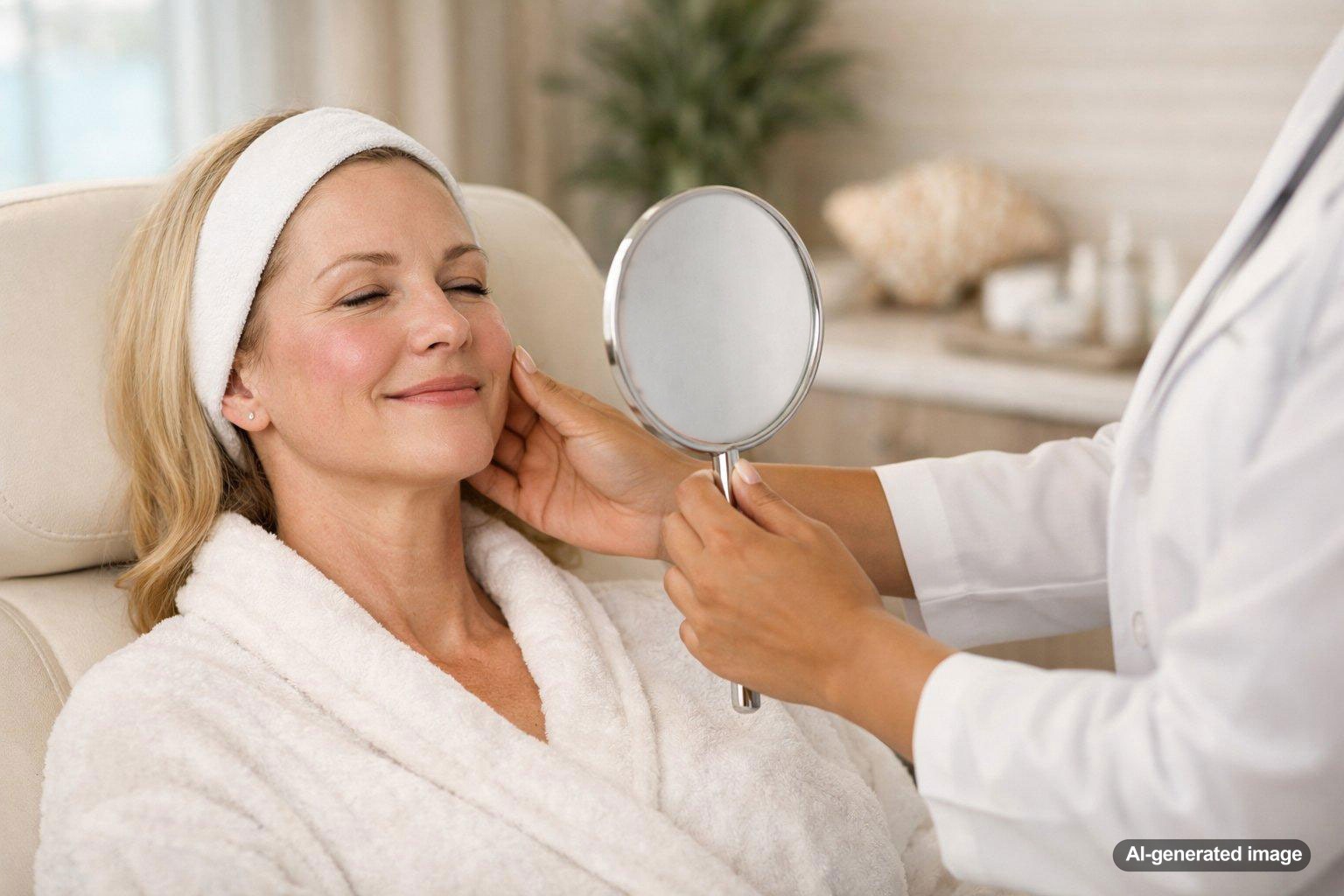
It is completely normal to notice redness after microneedling. The treatment works by creating controlled micro-injuries in the skin, which can trigger a natural healing response. That response often shows up as temporary redness that can look similar to a mild sunburn.
The good news is that this redness is usually short-lived and part of the expected recovery process. How long it lasts can vary based on your skin, the depth of treatment, and how you care for your skin afterward.
Quick answer
- Most people notice redness for about 24 to 48 hours
- Some mild pinkness can last a few days, especially with deeper treatments
- Sensitive skin may stay flushed slightly longer
- Proper aftercare can help calm the skin more quickly
What redness after microneedling means
Redness is a sign that your skin is responding to the treatment. Microneedling creates tiny channels in the skin to support collagen production and renewal. As your skin begins to repair itself, increased blood flow to the area can create a flushed appearance.
This is a normal part of the process and often fades as the skin barrier begins to recover.
What affects how long redness lasts
- Treatment depth: Deeper treatments may lead to longer-lasting redness
- Skin sensitivity: Naturally reactive skin may stay pink longer
- Area treated: Some areas of the face can appear more flushed than others
- Aftercare: Gentle, supportive skincare can help the skin settle more quickly
- Environmental factors: Heat, sun exposure, or exercise too soon can prolong redness
What you can do at home
After microneedling, the goal is to support your skin as it heals. Keeping things simple and gentle often works best.
- Use a mild, non-irritating cleanser
- Apply a soothing moisturizer to support the skin barrier
- Avoid active ingredients like retinoids or exfoliating acids for a few days
- Stay out of direct sun and use a broad-spectrum sunscreen once your clinician advises it is appropriate
- Avoid heat exposure such as saunas or intense workouts for the first day or two
Professional options
If redness lingers longer than expected or feels uncomfortable, a clinician can help guide next steps. In some cases, gentle calming treatments or adjustments to your skincare routine may be recommended.
At Waverly DermSpa, we offer SkinPen and can help you understand whether it may be appropriate.
When to see a dermatologist
While temporary redness is expected, it is worth checking in if you notice anything outside the usual pattern.
- Redness that lasts more than several days without improvement
- Increasing discomfort, swelling, or unusual sensitivity
- Signs of irritation that seem to worsen instead of calm down
If you are unsure, it is always reasonable to have your skin evaluated for reassurance.
FAQ
Is redness after microneedling a good sign?
Redness can be a normal part of the healing response. It reflects increased circulation as your skin begins to repair itself.
Can I speed up the redness going away?
Gentle skincare, avoiding heat, and protecting your skin from the sun can help support recovery. Your clinician can also guide you on appropriate products.
Why is my skin still pink after a few days?
Some lingering pinkness can happen, especially after deeper treatments or if your skin is more sensitive. It usually fades gradually.
Can I wear makeup while my skin is red?
Many people wait at least 24 hours before applying makeup, but it is best to follow your provider’s specific aftercare instructions.
Does redness mean something went wrong?
Not usually. Redness is expected, but if anything feels unusual or prolonged, it is worth getting guidance from a professional.
Ready to get help?
Schedule an appointment or send a message and our team will get back to you.
Prefer to call? 954-666-3736
This article is for educational purposes and is not medical advice. For diagnosis and personalized treatment, please book an appointment with a board-certified dermatologist.
