

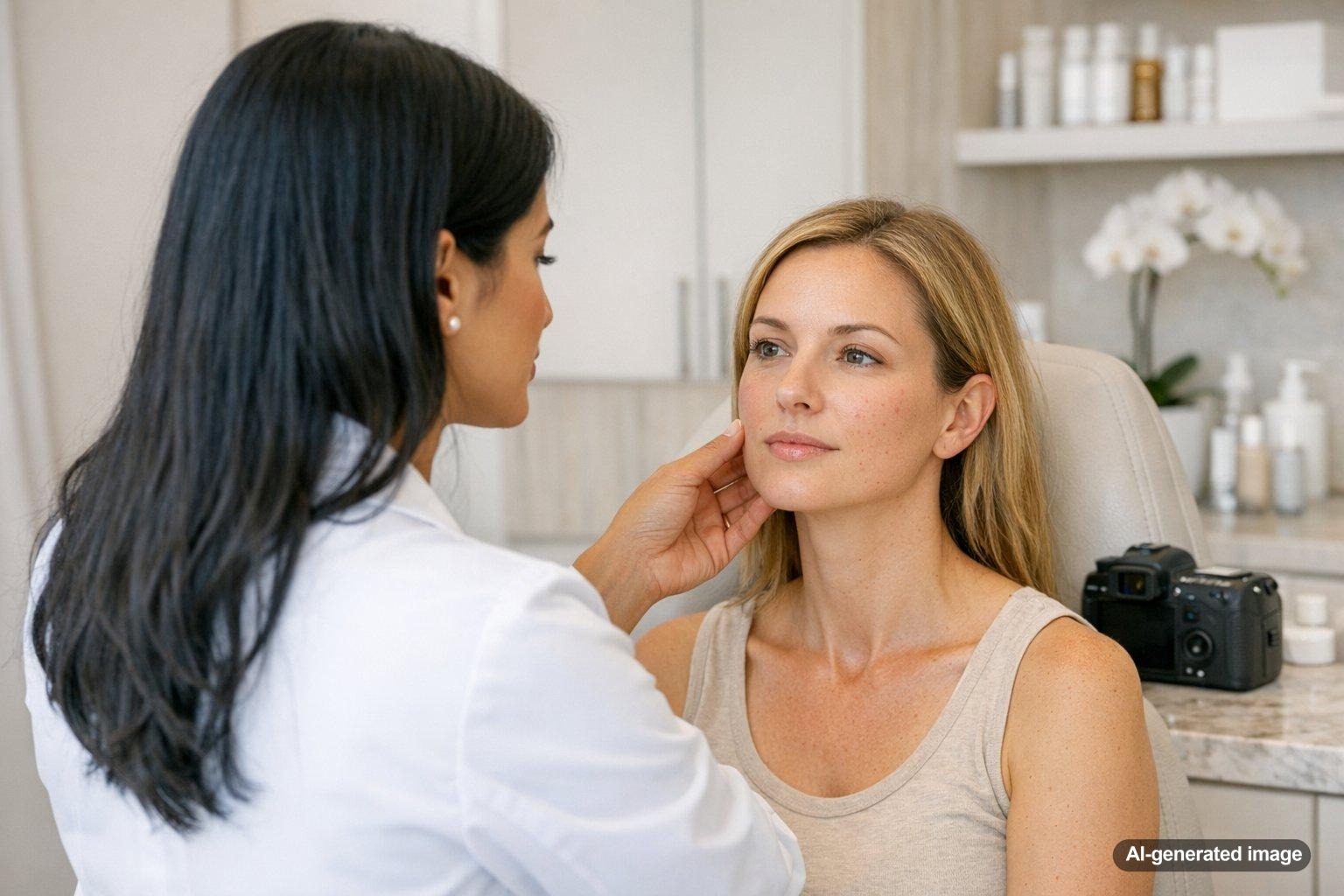
It can be frustrating when a breakout looks like acne, feels like acne, and still does not improve with the products that usually help. One common reason is that not every acne-like eruption is actually the same thing. In some cases, the bumps may be more consistent with Malassezia folliculitis, often called fungal acne, while in others they may be typical acne or bacterial folliculitis.
The important takeaway is simple: similar-looking bumps can respond very differently to treatment. If the root cause is different, your usual cream may not be the right match. That is one reason stubborn breakouts are worth a closer look, especially when they itch, keep recurring, or flare in a pattern that does not fit your usual skin.
Quick answer
- Fungal acne usually refers to Malassezia folliculitis, a yeast-driven inflammation of hair follicles.
- Bacterial acne is not a formal diagnosis, but people often use the phrase when they mean typical acne or folliculitis involving bacteria.
- Usual acne products may not help if the bumps are being driven by yeast rather than clogged pores.
- Itching, very uniform bumps, and chest or back involvement can be clues, but appearance alone is not always enough to tell.
- If your breakout is persistent or confusing, a dermatologist can evaluate it and guide treatment.
| Feature | Fungal acne | Typical acne or bacterial folliculitis |
|---|---|---|
| Common pattern | Small, similar-looking bumps | More mixed lesions, sometimes with blackheads or whiteheads |
| Itch | Often itchy | May be tender or inflamed, but not always itchy |
| Common locations | Forehead, hairline, chest, shoulders, back | Face, jawline, chest, back, or shaved areas |
| Response to acne creams | May not improve and can sometimes seem unchanged | May improve when treatment matches the cause |
How they are different
Typical acne develops through a mix of clogged pores, oil, inflammation, and bacteria that can contribute to the process. It often includes a variety of lesions, such as blackheads, whiteheads, inflamed pimples, and sometimes deeper nodules.
Fungal acne is a nickname for Malassezia folliculitis. Despite the name, it is not classic acne. It involves inflammation around hair follicles associated with yeast that normally lives on the skin. The bumps often look more uniform, and many people notice itching, especially on the forehead, chest, back, and shoulders.
Why your normal cream may not be working
If a breakout is being driven by yeast, a standard acne cream aimed at clogged pores may not address the main issue. That does not mean the product is bad. It may simply be targeting the wrong process.
Another possibility is that the breakout is not one single thing. Some people can have acne and folliculitis at the same time. Others may have irritation from heavy products, sweat, friction, or overuse of harsh treatments. When skin is inflamed from several directions, results can feel inconsistent.
Common clues that can point one way or the other
- Fungal acne may be more likely when bumps are very similar in size, feel itchy, and show up on the chest, shoulders, back, hairline, or forehead.
- Typical acne may be more likely when you also notice blackheads, whiteheads, deeper inflamed pimples, or jawline flares.
- Folliculitis may be part of the picture when bumps are centered around hair follicles, appear after sweating or shaving, or keep recurring in the same areas.
These are useful clues, not a diagnosis. Skin conditions can overlap, and photos online often make them look more straightforward than they are in real life.
Common triggers
- Heat, humidity, and heavy sweating
- Occlusive or rich skincare and hair products
- Friction from tight clothing, hats, or sports gear
- Recent antibiotic use in some cases
- Overly aggressive routines that irritate the skin barrier
What you can do at home
Keep your routine simple for a couple of weeks. Choose a gentle cleanser, avoid layering multiple strong actives at once, and skip thick or greasy products on breakout-prone areas if they seem to make things worse. Showering after heavy sweating and changing out of damp workout clothes may also help.
Try not to self-diagnose based on one symptom alone. Itch can matter, but it is not the only clue. Picking, scrubbing, and rotating through too many products can blur the picture and irritate the skin further.
Professional options
A dermatologist may evaluate the pattern of the breakout, your product use, recent medications, and whether the bumps fit acne, folliculitis, or a combination. Treatment options vary depending on the cause and can include changes to skincare, topical prescriptions, or other targeted therapies. When yeast, bacteria, irritation, or mixed causes are involved, treatment usually works best when it is tailored rather than guessed.
When to see a dermatologist
- The breakout keeps returning or does not improve with basic care.
- The bumps are very itchy, widespread, painful, or quickly worsening.
- You are noticing scarring, dark marks, or a major effect on confidence.
- You are not sure what you are treating and do not want to keep experimenting.
FAQ
Can fungal acne and regular acne happen at the same time?
Yes. Some people can have overlapping issues, which is one reason self-treatment can feel confusing.
Does itching automatically mean fungal acne?
No. Itching can be a clue, but it is not definitive on its own. Other skin conditions can itch too.
Why do breakouts show up on my chest and back after sweating?
Sweat, friction, and occlusive products can all aggravate follicle-based eruptions. A dermatologist can help sort out which factor is most relevant.
Should I stop all my acne products if they are not helping?
Not necessarily. Sometimes the issue is that the routine needs to be simplified or adjusted, not abandoned entirely. If you are unsure, it is worth getting checked.
Ready to get help?
Schedule an appointment or send a message and our team will get back to you.
Prefer to call? 954-666-3736
This article is for educational purposes and is not medical advice. For diagnosis and personalized treatment, please book an appointment with a board-certified dermatologist.
Sources & further reading
- DermNet – Malassezia (pityrosporum) folliculitis
- American Academy of Dermatology (AAD) – Acne: Diagnosis and treatment
- Cleveland Clinic – Fungal Acne
