

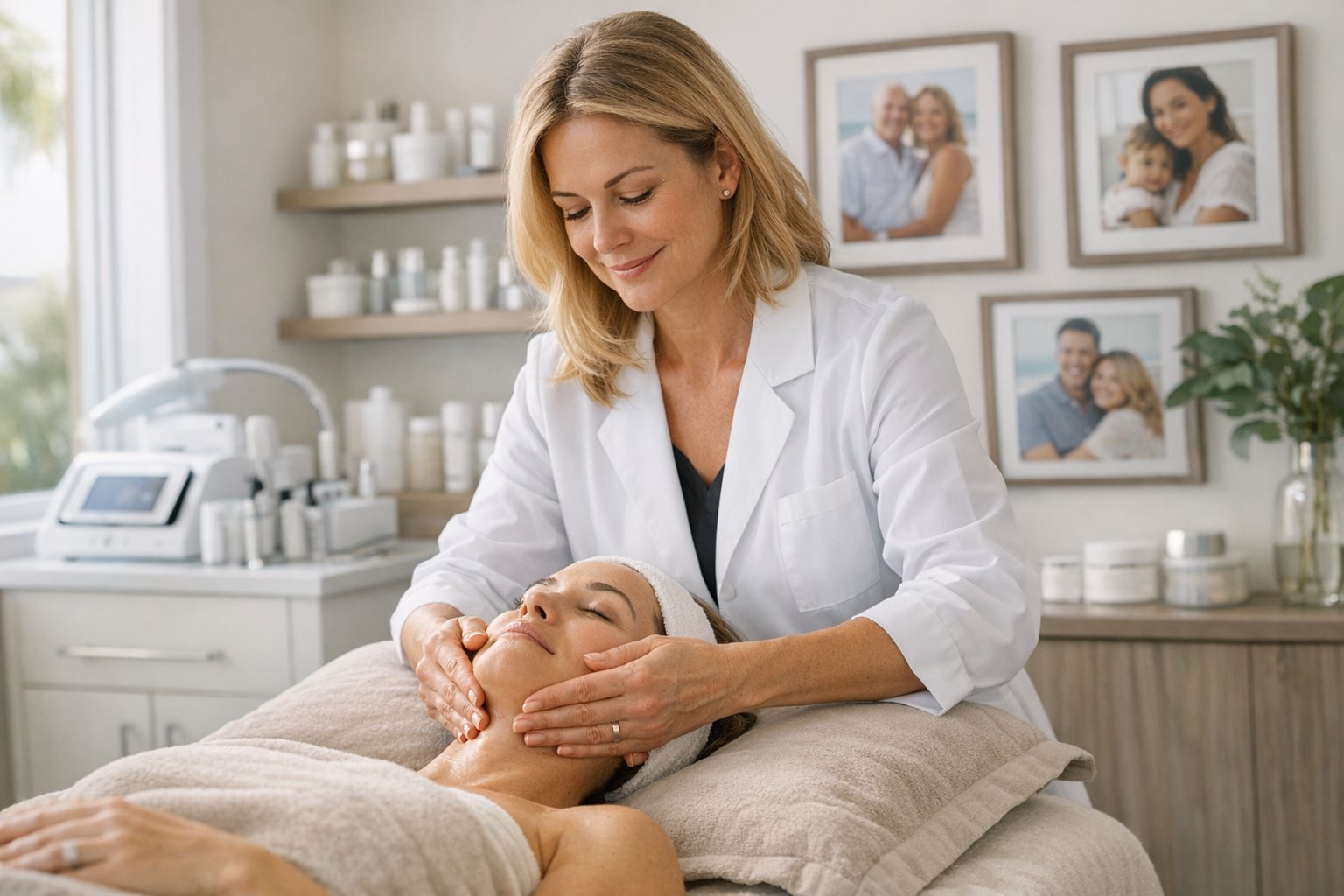
Facial massage and lymphatic drainage are popular for a reason: they feel good, they can look subtly refreshing, and they fit well into a calm, consistent skincare routine. The key is knowing what they can do (and what they cannot) so you can choose them for the right reasons.
Quick answer
- Facial massage and lymphatic techniques may temporarily reduce the look of puffiness, especially around the eyes and jawline.
- Results are usually subtle and can vary day to day based on sleep, diet, travel, and allergies.
- These techniques support comfort and relaxation, but they are not a replacement for medical evaluation of persistent or sudden swelling.
- Gentle technique matters; aggressive pressure can irritate sensitive skin or worsen redness for some people.
What it is
Your lymphatic system is part of how the body moves fluid and filters waste. Unlike blood circulation, it does not have a central pump, so it relies on muscle movement and gentle external pressure to help fluid move along. A lymphatic-style facial uses light, rhythmic strokes (not deep tissue pressure) to encourage fluid to move away from areas that commonly look puffy, like under the eyes, cheeks, and jawline.
Facial massage is a broader term. It can include relaxing strokes, targeted work for tension (like around the jaw), and techniques meant to improve the way skincare products spread across the skin. Some facial massage methods overlap with lymphatic techniques, but not all facial massage is lymphatic drainage.
Common causes and triggers
- High-salt meals or dehydration, which can shift how the body holds onto fluid
- Poor sleep or sleeping position (especially face-down or on one side)
- Alcohol, which can contribute to dehydration and temporary swelling for some people
- Seasonal allergies or sinus congestion that can make the under-eye area look fuller
- Travel, especially flights and big time-zone changes (common in a snowbird and international-visitor hub)
- Hormonal changes that can affect fluid balance
- Skin irritation from new products, over-exfoliation, or friction
- Heat exposure, which can make some people look more flushed or puffy
What you can do at home
If you want to try facial massage at home, think gentle and consistent rather than intense and occasional. The goal is comfort and a calmer look, not forcing change.
- Use a little slip. Apply a bland moisturizer or serum so your fingers glide without tugging. If you are acne-prone or sensitive, avoid heavy oils that tend to clog pores for you.
- Keep pressure light. Lymphatic-style strokes should feel barely-there. If your skin turns red, feels sore, or looks irritated afterward, that is a sign to back off.
- Work outward and downward. Many people focus on moving from the center of the face toward the sides, then down the neck with light strokes. Avoid pressing directly on the throat.
- Try a cool compress. For under-eye puffiness, a clean cool compress for a few minutes can be a simple, low-risk option.
- Support the basics. Hydration, steady sleep, and dialing back salt or alcohol (if you notice a pattern) often make a bigger difference than any single technique.
- Avoid aggressive tools. Scraping or hard rolling can irritate the skin barrier. If you use a tool, choose gentle pressure and keep it clean.
Stop and reassess if you notice pain, worsening redness, broken capillaries, or a flare of rosacea or eczema. If you are unsure, it is worth getting checked.
Professional options
In a professional setting, techniques are typically more structured and can be paired with other supportive steps that focus on skin comfort, hydration, and gentle exfoliation. Common options include:
- Facials with lymphatic-style massage. A trained provider can use consistent, light pressure and safe sequencing, especially around delicate areas like the eyes.
- Manual lymphatic drainage by a trained clinician or therapist. Some people prefer a dedicated session focused on fluid movement rather than a traditional facial.
- Hydration and barrier-support facials. When puffiness is tied to irritation or dryness, calming the skin can help the face look more even and less reactive.
At Waverly DermSpa, we offer HydraFacial and can help you understand whether it may be appropriate.
When to see a dermatologist
Facial massage is for routine maintenance and comfort. If swelling is sudden, severe, one-sided, painful, or persistent, it is safer to get evaluated rather than trying to massage it away. Consider booking with a board-certified dermatologist if you notice:
- Sudden swelling of the face, lips, tongue, or around the eyes
- Swelling with trouble breathing, hives, or dizziness
- One-sided facial swelling, new facial droop, or new numbness
- Fever, spreading redness, warmth, or significant tenderness
- A new lump or firm area that does not improve
- Swelling that lasts more than a couple of weeks or keeps returning without a clear pattern
- New swelling after an in-office procedure that feels unusual or worsening
FAQ
Will lymphatic drainage change my face shape?
It may temporarily reduce the look of puffiness, which can make contours look a bit more defined for some people. It does not change bone structure, and it is not the same as fat loss.
How long do results last?
It varies. Many people notice the most visible difference when puffiness is tied to short-term factors like travel, sleep, or salt. The effect is typically temporary, and consistency matters more than intensity.
Is it safe to do every day?
Gentle, light-pressure massage is well tolerated for many people. If you are sensitive, acne-prone, or rosacea-prone, start slowly and stop if you see irritation, increased redness, or breakouts.
Can massage help with acne?
Massage is not an acne treatment. For some, heavy oils, friction, or unclean tools can aggravate acne. If breakouts are a concern, choose non-comedogenic products and consider a professional plan tailored to your skin.
Should I avoid facial massage after injectables or procedures?
After any in-office treatment, follow the aftercare guidance you were given. When in doubt, ask your clinician before applying pressure, using tools, or scheduling a facial.
Ready to get help?
Schedule an appointment or send a message and our team will get back to you.
Prefer to call? 954-666-3736
Disclaimer
This article is for educational purposes and is not medical advice. For diagnosis and personalized treatment, please book an appointment with a board-certified dermatologist.
