

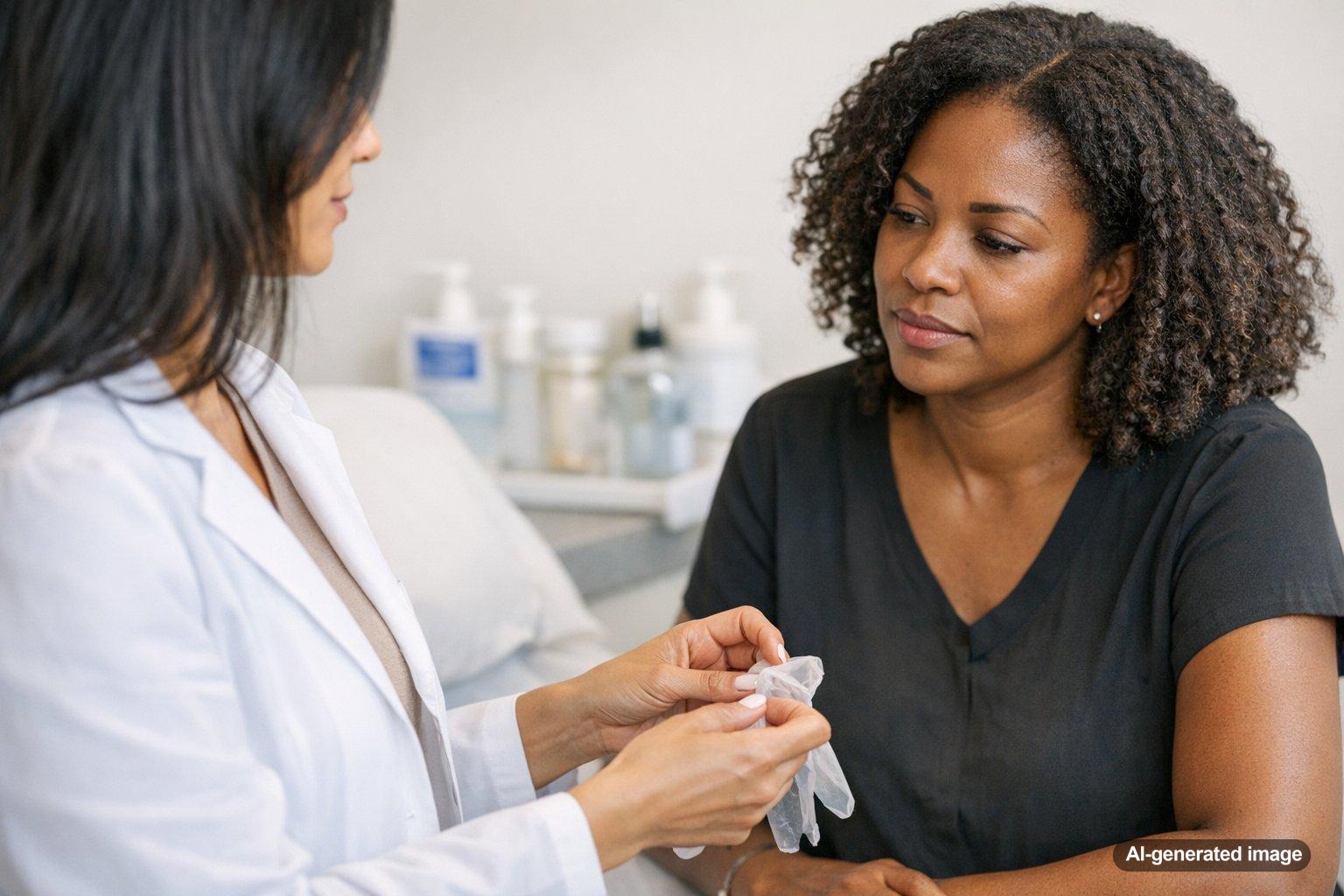
Yes, this is an uncomfortable question, but it is also a common one. Sweating in the groin area can feel embarrassing, inconvenient, and hard to talk about, especially in warm, humid places like Fort Lauderdale. The good news is that there are practical ways to reduce friction, odor, dampness, and irritation while you decide whether it is time to speak with a dermatologist.
Excessive sweating in the groin area may be related to heat, clothing, activity, body chemistry, irritation, or a pattern of sweating that is more intense than expected. A dermatologist can help evaluate what is going on and discuss options that fit your skin, comfort level, and medical history.
Quick answer
- Choose breathable, moisture-wicking underwear and change promptly after sweating.
- Keep the area dry without aggressively scrubbing, over-washing, or using heavily fragranced products.
- Use gentle barrier strategies if sweat is causing chafing along the inner thighs or skin folds.
- Consider a dermatology visit if sweating is frequent, disruptive, new, one-sided, or paired with rash, pain, odor, drainage, or skin breakdown.
- Professional options may be available, but the right approach depends on an exam and your medical history.
What counts as excessive groin sweating?
Sweating is normal. It helps regulate body temperature, and the groin area naturally has warmth, friction, folds, and less airflow than many other areas of the body. It may feel excessive when dampness soaks through clothing, causes frequent outfit changes, leads to chafing, affects intimacy or exercise, or makes you plan your day around staying dry.
It is important not to assume that sweating alone means something is wrong. Still, if the sweating is new, worsening, uncomfortable, or affecting your quality of life, it is reasonable to have it evaluated.
Common causes or triggers
Groin sweating can have more than one contributor. Common triggers include:
- Heat and humidity: Warm weather, travel, outdoor activity, and tropical climates can make sweating more noticeable.
- Exercise or walking: Movement increases friction and temperature in the inner thigh and groin area.
- Tight clothing: Compression, synthetic fabrics, and non-breathable garments can trap moisture.
- Stress or anxiety: Emotional sweating may show up in areas that already tend to feel warm or enclosed.
- Skin folds or friction: Areas where skin rubs together may hold moisture longer and become irritated.
- Products that irritate the skin: Fragrance, harsh soaps, deodorizing sprays, and some wipes may make the area more reactive.
- Medical or medication-related factors: Some health conditions and medications can be associated with increased sweating, which is one reason an evaluation may be helpful.
What you can do at home
Start with simple, skin-friendly changes. The goal is to reduce trapped moisture without irritating sensitive skin.
- Wear breathable underwear: Lightweight cotton or moisture-wicking fabrics may help keep the area more comfortable.
- Change after sweating: After exercise, long walks, beach days, travel, or humid outdoor time, change into dry clothing as soon as practical.
- Keep cleansing gentle: Use a mild cleanser and water. Avoid aggressive scrubbing, which can disrupt the skin barrier.
- Dry carefully: Pat dry after bathing rather than rubbing. Make sure skin folds are fully dry before getting dressed.
- Reduce friction: If inner-thigh rubbing is part of the problem, a gentle barrier product may help protect the skin.
- Skip fragranced sprays: Perfumed powders, deodorizing sprays, and harsh wipes may make irritation worse for some people.
- Track patterns: Notice whether sweating is tied to heat, exercise, stress, certain clothing, spicy foods, alcohol, or specific medications.
For intimate areas, it is especially important to be cautious with products. Something marketed as freshening or deodorizing is not always gentle enough for sensitive groin skin.
Professional options
If sweating is persistent or affecting daily life, a dermatologist can evaluate whether it may fit a pattern of excessive sweating and whether another skin issue is contributing to irritation. Professional options may include prescription-strength topical treatments, guidance on safe product placement, strategies to reduce friction-related irritation, or procedure-based approaches in selected cases.
Because the groin is a sensitive area, treatment should be individualized. What is reasonable for the underarms may not be appropriate for every part of the groin or inner thigh area. Your clinician can help you decide what is safe, realistic, and worth considering.
At Waverly DermSpa, we offer Botox and can help you understand whether it may be appropriate.
When to see a dermatologist
It is worth booking an appointment if groin sweating is new, worsening, interfering with your routine, or making you avoid activities. You should also seek care if sweating is paired with symptoms that suggest irritation or another skin concern may be present.
- Persistent redness, burning, itching, tenderness, or peeling
- Skin cracking, rawness, or repeated chafing
- Drainage, swelling, sores, or pain
- Noticeable odor that does not improve with gentle hygiene
- Sweating that happens at night or feels unexplained
- A sudden change in sweating pattern
A dermatologist can examine the skin, review your medical history, and help separate sweat management from other possible causes of discomfort.
FAQ
Is groin sweating normal?
Some groin sweating is normal, especially in heat, humidity, exercise, or tight clothing. It becomes worth discussing when it is frequent, uncomfortable, disruptive, or associated with irritation.
Can I use regular deodorant in the groin area?
Be careful. Products designed for the underarms may be too irritating for sensitive groin skin. Ask a dermatologist before using strong antiperspirants, fragranced products, or medicated products in intimate areas.
What type of underwear is best?
Breathable, well-fitting underwear that reduces friction and allows moisture to move away from the skin may help. Avoid overly tight clothing if it traps heat or rubs.
Could sweating cause chafing?
Yes, moisture and friction can work together. Keeping the area dry, changing out of sweaty clothing, and using gentle barrier strategies may help reduce rubbing.
When should I stop trying home care and book a visit?
If the sweating is affecting your comfort, clothing choices, exercise, travel, or confidence, a visit is reasonable. Book sooner if there is rash, pain, broken skin, drainage, or a sudden change.
Ready to get help?
Schedule an appointment or send a message and our team will get back to you.
Prefer to call? 954-666-3736
Disclaimer
This article is for educational purposes and is not medical advice. For diagnosis and personalized treatment, please book an appointment with a board-certified dermatologist.
