

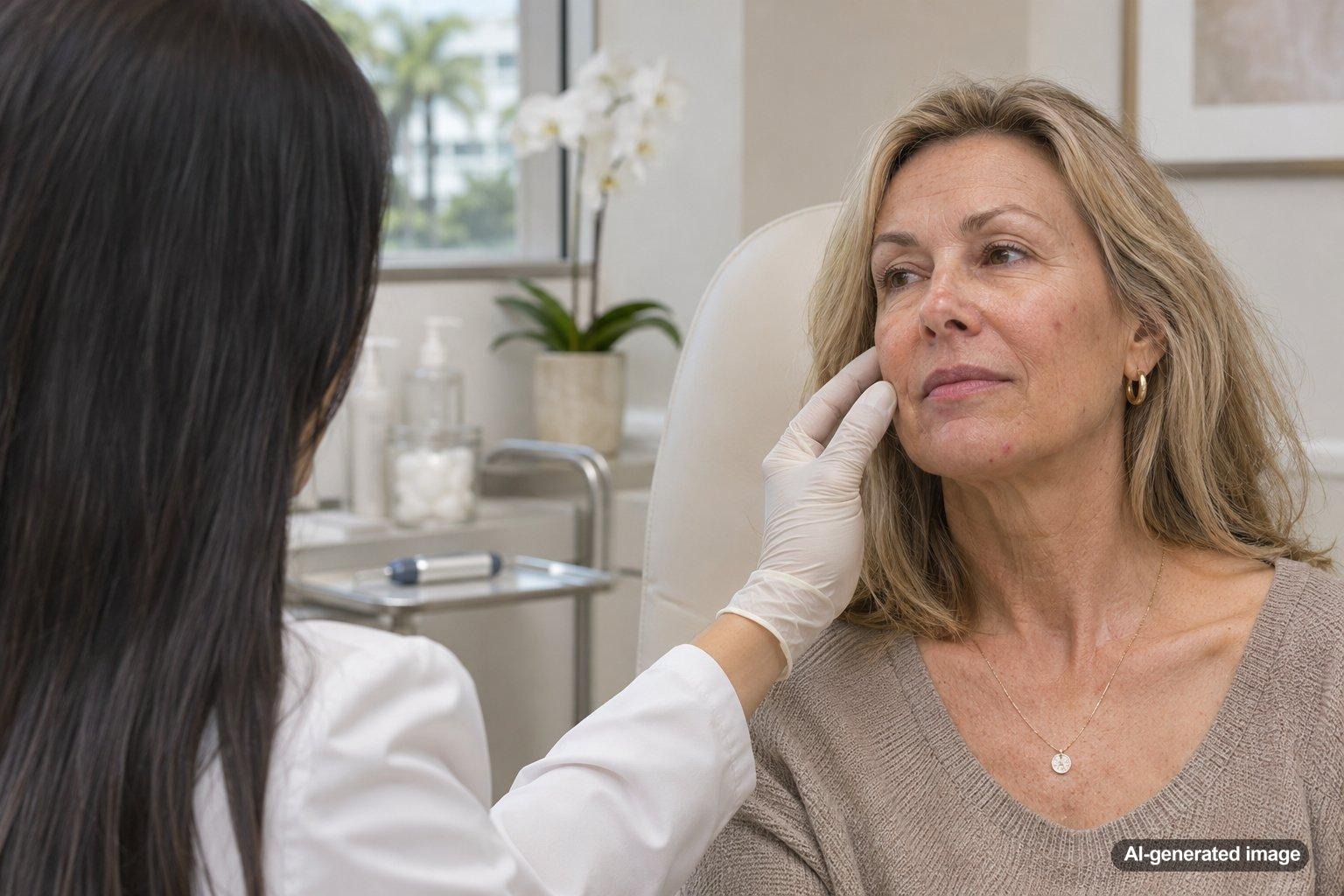
Microneedling can be a useful option for improving the appearance of certain acne scars, but active breakouts change the conversation. If your skin has inflamed pimples, tender bumps, or deeper acne lesions, a dermatologist will generally recommend postponing microneedling until those areas have settled. Treating already irritated skin can introduce unnecessary risks rather than support the results you are hoping to achieve.
That does not mean every small blemish automatically rules out a future appointment. The type, severity, and location of your breakouts matter, along with your skin’s overall condition. Understanding the difference between treating acne scars and treating active acne can help you approach a consultation with realistic expectations.
Quick Answer: Can You Get Microneedling With Active Breakouts?
- Inflamed acne is a reason to wait. Painful, pus-filled, or deep pimples should clear before microneedling is performed in the affected area.
- Not all blemishes are the same. A few small, noninflamed clogged pores require a different assessment than widespread inflammatory acne.
- Microneedling primarily addresses texture and scarring. It is not generally the first treatment chosen to control an active acne flare.
- Skin condition matters. Infection, significant irritation, and a compromised skin barrier can make treatment inappropriate.
- A dermatologist should determine timing. An examination can clarify whether to postpone treatment, address acne first, or consider another approach.
What Microneedling Does to the Skin
Microneedling uses a device with fine needles to create controlled microscopic punctures in the skin. This process initiates a wound-healing response that may support collagen remodeling and gradually improve the appearance of certain textural concerns.
For people with depressed acne scars, such as some rolling or boxcar scars, professional microneedling may be considered as part of a treatment plan. Results depend on factors including scar type, scar depth, skin characteristics, and the procedure selected.
Active acne is a different concern. A raised, inflamed pimple is not the same as a healed depression left behind by an earlier breakout. While microneedling may help with certain residual scars, it does not replace the evaluation and management of ongoing acne.
Why Active Breakouts Can Make Microneedling Riskier
Microneedling deliberately disrupts the skin surface. When the treatment area is already inflamed or irritated, that additional disruption may be poorly tolerated. A dermatologist considers several concerns before proceeding.
- Additional inflammation: Passing needles through tender, swollen acne lesions may aggravate local irritation.
- Infection concerns: Microneedling creates openings in the skin, and infection is a recognized procedural risk. Suspected skin infections require evaluation before treatment.
- Post-inflammatory pigmentation: Additional inflammation or injury may contribute to unwanted darkening or lightening of the skin, particularly in people prone to pigment changes.
- Unpredictable healing: Already irritated skin may react differently than healthy, stable skin.
- Continued breakouts: New inflammatory lesions can develop while existing scars are being addressed, making it harder to coordinate a scar-focused treatment plan.
These concerns do not mean complications are inevitable. They explain why careful patient selection and appropriate timing are important.
Does the Type of Acne Make a Difference?
Yes. Acne is not a single uniform skin condition, and the appearance of an individual blemish does not always reveal what is happening beneath the surface.
Blackheads and Whiteheads
Small, noninflamed comedones may represent a different situation from painful inflammatory acne. However, their presence does not automatically establish that microneedling is appropriate. A dermatologist still needs to evaluate the surrounding skin, treatment area, and broader acne activity.
Red, Inflamed Pimples
Red, swollen bumps suggest active inflammation. Microneedling directly over these areas is generally avoided until the lesions have resolved.
Pustules and Deep Acne Lesions
Pimples containing pus, along with painful or deep nodules and cyst-like lesions, warrant particular caution. The American Academy of Dermatology advises postponing microneedling when these types of pimples are present.
Healed Acne Scars
Once active inflammation has settled, depressed acne scars may be evaluated separately. Scar shape, depth, skin tone, and healing history can help determine whether microneedling is an appropriate option.
What Can Trigger Breakouts Before a Microneedling Appointment?
Breakouts sometimes appear unexpectedly, even when an appointment was scheduled during a relatively calm period. Common contributing factors can include:
- Changes in skincare products or the introduction of irritating ingredients.
- Hormonal fluctuations that influence acne activity.
- Heavy or pore-clogging cosmetic and skincare products.
- Friction, occlusion, or prolonged exposure to sweat in certain areas.
- Overuse of exfoliating products that leaves skin visibly irritated.
- Inconsistent acne management or changes in an established treatment routine.
Not every sudden bump is acne. Folliculitis, irritation, and other skin conditions can sometimes resemble breakouts. A dermatologist can help distinguish among these possibilities when the cause is uncertain.
What to Do at Home Before Your Appointment
If your skin begins breaking out before a scheduled procedure, avoid trying to force the blemishes to disappear with aggressive skincare. A calmer, more consistent approach is generally preferable.
- Use a gentle cleanser rather than harsh scrubs or abrasive cleansing tools.
- Choose a simple moisturizer that your skin tolerates well.
- Avoid picking, squeezing, or attempting to extract inflamed pimples.
- Use appropriate sun protection, especially if your skin is prone to discoloration.
- Avoid starting several new active skincare ingredients immediately before a procedure.
- Contact your treatment provider if new inflamed lesions appear before your appointment.
If you use prescription acne medication, disclose it during your consultation. Certain medications, including isotretinoin, require specific consideration before microneedling. Recommendations can depend on the device, treatment depth, medication history, and individual clinical circumstances. Do not stop prescribed treatment solely to prepare for a cosmetic procedure without discussing it with your prescribing clinician.
Professional Options When Acne Is Still Active
When ongoing acne is the primary concern, a dermatologist may recommend addressing the breakout pattern before pursuing procedures for scarring. The appropriate approach depends on the severity and characteristics of the lesions.
Common categories of acne management include topical therapies, prescription treatments when indicated, and selected office-based procedures. Some patients may also benefit from adjustments to their skincare routine to reduce irritation and support skin barrier function.
Once acne activity is better controlled, scar treatment options can be reviewed. Depending on the scars involved, a dermatologist might discuss microneedling, certain laser procedures, chemical peels, or other techniques. These approaches are not interchangeable, and not every option is appropriate for every skin type or scar pattern.
At Waverly DermSpa, we offer SkinPen and can help you understand whether it may be appropriate.
When Should You See a Dermatologist?
A dermatology consultation is particularly valuable when breakouts are frequent, painful, persistent, or associated with new scarring. Professional evaluation is also important if you are unsure whether a blemish is acne or another skin condition.
Seek prompt medical attention for rapidly worsening redness, spreading swelling, significant warmth, fever, or drainage accompanied by increasing pain. These symptoms can indicate a problem that requires evaluation rather than cosmetic treatment.
If you are considering microneedling primarily because of acne scars, a consultation can help establish whether your skin is sufficiently stable and which treatment goals are realistic. Waiting for active inflammation to settle is often a practical part of planning, not a setback.
Frequently Asked Questions
Can microneedling make active acne worse?
Microneedling over inflamed lesions can add irritation and may increase the risk of complications. For this reason, dermatologists generally avoid treating areas with painful, pus-filled, or deep active pimples.
Can I get microneedling if I only have one or two pimples?
It depends on the type and location of the blemishes and the condition of the surrounding skin. A clinician may choose to postpone treatment or adjust the plan after examining the area. Do not assume that a small number of pimples makes treatment automatically appropriate.
How long should I wait after an acne breakout?
There is no universal waiting period for every breakout. Your dermatologist will consider whether the lesions have cleared, whether inflammation remains, and whether the skin is healing normally before recommending a treatment date.
Is microneedling better for acne scars than active acne?
Microneedling is primarily used to improve the appearance of certain established scars and textural irregularities. Active acne usually requires its own management plan before scar-focused procedures are considered.
Can I use an at-home microneedling roller over breakouts?
Microneedling over active breakouts at home is not recommended. Improper needle use, inadequate hygiene, and treatment of inflamed skin can increase the potential for irritation, injury, and infection. Professional assessment is a safer starting point.
What if I develop a breakout just before my treatment?
Contact the practice before your appointment and describe the change. Your clinician can determine whether an in-person assessment, a revised treatment plan, or rescheduling is appropriate.
The Bottom Line
Microneedling can be considered for certain acne scars, but active inflammatory breakouts generally need to settle before treatment. The most appropriate timing depends on the kind of acne present, the health of the surrounding skin, and individual healing considerations. A dermatologist can help you separate immediate acne concerns from longer-term scar goals and choose a sensible order of care.
Ready to get help?
Schedule an appointment or send a message and our team will get back to you.
Prefer to call? 954-666-3736
Disclaimer
This article is for educational purposes and is not medical advice. For diagnosis and personalized treatment, please book an appointment with a board-certified dermatologist.
Sources & Further Reading
- American Academy of Dermatology (AAD) – Microneedling can fade scars, uneven skin tone, and more
- U.S. Food and Drug Administration (FDA) – Microneedling Devices
