

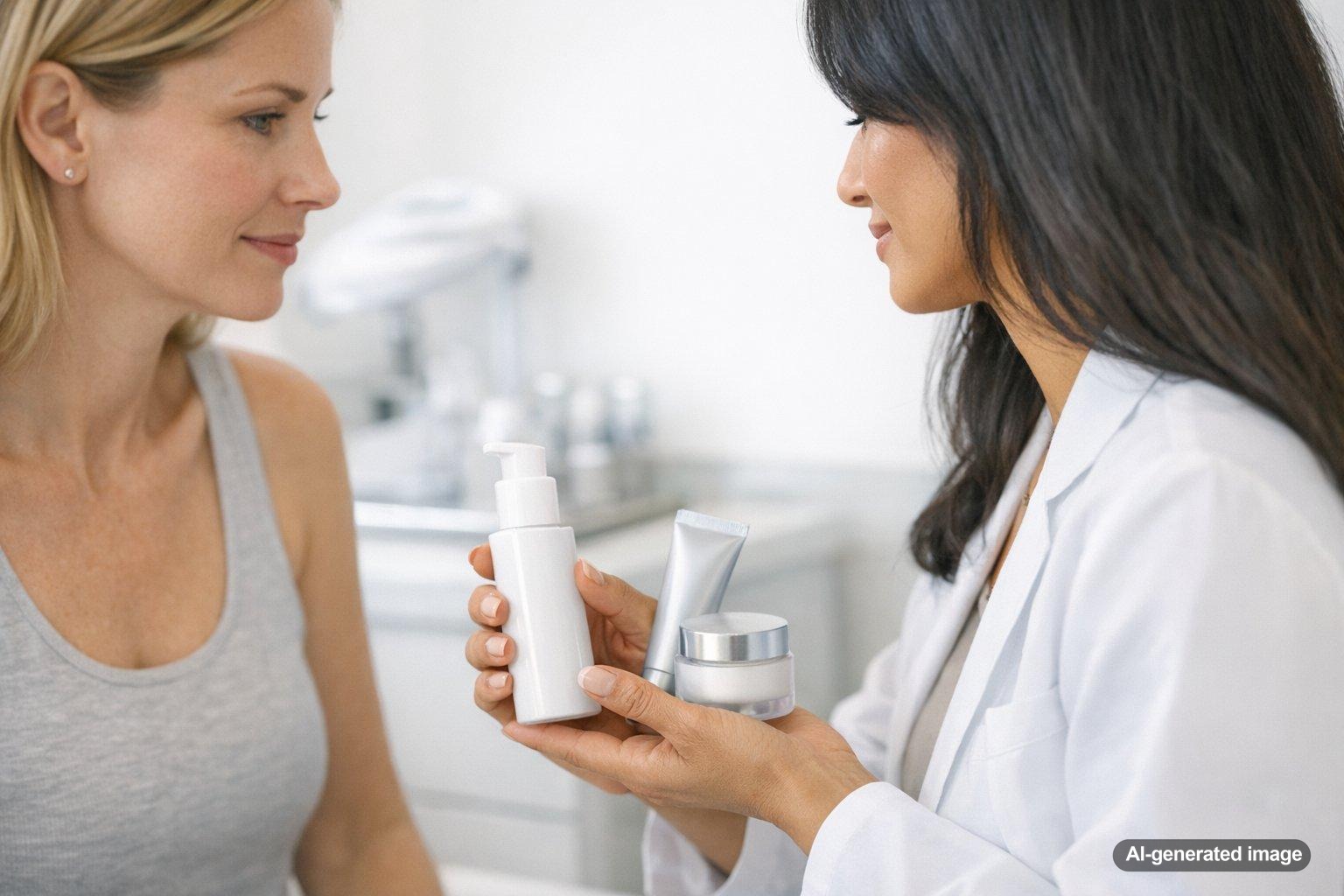
Starting professional skincare treatments as a teen can feel exciting, especially when the goal is clearer, calmer, more confident-looking skin. The best routine is usually not the longest one. It is the one that is simple enough to follow, gentle enough for changing teen skin, and consistent enough to support what happens in the treatment room.
For teens in Fort Lauderdale, where sun, humidity, sports, travel, and busy school schedules can all affect the skin, a thoughtful routine can make professional care feel less confusing. The goal is not perfection. The goal is steady support, fewer irritating habits, and knowing when a dermatologist should guide the plan.
Quick answer
- Keep the routine simple: cleanser, lightweight moisturizer, and daily sunscreen are the foundation.
- Avoid layering too many strong products, especially before or after professional treatments.
- Do not pick, scrub aggressively, or use harsh drying products, because irritation can make skin harder to manage.
- Professional treatments may help with congestion, texture, clogged pores, or breakouts, but the right option depends on a skin evaluation.
- If acne is painful, scarring, widespread, or not improving, a board-certified dermatologist can help guide next steps.
What it is
A teen skincare routine is a basic daily plan that supports the skin barrier while addressing common concerns such as oiliness, clogged pores, mild breakouts, dryness, or sensitivity. When a teen starts professional treatments, the home routine becomes even more important because skin may need extra support between visits.
The best routine does not need to feel complicated. In many cases, a gentle morning and evening plan is enough. Professional care can then be added thoughtfully, rather than stacking products and treatments in a way that overwhelms the skin.
Common causes or triggers
Teen skin can change quickly, and breakouts or irritation often have more than one contributing factor. Common triggers may include:
- Hormonal changes that can increase oiliness or clogged pores
- Sports helmets, sweat, makeup, sunscreen, or hair products that sit on the skin
- Picking, squeezing, or harsh scrubbing
- Using too many active products at once
- Skipping moisturizer because the skin feels oily
- Not washing off sweat, makeup, or sunscreen at the end of the day
- Sun exposure, especially during outdoor sports or travel
What you can do at home
A supportive teen routine usually starts with a few reliable steps. In the morning, cleanse gently if the skin feels oily or sweaty, apply a lightweight moisturizer if needed, and use a broad-spectrum sunscreen every day. In the evening, cleanse to remove sunscreen, sweat, makeup, and oil, then apply moisturizer to help keep the barrier comfortable.
If a teen is using acne-focused products, it is often best to introduce them slowly and avoid combining several new products at once. Skin that feels tight, stinging, flaky, or unusually red may be irritated, not just “purging.” In that case, simplifying the routine and checking in with a clinician can be a smart step.
Before a professional treatment, avoid experimenting with new exfoliating acids, scrubs, masks, or strong acne products unless your provider has specifically recommended them. After a treatment, follow the office’s instructions closely and prioritize gentle cleansing, moisturizer, and sun protection.
Professional options
Professional skincare for teens may include gentle facials, careful extractions, light exfoliation, acne-supportive skincare guidance, or other office-based options depending on the teen’s skin type and goals. If acne is more inflamed, painful, persistent, or associated with marks or scarring, a dermatologist can evaluate whether medical treatment should be part of the plan.
Professional treatments should be chosen with restraint. Teen skin does not need aggressive care to be cared for well. The right plan should consider sensitivity, current products, sports or school schedules, sun exposure, and whether the main concern is congestion, redness, oiliness, texture, or breakouts.
At Waverly DermSpa, we offer HydraFacial and can help you understand whether it may be appropriate.
When to see a dermatologist
It is worth scheduling with a board-certified dermatologist if breakouts are painful, deep, rapidly worsening, leaving marks, or affecting confidence in a significant way. A dermatologist can also help if over-the-counter products are causing irritation or if the skin is not improving despite a consistent routine.
Teens should also be evaluated if there are rashes, signs of infection, unusual swelling, or skin changes that do not seem typical. The goal is not to make the routine more intense. It is to make the plan more personalized and safer.
FAQ
How many products does a teen really need?
Many teens do best with a cleanser, moisturizer, and sunscreen as the core routine. Extra products should be added only when there is a clear reason and the skin is tolerating the basics well.
Should teens exfoliate before professional treatments?
Usually, it is better to avoid extra scrubs or strong exfoliating products right before a treatment unless your provider has advised it. Too much exfoliation can make skin more sensitive.
Is moisturizer still needed if teen skin is oily?
Often, yes. A lightweight, non-heavy moisturizer can help support the skin barrier. Skipping moisturizer can sometimes leave skin feeling more irritated, especially when acne products or professional treatments are part of the plan.
Can professional treatments help teen acne?
Professional treatments may help support clogged pores, texture, and routine consistency for some teens. If acne is inflamed, painful, or leaving marks, a dermatologist can evaluate whether additional options are appropriate.
What should a teen avoid after a treatment?
Follow the instructions from the office, but common guidance often includes avoiding picking, harsh scrubs, excessive sun exposure, and adding new active products too quickly.
Ready to get help?
Schedule an appointment or send a message and our team will get back to you.
Prefer to call? 954-666-3736
Disclaimer
This article is for educational purposes and is not medical advice. For diagnosis and personalized treatment, please book an appointment with a board-certified dermatologist.
