

Beef tallow has become a popular skincare trend, especially among people looking for a simple, natural moisturizer. For acne-prone skin, though, natural does not always mean gentle, non-clogging, or appropriate.
If breakouts are already part of your skin story, applying a heavy animal-based fat to the face may increase the chance of clogged pores, greasy buildup, and irritation for some people. A dermatologist can help separate skin barrier support from products that may quietly make acne harder to manage.
Quick answer
- Beef tallow may feel moisturizing, but it can be too occlusive for many acne-prone complexions.
- Heavy oils and balms can trap sweat, dead skin cells, sunscreen, and makeup inside pores.
- Acne is not caused by one product alone, but pore-clogging products can contribute to new bumps in some people.
- Patch testing and choosing non-comedogenic products may help reduce unnecessary flare-ups.
- If breakouts are persistent, painful, scarring, or not improving, a dermatologist can evaluate safer options.
What beef tallow is
Beef tallow is rendered animal fat, usually from cattle. In skincare, it is often used as a thick balm or moisturizer because it contains fatty acids and creates a rich coating on the skin.
That coating is exactly why some people like it, but it is also the reason acne-prone skin may not tolerate it well. Acne tends to involve a mix of oil, dead skin cells, clogged follicles, inflammation, bacteria, hormones, genetics, and product choices. When a product is very heavy, it can make the surface of the skin feel sealed, which may not be ideal for people who are already prone to clogged pores.
Why it may clog pores
The main concern with beef tallow for acne is not that it is automatically harmful for everyone. The concern is that it can be thick, greasy, and occlusive, especially when layered over sunscreen, makeup, sweat, or other skincare products.
For some acne-prone patients, that type of texture may contribute to congestion. This can look like small closed bumps, whiteheads, blackheads, or inflamed pimples. People with oily skin, humid-weather exposure, heavy sunscreen use, or a history of comedonal acne may be more likely to notice problems with richer balms.
Common causes or triggers
If breakouts seem worse after using beef tallow, it may be due to the product itself, the way it is used, or what it is layered with. Common contributors include:
- Applying a thick layer instead of a very small amount.
- Using it on areas that already break out easily, such as the forehead, cheeks, chin, or jawline.
- Layering it over sunscreen, makeup, sweat, or other oils.
- Not cleansing thoroughly at night.
- Using a formula that includes fragrance, essential oils, or other irritating additives.
- Assuming that dryness means the skin needs a heavier balm, when irritation or acne treatment side effects may be involved.
What you can do at home
If you are acne-prone, a cautious approach is usually better than chasing every skincare trend. Consider simplifying your routine before adding heavier products.
- Choose moisturizers labeled non-comedogenic when possible.
- Use a gentle cleanser and avoid scrubbing, which can worsen irritation.
- Patch test new products on a small area before applying them to the entire face.
- Avoid layering multiple oils, balms, and heavy creams at the same time.
- Remove sunscreen and makeup thoroughly at night without harsh rubbing.
- Stop using a product if breakouts, stinging, itching, or redness appear to worsen after starting it.
For dryness, barrier support does not have to mean a greasy product. Many people do better with lightweight, fragrance-free moisturizers that help support comfort without leaving a heavy residue.
Professional options
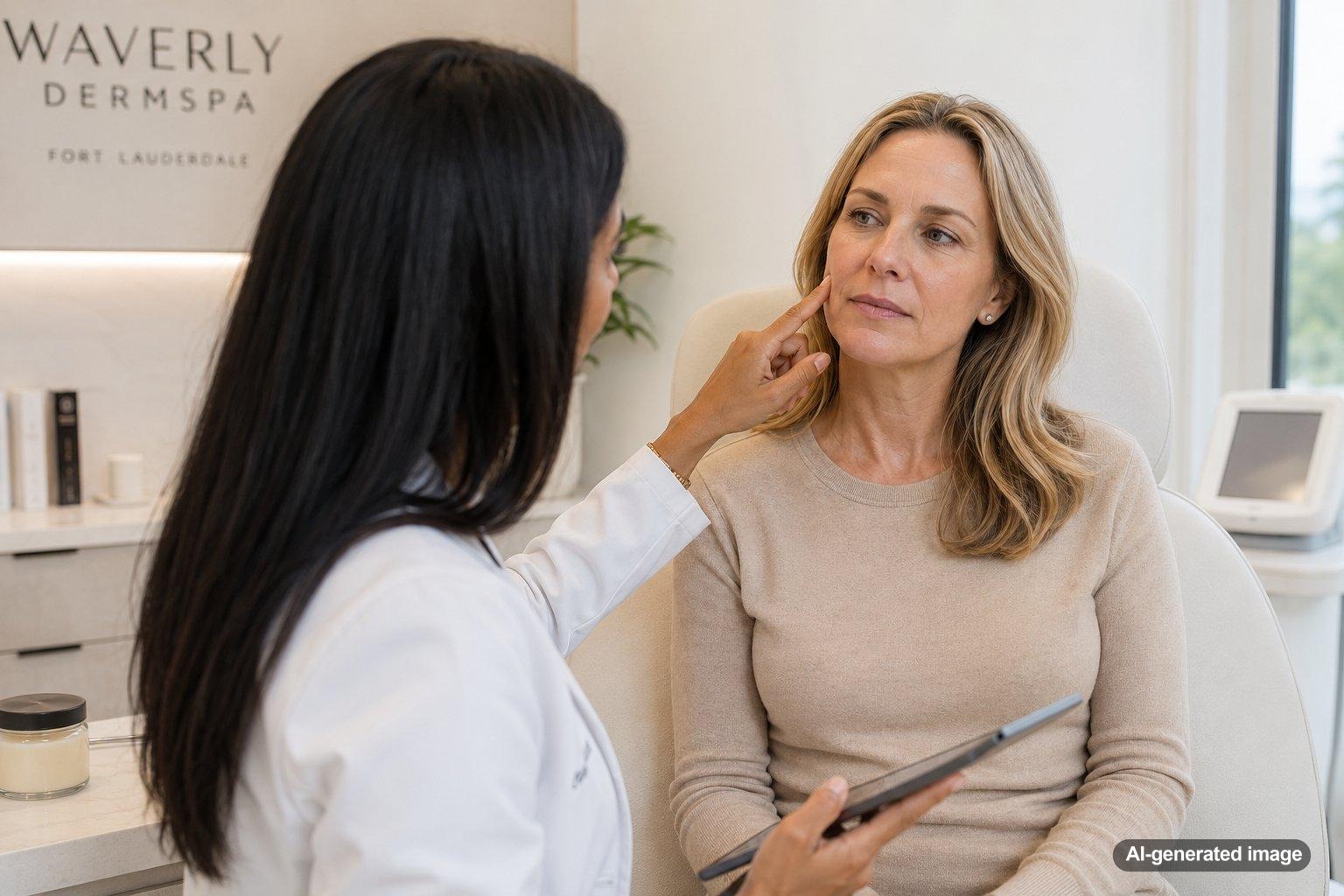
When acne is persistent, a dermatologist can evaluate the pattern of breakouts, skin type, product routine, medical history, and lifestyle factors. Common options may include topical treatments, prescription therapies, gentle in-office procedures, or a skincare plan designed to reduce congestion without over-stripping the skin.
Professional guidance can be especially helpful if acne products have left the skin dry or irritated. The goal is not simply to remove every moisturizing product, but to choose support that fits the skin’s needs without encouraging more clogged pores.
At Waverly DermSpa, we offer Chemical Peels and can help you understand whether it may be appropriate.
When to see a dermatologist
It is worth scheduling an appointment if breakouts are painful, deep, frequent, leaving dark marks, causing scarring, or not improving with a consistent gentle routine. You should also seek guidance if acne appears suddenly, worsens quickly, or seems linked to medications, hormones, or a new product routine.
A dermatologist can help determine whether the issue is acne, irritation, folliculitis, rosacea-like inflammation, or another condition that can look similar. That distinction matters because each may need a different approach.
FAQ
Is beef tallow good for acne?
It is not usually a first-choice moisturizer for acne-prone skin because it can be heavy and occlusive. Some people may tolerate it, but others may notice more clogged pores or breakouts.
Can beef tallow make acne worse?
It may contribute to congestion in some people, especially if it is applied thickly, used on oily areas, or layered over sunscreen, makeup, or sweat.
Is natural skincare safer for acne?
Not always. Natural ingredients can still clog pores, irritate sensitive skin, or interact poorly with other products. Acne-prone skin often does best with simple, non-comedogenic, fragrance-free choices.
What should I use instead of beef tallow?
Many acne-prone patients prefer lightweight, non-comedogenic moisturizers. A dermatologist can help match product texture and ingredients to your skin’s dryness, sensitivity, and breakout pattern.
Should I stop using beef tallow if I am breaking out?
If breakouts appeared or worsened after starting it, pausing the product may help you see whether it is contributing. If acne continues, schedule an evaluation rather than repeatedly switching products.
Ready to get help?
Schedule an appointment or send a message and our team will get back to you.
Prefer to call? 954-666-3736
Disclaimer
This article is for educational purposes and is not medical advice. For diagnosis and personalized treatment, please book an appointment with a board-certified dermatologist.
