

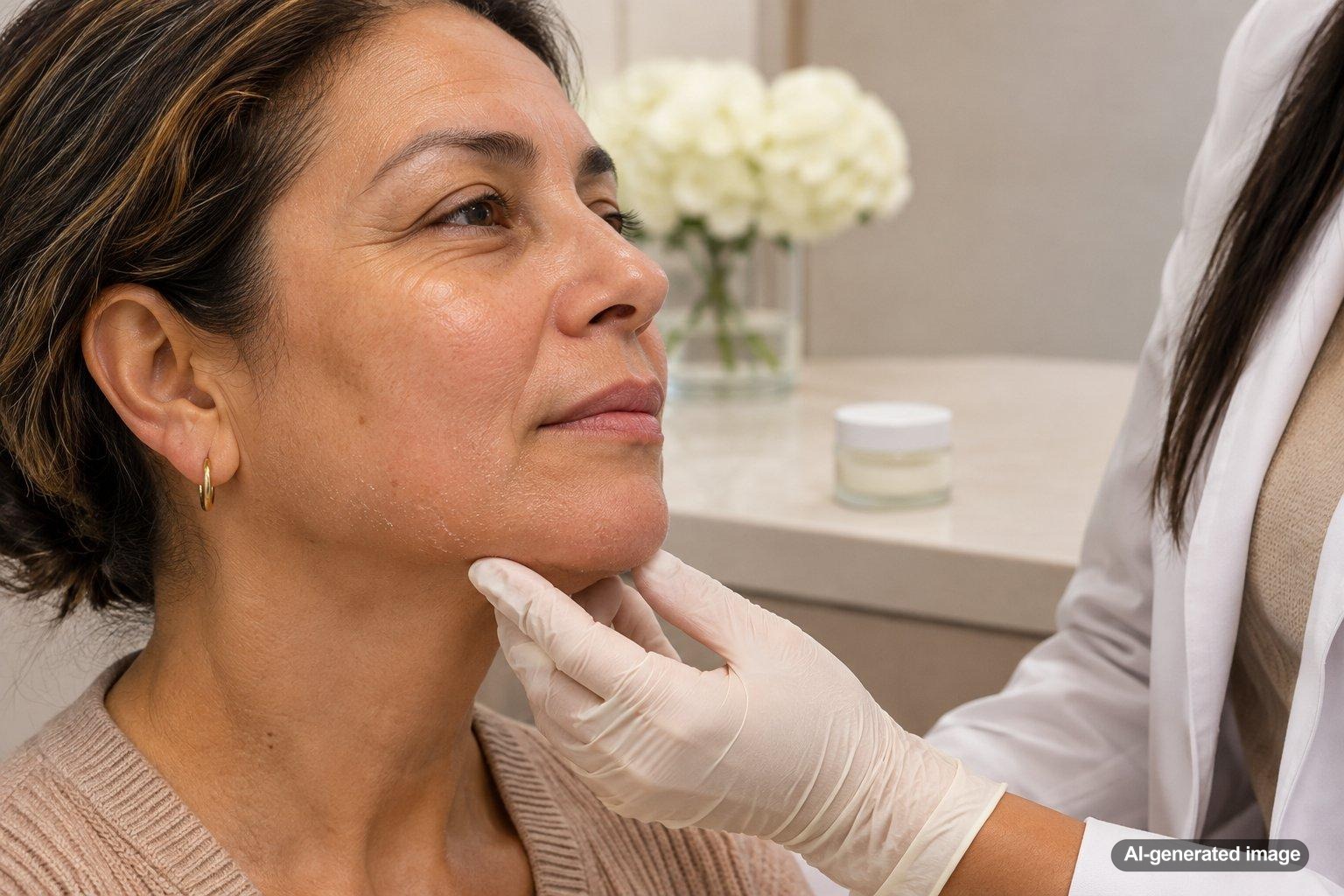
If your skin feels unusually tight after a chemical peel, the sensation is often related to temporary changes in the skin’s outermost layers. Chemical peels encourage exfoliation by using a carefully selected chemical solution, and the recovery process can involve dryness, reduced surface flexibility, and changes in how the skin retains moisture. Depending on the peel, your skin may feel stretched or uncomfortable even before visible peeling begins.
Mild tightness can be an expected part of recovery, particularly when it occurs alongside manageable dryness or light flaking. However, the intensity and duration of symptoms depend on the peel’s depth, the ingredients used, your skin’s baseline condition, and your aftercare routine. Understanding what causes the sensation can help you distinguish ordinary post-peel dryness from symptoms that deserve professional attention.
Quick Answer: Why Does Skin Feel Tight After a Chemical Peel?
Skin often feels tight after a chemical peel because the treatment temporarily changes the outer skin layers and can increase dryness while the treated surface recovers.
- Temporary moisture loss: Changes to the outer skin barrier may make the surface feel drier and less comfortable.
- Exfoliation: Treated surface cells begin loosening and shedding, which can create a stretched sensation.
- Surface changes: Dry, compacted, or peeling skin may feel less flexible during normal facial movements.
- Temporary sensitivity: Recently treated skin may react more noticeably to cleansing, temperature changes, and skincare products.
- Peel intensity: More intensive treatments can involve greater discomfort and a longer recovery period than superficial peels.
Mild tightness without significant pain or worsening inflammation is often less concerning than tightness accompanied by blistering, substantial swelling, increasing tenderness, or other unexpected symptoms.
What Happens to Your Skin During a Chemical Peel?
A chemical peel uses an exfoliating solution to produce a controlled effect on the skin. The depth of that effect depends on the chemical agents, their concentrations, application technique, exposure time, and characteristics of the skin being treated.
Superficial peels primarily affect the outermost skin layers. Medium-depth and deep peels reach farther into the skin and generally involve more substantial recovery requirements. Not every chemical peel produces visible sheets of peeling skin, and the absence of dramatic flaking does not necessarily indicate that the treatment was ineffective.
After treatment, the skin begins recovering from the controlled exfoliation. During this period, its surface may temporarily feel different from usual. Some people describe a slightly shiny, dry, or stretched sensation. Others notice tightness most prominently when smiling, talking, washing their face, or applying moisturizer.
The sensation does not automatically mean that the skin has been damaged beyond the intended treatment effect. Nevertheless, symptoms should remain consistent with the recovery expectations explained by the treating clinician.
Common Reasons Your Skin Feels Tight After a Chemical Peel
1. Temporary Changes in the Skin Barrier
The skin barrier is the protective outer structure that helps limit water loss and reduces exposure to environmental irritants. A chemical peel intentionally alters portions of the skin’s surface, and barrier function may be temporarily affected during recovery.
When the surface is less effective at retaining moisture, skin can feel dry, taut, or uncomfortable. This sensation may be more noticeable in people who already experience dryness or sensitivity.
Temporary barrier changes are one reason gentle aftercare is important. Adding additional exfoliating products immediately after a peel can increase irritation rather than improve the treatment experience.
2. Dryness During the Exfoliation Process
Chemical peels encourage the removal of treated surface cells. As these cells begin separating from the underlying skin, the outer layer may become dry or flaky.
Dry surface skin generally has less comfortable flexibility than adequately hydrated skin. Consequently, normal facial expressions may produce a pulling sensation, particularly around the mouth, cheeks, and forehead.
It is important not to scrub, pull, or manually remove peeling skin. Doing so can expose skin that is not ready to shed and may increase the likelihood of irritation, prolonged redness, or discoloration.
3. Temporary Inflammation and Sensitivity
Chemical exfoliation can produce a temporary inflammatory response. Depending on the treatment, this may involve mild redness, warmth, sensitivity, or swelling.
These changes can contribute to the perception of tightness, although pronounced swelling or escalating discomfort should not automatically be considered routine.
Someone experiencing substantial burning, progressive pain, or rapidly increasing swelling should contact the treating clinician rather than assuming the sensation is simply part of normal peeling.
4. The Depth and Strength of the Peel
Not all chemical peels have the same recovery profile. A light superficial peel may produce only mild dryness or limited visible flaking, while a more intensive peel can lead to noticeable crusting, peeling, tightness, and a longer healing period.
The specific solution matters, but the ingredient name alone does not determine how deeply a peel affects the skin. Concentration, formulation, application technique, and individual skin characteristics also influence the treatment response.
Your clinician’s instructions should take priority over generalized recovery advice because aftercare requirements can differ substantially between peel types.
5. Skincare Products That Are Too Harsh During Recovery
Even products that were comfortable before treatment may cause stinging or dryness afterward. Common examples include exfoliating acids, retinoids, abrasive cleansing products, and formulas containing irritating fragrances.
Overwashing or using very hot water can also make recently treated skin feel less comfortable.
Introducing several new products during recovery makes it harder to identify what is contributing to irritation. A simplified routine, selected according to your clinician’s instructions, is generally more appropriate than an elaborate skincare regimen immediately after a peel.
How Long Does Tightness After a Chemical Peel Usually Last?
The duration of skin tightness varies with the treatment and the individual’s recovery response. After some superficial peels, dryness and tightness may improve over several days. More intensive peels can involve longer periods of peeling, redness, and sensitivity, sometimes extending over weeks as the treated skin heals.
These are broad recovery patterns rather than personal healing predictions. Tightness may also fluctuate. For example, skin can feel relatively comfortable immediately after treatment and become drier as exfoliation progresses.
The more useful question is whether symptoms are following the recovery course described by your clinician. Gradually improving dryness is different from discomfort that becomes increasingly painful, inflamed, or difficult to tolerate.
If tightness persists beyond the expected recovery window for your particular peel, contact your treating professional for guidance.
What Can You Do at Home to Reduce Post-Peel Tightness?
Conservative aftercare focuses on protecting recovering skin and avoiding unnecessary irritation. The appropriate routine depends on the peel, so follow the instructions supplied by your treatment provider.
Use a Moisturizer Approved for Your Peel
A suitable moisturizer can help improve comfort by supporting surface hydration and reducing the dry sensation associated with recovery.
Simple, fragrance-free moisturizers are frequently appropriate for mild post-treatment dryness, but some chemical peels require specific ointments or carefully timed product application. For deeper peels, use only the wound-care products and procedures prescribed by the treating clinician.
Ingredients commonly found in gentle moisturizers include glycerin, ceramides, and petrolatum. Their suitability depends on the treatment and the condition of the skin, so do not assume that every moisturizer is appropriate immediately after every peel.
Keep Cleansing Gentle
When your clinician has cleared you to wash the treated area, use the recommended cleanser and water temperature. Avoid abrasive washcloths, cleansing brushes, and vigorous rubbing.
Patting the skin gently rather than repeatedly rubbing it may reduce unnecessary friction. If cleansing produces significant stinging, ask your clinician whether your routine needs adjustment.
Pause Additional Exfoliation
Recovering skin generally does not benefit from additional exfoliating scrubs, at-home peels, or aggressive resurfacing products.
Retinoids, alpha hydroxy acids, beta hydroxy acids, and other potentially irritating ingredients may need to be temporarily withheld. Your treatment provider can explain when it is appropriate to resume them.
Restarting active products too early can make tightness and irritation more noticeable, even when those same products are well tolerated under ordinary circumstances.
Protect Your Skin From Sun Exposure
Recently exfoliated skin may be particularly vulnerable to sun-related irritation and unwanted pigmentation changes.
Follow your clinician’s guidance about sunscreen, protective clothing, hats, and avoiding direct sun exposure while healing. Broad-spectrum sunscreen with SPF 30 or higher is generally recommended for routine sun protection once appropriate for the treated skin, but freshly treated or compromised areas may require individualized instructions.
In Fort Lauderdale, strong sunlight, outdoor dining, beach activities, and time spent near the water can make consistent sun protection especially important. Visitors planning a chemical peel should consider their outdoor itinerary when discussing treatment timing.
Avoid Picking at Flaking Skin
Visible peeling can be tempting to remove, especially when dry edges appear around the nose or mouth. However, manually lifting attached skin may create additional irritation and uneven healing.
Allow the surface to shed naturally. If peeling interferes with daily comfort, ask your clinician which moisturizing or protective measures are appropriate.
Should You Moisturize More Often When Your Skin Feels Tight?
Moisturizing may improve comfort, but applying products more frequently is not always the correct approach. The answer depends on your specific peel and the post-treatment instructions you received.
For some superficial peels, regular application of a gentle moisturizer helps manage dryness. Other treatments require a particular recovery regimen, including the timing and type of protective ointment used.
If an approved moisturizer provides temporary comfort but the skin quickly becomes tight again, it may simply reflect ongoing surface dryness. However, repeated burning, new redness, or worsening irritation after application warrants a discussion with your treatment provider.
Avoid layering numerous serums, facial oils, and active ingredients in an attempt to eliminate tightness immediately. More products do not necessarily produce more comfortable recovery.
Is Tightness a Sign That the Chemical Peel Is Working?
Not necessarily. Tightness can accompany the exfoliation and recovery process, but it is not a reliable measurement of treatment effectiveness.
A peel can produce an intended effect without causing pronounced tightness, visible flaking, or discomfort. Likewise, unusually intense tightness does not mean the treatment is delivering better results.
The goals of a chemical peel may include improving the appearance of uneven texture, discoloration, or certain superficial skin concerns. Whether a particular peel is appropriate depends on the skin condition, treatment depth, and individualized assessment.
Evaluating a chemical peel based on how much the skin hurts or peels can be misleading. Treatment response and longer-term outcomes are better discussed with the clinician who performed the procedure.
Professional Options for Persistent Post-Peel Tightness
When dryness or tightness becomes difficult to manage, a qualified skin professional can review the treatment details and your current skincare routine.
Depending on the symptoms, professional guidance may involve:
- Reviewing aftercare: Identifying cleansing habits or skincare ingredients that may be increasing dryness.
- Adjusting moisturizing products: Selecting an appropriate barrier-supportive product for the type of peel performed.
- Evaluating irritation: Determining whether redness, tenderness, or swelling is consistent with the expected recovery process.
- Reassessing future treatment plans: Considering skin sensitivity, peel depth, and recovery experiences before scheduling additional exfoliation.
- Dermatologist evaluation: Assessing persistent or concerning symptoms that may require medical management.
At Waverly DermSpa, we offer Chemical Peels and can help you understand whether they may be appropriate.
For people with sensitive skin or a history of difficult post-treatment recovery, discussing previous reactions before the next procedure can help guide treatment selection and aftercare planning.
When Should You Contact a Dermatologist After a Chemical Peel?
Mild dryness and tightness may occur after treatment, but certain symptoms call for prompt professional assessment rather than continued home experimentation.
Contact your treating clinician if you experience:
- Increasing pain, pronounced burning, or significant tenderness rather than gradual improvement.
- Unexpected blistering, open areas, or extensive skin breakdown.
- Substantial swelling or redness that spreads or continues to intensify.
- Drainage, pus, unpleasant odor, fever, or other symptoms that raise concern about infection.
- New or worsening patches of unusual discoloration.
- Tightness or irritation that continues beyond the expected recovery period for your treatment.
Significant swelling involving the eyes or rapidly worsening symptoms should receive urgent medical assessment. Difficulty breathing or swelling affecting the mouth or throat requires emergency care.
These symptoms are not a reason to assume a particular diagnosis. They are reasons to have the skin evaluated so the appropriate next steps can be determined.
Frequently Asked Questions
Is it normal for my face to feel tight but not peel after a chemical peel?
Yes, tightness can occur without obvious flaking, especially after a superficial peel. Visible peeling varies among individuals and treatments. The absence of noticeable skin shedding does not necessarily indicate an unsuccessful procedure.
Why does my skin feel tighter when I smile after a chemical peel?
Facial movement stretches the outer skin surface. When that surface is temporarily dry or undergoing exfoliation, smiling and talking may make the tight sensation more noticeable. Increasing pain, cracking, or pronounced inflammation should be discussed with your clinician.
Can I use hyaluronic acid when my skin feels tight after a chemical peel?
Some simple hydrating products containing hyaluronic acid may be suitable during recovery, but not every formula is appropriate for freshly treated skin. Additional active ingredients, fragrances, and the peel’s depth can affect tolerability. Ask your treatment provider before introducing a new serum.
Does drinking more water help skin tightness after a chemical peel?
Normal hydration supports general health, but drinking additional water does not directly reverse the temporary surface changes caused by a chemical peel. Appropriate topical aftercare and avoiding irritants are usually more relevant to post-treatment skin comfort.
Can I apply makeup if my skin feels tight after a chemical peel?
The appropriate time to resume makeup depends on the peel and the skin’s recovery. Some superficial peels allow an earlier return to cosmetics than medium-depth or deep treatments. Follow your clinician’s instructions and avoid applying makeup over open, irritated, or incompletely healed areas unless specifically advised.
Will my skin always feel tight after future chemical peels?
Not necessarily. Recovery experiences can vary even when the same person undergoes multiple treatments. Peel formulation, treatment depth, baseline skin condition, seasonal dryness, and aftercare may all influence how the skin feels afterward. Discuss previous reactions before another treatment.
The Bottom Line
Skin tightness after a chemical peel commonly reflects temporary dryness, surface exfoliation, and changes in the protective skin barrier. Mild symptoms may improve as the skin recovers, but the expected course depends on the treatment’s depth and your individual response.
Gentle cleansing, appropriate moisturizing, sun protection, and avoiding additional exfoliation can support a more comfortable recovery when these measures align with your clinician’s instructions. Persistent discomfort or worsening symptoms deserve professional evaluation rather than attempts to accelerate peeling at home.
Ready to get help?
Schedule an appointment or send a message and our team will get back to you.
Prefer to call? 954-666-3736
Disclaimer
This article is for educational purposes and is not medical advice. For diagnosis and personalized treatment, please book an appointment with a board-certified dermatologist.
