

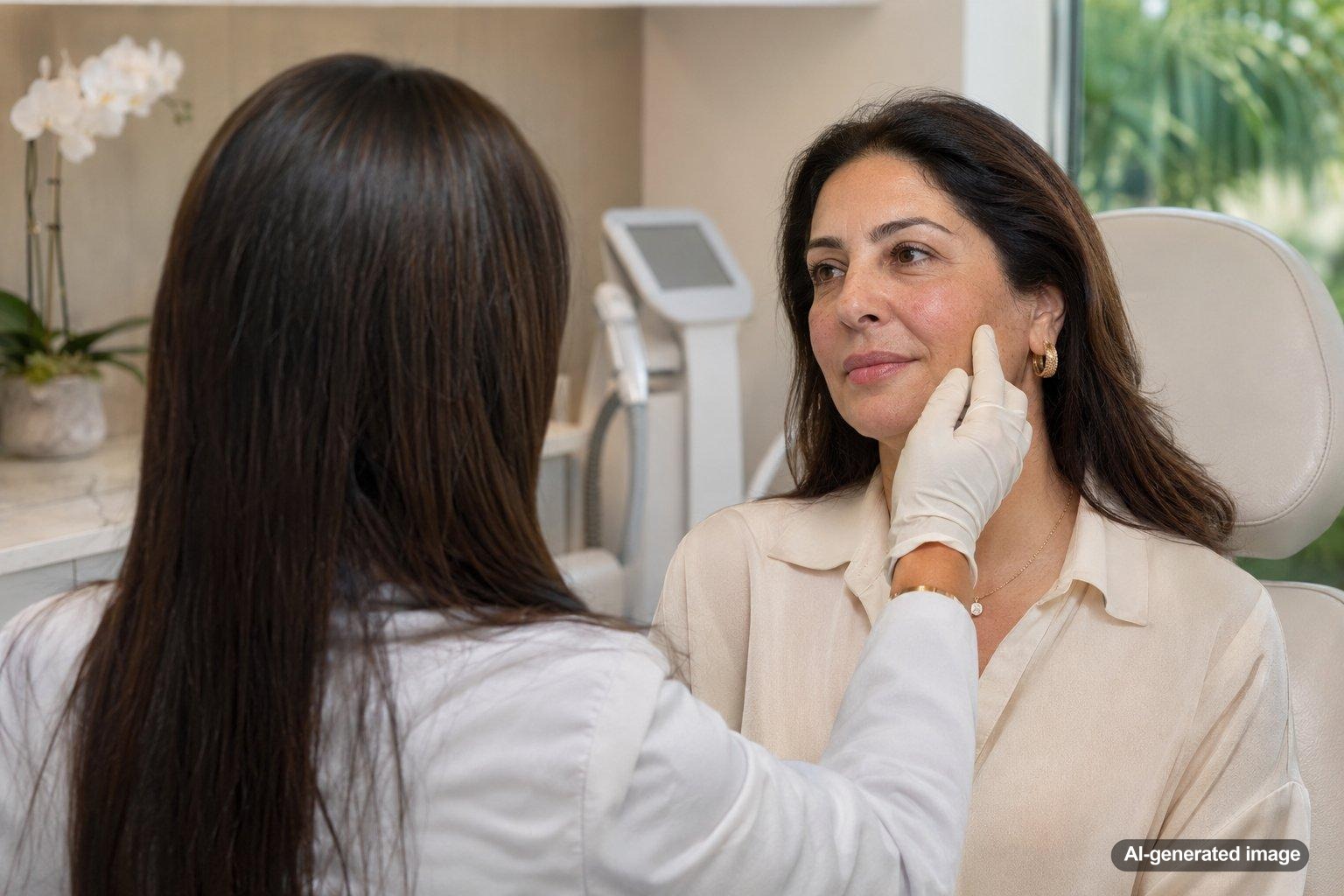
Yes, radiofrequency microneedling can cause temporary swelling. Mild puffiness is one possible response to a procedure that combines tiny needle punctures with controlled radiofrequency energy delivered into the skin. The treatment intentionally creates a localized tissue response, so some redness, warmth, tenderness, or swelling afterward is not necessarily unexpected.
Still, every person’s recovery is different. The amount of swelling can depend on the area treated, treatment settings, individual skin sensitivity, and other factors. Understanding what may be expected, how to care for recently treated skin, and which changes deserve medical attention can make the recovery period easier to navigate.
Quick Answer: Is Swelling Normal After RF Microneedling?
- Mild swelling can occur: Temporary puffiness may accompany redness or tenderness after treatment.
- Recovery varies: Some people notice little swelling, while others experience more visible changes.
- Certain areas may look puffier: Delicate facial regions can make even modest swelling more noticeable.
- Gentle aftercare matters: Following the treating clinician’s instructions helps protect recovering skin.
- Progressive or unusual swelling needs attention: Severe pain, increasing redness, fever, or other concerning symptoms should prompt medical evaluation.
Why Can Radiofrequency Microneedling Cause Swelling?
Radiofrequency microneedling uses fine needles to deliver radiofrequency energy beneath the skin’s surface. The combination of controlled mechanical injury and thermal energy is intended to stimulate tissue remodeling and support changes in skin texture or firmness over time.
The body’s response to this controlled treatment includes a temporary inflammatory process. Blood flow and fluid movement within the treated tissue can change as the skin begins recovering. This may produce visible puffiness, warmth, or a slightly tight sensation.
Swelling is not evidence that a treatment was especially effective, nor does its absence mean that the procedure did not work. It is simply one possible part of the skin’s response.
What Factors Can Influence Swelling?
Several variables can affect how much swelling appears after a session. These include:
- Treatment intensity: Needle depth, radiofrequency energy settings, and the treatment approach can influence the tissue response.
- Treatment location: Areas with delicate tissue, such as portions of the face, may show puffiness more readily.
- Individual sensitivity: People differ in how their skin responds to inflammation and cosmetic procedures.
- Extent of treatment: A larger treatment area or multiple treated regions may produce a different recovery experience than a small localized session.
- Existing skin conditions: Irritation, barrier disruption, or certain underlying medical conditions may affect treatment planning and recovery.
- Aftercare habits: Heat exposure, friction, and products that irritate recovering skin may contribute to discomfort.
A dermatologist can consider these factors before treatment and explain what recovery may reasonably involve for a particular patient.
How Long Can Swelling Last After RF Microneedling?
Temporary swelling may become noticeable soon after the procedure, sometimes alongside redness and a warm or sunburn-like sensation. For some patients, visible puffiness improves over the first several days. Others may experience a different recovery pattern depending on the procedure and individual response.
There is no single recovery timeline that applies to every radiofrequency microneedling treatment. Standard microneedling and radiofrequency-assisted microneedling also differ in how energy is delivered to tissue, so recovery expectations should not automatically be treated as identical.
It is helpful to ask the treating clinician what level and duration of swelling would be reasonable for the specific device, treatment area, and settings used. Swelling that becomes more pronounced, persists beyond the expected recovery period, or develops with other concerning symptoms should be assessed rather than dismissed as routine.
What Can You Do at Home During Recovery?
Aftercare should always follow the instructions provided by the professional who performed the procedure. General skin-supportive measures may include:
- Keep skincare simple: Use only cleansers, moisturizers, and other products approved by your treating clinician.
- Avoid unnecessary friction: Rubbing, scrubbing, or exfoliating recently treated skin can increase irritation.
- Limit excess heat: Ask when it is appropriate to resume saunas, hot environments, and strenuous exercise.
- Protect recovering skin from sunlight: Follow your clinician’s recommendations for shade, sun avoidance, and the timing of sunscreen application.
- Be cautious with active ingredients: Retinoids, exfoliating acids, and other potentially irritating products may need to be paused temporarily according to your aftercare plan.
- Ask before applying cold products: If cooling measures are recommended, use the method and duration specified by your clinician rather than placing ice directly against treated skin.
Avoid introducing unfamiliar products or attempting aggressive home remedies while the skin is recovering. If you are uncertain whether a particular product or activity is appropriate, contact your treatment provider.
How Is Expected Puffiness Different From a Concerning Reaction?
Mild, localized puffiness accompanied by manageable tenderness may be consistent with an ordinary post-treatment response, particularly when symptoms are improving and match the clinician’s recovery guidance.
However, not every change after treatment should be attributed to routine inflammation. An unusually strong or worsening reaction can require an examination to identify the cause.
The U.S. Food and Drug Administration has highlighted potential serious complications associated with certain uses of radiofrequency microneedling. These concerns are distinct from mild temporary swelling and reinforce the importance of appropriate professional training, patient selection, treatment settings, and follow-up.
Because symptoms can overlap, photographs and written descriptions alone may not reliably distinguish routine recovery from a complication. A dermatologist can assess the skin directly when necessary.
What Professional Options Are Available if Swelling Is Unexpected?
When swelling falls outside the expected recovery pattern, professional evaluation is more useful than experimenting with additional skincare products. A dermatologist may review when symptoms began, which areas were treated, the device and settings used, and whether the skin has developed changes beyond puffiness.
Depending on the findings, appropriate care may involve observation, modifications to the skincare routine, follow-up examinations, or medical management of an identified complication. The correct approach depends on an individual assessment rather than swelling alone.
Before undergoing another treatment session, patients who experienced an unusual reaction should discuss that history with their dermatologist. Changes to treatment planning may be appropriate, but they require individualized clinical judgment.
At Waverly DermSpa, we offer Morpheus8 and can help you understand whether it may be appropriate.
When Should You See a Dermatologist?
Contact your treating clinician promptly if swelling is increasing instead of improving, becomes unusually pronounced, or occurs with symptoms that were not included in your recovery expectations.
Other reasons to seek medical assessment include:
- Increasing pain, redness, or warmth rather than gradual improvement.
- Blistering, unusual discoloration, or areas that appear burned.
- Drainage, fever, or other possible signs of infection.
- New numbness, weakness, or an unexpected change in sensation.
- Persistent or progressively worsening swelling.
Difficulty breathing, swelling of the tongue or throat, or other signs of a severe allergic reaction require immediate emergency medical attention.
It is also reasonable to contact your dermatologist whenever recovery feels substantially different from what was explained before the procedure. Early communication allows concerning changes to be assessed without unnecessary delay.
Frequently Asked Questions
Can RF microneedling make my face look puffy the next day?
Yes. Some people notice temporary facial puffiness during the early recovery period. The appearance and duration can vary. If swelling is severe, increasing, or unexpected, contact the treating clinician.
Does swelling mean radiofrequency microneedling is working?
No. Swelling reflects a tissue response and does not reliably predict the cosmetic outcome. The amount of swelling should not be used to judge whether a treatment was successful.
Can I wear makeup while my skin is swollen?
Follow the specific instructions provided by your clinician. Recently treated skin may be more sensitive, and applying makeup too soon can introduce irritation. Ask when makeup can safely be resumed for your particular procedure.
Is swelling worse after RF microneedling than regular microneedling?
Not necessarily. Radiofrequency microneedling adds controlled thermal energy, but the actual recovery response depends on device settings, treatment technique, location, and personal factors. A dermatologist can explain the differences most relevant to your treatment plan.
Should I take medication to reduce swelling?
Do not begin or change medication solely to manage post-procedure swelling without consulting your healthcare professional. Some medicines may not be appropriate around certain procedures or for certain patients.
Can I have another RF microneedling session if I experienced swelling?
Temporary mild swelling does not automatically rule out future treatment. However, a dermatologist should review any significant or unusual reaction before deciding whether another session is appropriate.
Ready to get help?
Schedule an appointment or send a message and our team will get back to you.
Prefer to call? 954-666-3736
Disclaimer
This article is for educational purposes and is not medical advice. For diagnosis and personalized treatment, please book an appointment with a board-certified dermatologist.
Sources & further reading
- Cleveland Clinic – Radio Frequency (RF) Microneedling
- U.S. Food and Drug Administration (FDA) – Microneedling Devices
- American Academy of Dermatology (AAD) – Microneedling can fade scars, uneven skin tone, and more
