

The most common sunscreen mistake is not choosing the wrong brand or texture. It is assuming one morning application will protect your skin all day.
In Fort Lauderdale, where strong sun, beach days, boating, outdoor dining, golf, and travel are part of daily life, sunscreen needs to be treated as something you refresh, not something you check off once. A beautiful formula matters, but consistency matters more. The goal is not perfection. It is a simple, repeatable habit that helps protect your skin from sunburn, discoloration, premature skin aging, and UV-related damage.
Quick answer
- The #1 sunscreen mistake is not reapplying often enough.
- Many people apply sunscreen in the morning, then spend hours outdoors without refreshing it.
- Reapply at least every two hours when outdoors, and sooner after swimming or sweating.
- Use a broad-spectrum sunscreen and apply enough to cover exposed skin.
- Sunscreen works best as part of a broader routine that includes shade, hats, sunglasses, and protective clothing.
1. Forgetting to reapply sunscreen
Sunscreen is not a one-and-done product. It can wear away, rub off, shift with sweat, or be reduced by swimming, toweling, and everyday movement. That means the protection you applied before breakfast may not be the protection you still have by lunch, especially during a bright Florida day.
A practical approach is to reapply sunscreen at least every two hours when you are outdoors. Reapply sooner if you are swimming, sweating, exercising, drying your skin with a towel, or spending extended time in direct sun. This applies even when the product is labeled water-resistant. Water-resistant does not mean waterproof, and it does not remove the need to reapply.
Reapplication is also where many polished skincare routines fall apart. People often do well with morning skincare, but hesitate to disturb makeup, forget during social plans, or leave sunscreen behind in a hotel room, golf bag, beach tote, or car. Keeping a travel-size option nearby can make the habit easier. For the face, some people prefer a lotion in the morning and a sunscreen stick, powder, or mist for touch-ups, though the product still needs to be applied generously and evenly.
For daily life in South Florida, think of sunscreen the way you think of hydration. It is most helpful when it stays accessible. Keep it by your door, in your bag, near your outdoor gear, and anywhere you are likely to need it before sun exposure.
What makes reapplication so important?
UV exposure accumulates over time. A short walk, a quick drive, lunch outside, a pool afternoon, or a few errands can all add up. Sunscreen can help lower exposure when used correctly, but it is most dependable when the application is consistent and refreshed.
Reapplication is especially important for areas people commonly miss or under-apply, including the ears, hairline, neck, chest, tops of the hands, shoulders, lips, and tops of the feet. These areas often receive substantial sun exposure but do not always get the same attention as the center of the face.
How to make sunscreen easier to use every day
- Choose a broad-spectrum sunscreen that feels comfortable enough to use regularly.
- Look for SPF 30 or higher for everyday exposed skin.
- Apply sunscreen before outdoor exposure, not after your skin already feels hot.
- Use enough product to cover exposed areas evenly.
- Set a phone reminder when you know you will be outside for more than two hours.
- Pair sunscreen with a wide-brimmed hat, sunglasses, shade, and sun-protective clothing.
- Check expiration dates and replace products that are expired or have changed in smell, color, or texture.
What about makeup with SPF?
Makeup with SPF can be helpful, but it should not be your only plan for meaningful sun protection. Most people do not apply enough foundation, tint, or powder to get the labeled SPF level across all exposed skin. A better strategy is to use a dedicated sunscreen as your base layer, then apply makeup over it if desired.
For touch-ups, SPF powders, sticks, and sprays can be convenient, especially over makeup. The key is to use them carefully and generously. A quick pass may not provide even coverage. For sprays and mists, avoid inhaling the product and follow the label directions.
When sunscreen needs extra support
Sunscreen is important, but it is not a complete shield. Shade, clothing, hats, and sunglasses matter, especially during long outdoor exposure. This is particularly relevant for people with a history of sunburns, frequent outdoor activity, melasma, hyperpigmentation, sensitive skin, or a personal or family history of skin cancer.
If you notice a new, changing, bleeding, painful, or non-healing spot, it is worth scheduling a dermatology evaluation. Sunscreen is preventive support, not a substitute for checking concerning lesions or having a skin exam when something does not look right.
Professional guidance can help
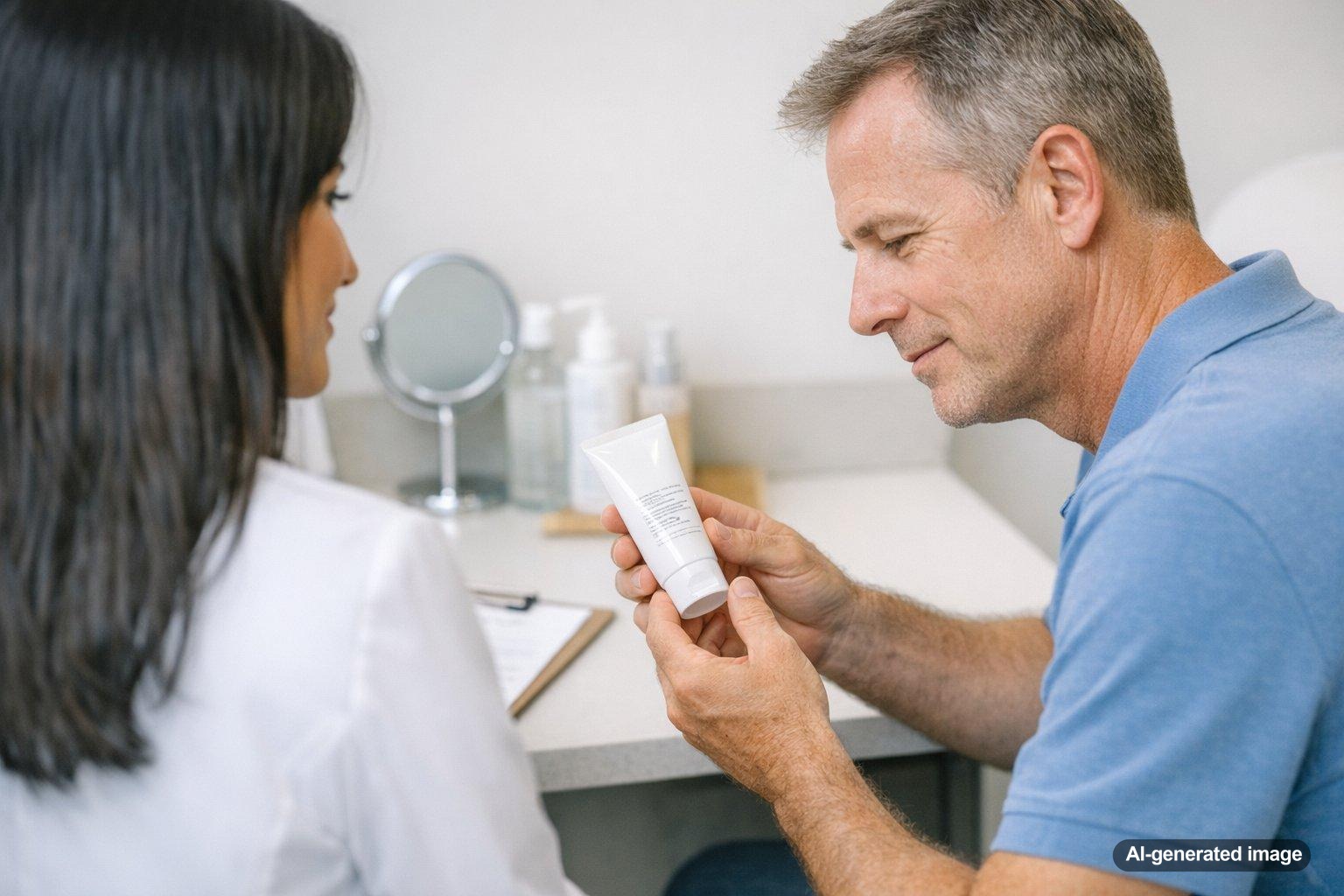
A dermatologist can help you choose a sunscreen style that fits your skin type, lifestyle, and concerns, whether you are dealing with acne-prone skin, rosacea-prone sensitivity, melasma, post-procedure care, or frequent sun exposure. The best sunscreen is usually the one you can apply correctly and keep using.
At Waverly DermSpa, we can help you understand whether your current sun protection routine is appropriate for your skin, your goals, and your time outdoors.
FAQ
Do I need sunscreen if I am only outside for a short time?
Yes, it can still be useful. Brief exposure can add up, especially in sunny climates. Daily sunscreen on exposed skin is a practical baseline habit.
Should I reapply sunscreen if I am not swimming?
Yes. Sunscreen can still wear down with sweat, friction, and time outdoors. Reapply at least every two hours when outside.
Is higher SPF enough to skip reapplication?
No. A higher SPF does not make sunscreen last all day. Reapplication still matters, particularly during extended outdoor activity.
Can sunscreen help with dark spots?
Consistent sun protection may help reduce UV exposure that can contribute to the appearance of dark spots and uneven tone. For melasma or persistent hyperpigmentation, a dermatologist can help tailor a plan.
What should I do if sunscreen irritates my skin?
Try a different formula and consider asking a dermatologist for guidance. Sensitive skin may do better with certain textures, mineral filters, fragrance-free options, or a simplified routine.
Ready to get help?
Schedule an appointment or send a message and our team will get back to you.
Prefer to call? 954-666-3736
Disclaimer
This article is for educational purposes and is not medical advice. For diagnosis and personalized treatment, please book an appointment with a board-certified dermatologist.
Sources & further reading
- American Academy of Dermatology (AAD) – Sunscreen FAQs
- U.S. Food and Drug Administration (FDA) – Sunscreen: How to Help Protect Your Skin from the Sun
- The Skin Cancer Foundation – Sunscreen
