

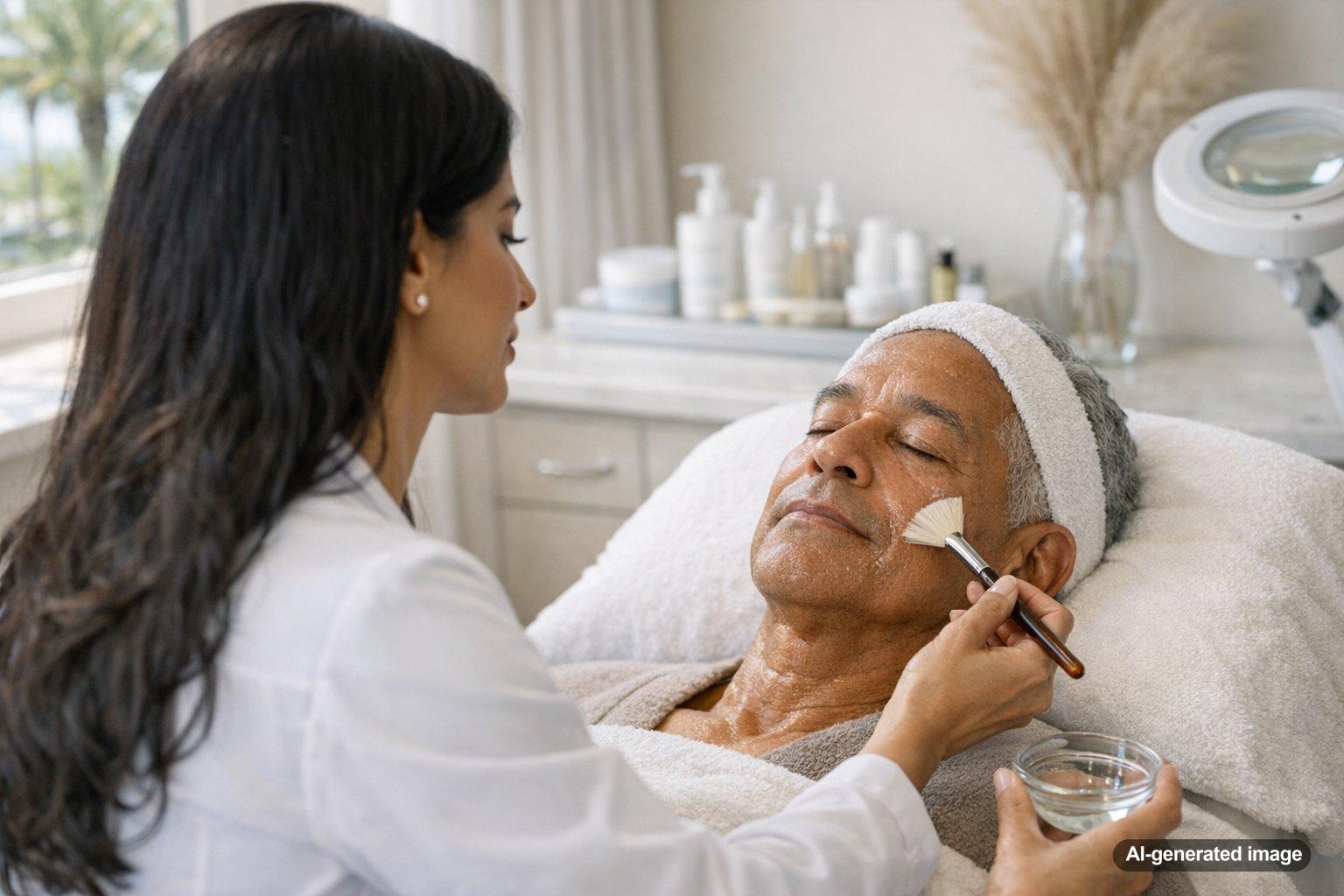
Chemical peels can sound intense if you have never had one before, but many treatments are more straightforward than people expect. In simple terms, a chemical peel uses a carefully selected solution to exfoliate the skin in a controlled way, which may help improve tone, texture, and overall brightness.
What your appointment and recovery look like depends on the type of peel, your skin goals, and how sensitive your skin tends to be. Some peels involve mild flaking and very little downtime, while others can lead to a more noticeable peeling phase. A thoughtful consultation helps set realistic expectations and choose an approach that fits your skin.
Quick answer
- Chemical peels remove damaged surface cells in a controlled way to refresh the skin.
- Treatment day often involves cleansing, application of the peel solution, and a brief period of tingling or warmth.
- Recovery can range from light dryness to more visible peeling, depending on peel depth.
- Sun protection and gentle skincare matter before and after treatment.
- A dermatologist or skincare professional can help decide which peel may be appropriate for your goals and skin type.
What a chemical peel is
A chemical peel is an in-office skin treatment that uses exfoliating acids or other peeling agents to encourage the outer layers of skin to shed more evenly. This process may help soften the look of dullness, uneven tone, rough texture, mild acne marks, and some early signs of sun damage. Peels are not all the same. They vary in strength, ingredients, and how deeply they work.
You may hear peels described as superficial, medium, or deeper treatments. Superficial peels usually focus on the outermost layer of skin and often involve less downtime. Medium-depth options can create a stronger response and typically require more recovery. The right choice depends on your skin history, daily routine, sensitivity, and what you are hoping to improve.
Common reasons people choose chemical peels
- Skin that looks dull or feels rough
- Uneven tone or post-acne discoloration
- Fine lines or sun-related texture changes
- Breakouts or congestion in some cases
- A desire for smoother, brighter-looking skin
What to expect during your appointment
Your visit usually starts with a consultation and skin assessment. The skin is then cleansed to remove oil, sunscreen, and makeup so the peel can be applied evenly. Once the solution is placed on the skin, many people notice tingling, warmth, or a stinging sensation for a short period. The exact feel depends on the formula and your skin’s sensitivity.
Some peels are neutralized and removed during the visit, while others are designed to remain on the skin for a set period based on your clinician’s instructions. Afterward, your skin may look pink, feel tight, or seem a little more reactive than usual. That does not automatically mean something is wrong. It is simply part of how many peels work. Your provider should review aftercare clearly before you leave.
Common causes or triggers that affect your experience
- Peel strength and type
- Your skin tone and overall sensitivity
- Whether you use retinoids, exfoliants, or acne products
- Recent sun exposure or a compromised skin barrier
- Your history of irritation, cold sores, or pigment changes after inflammation
What recovery may look like
Recovery is one of the biggest variables with chemical peels. A lighter peel may leave you looking a bit pink or feeling dry for a few days, with only subtle flaking. A stronger peel may lead to more visible peeling, tightness, and a temporary feeling of dryness or sensitivity. It is also common for the skin to look worse before it looks fresher, simply because shedding takes time.
It is important not to pick, scrub, or rush the process. Pulling at peeling skin can increase irritation and may raise the risk of uneven healing. Many people notice that gentle cleansing, bland moisturizers, and careful sun protection make recovery more manageable.
What you can do at home
Think of aftercare as part of the treatment, not an afterthought. Keep skincare simple while your skin recovers. A gentle cleanser, a plain moisturizer, and broad-spectrum sunscreen are usually the basics. It is often smart to pause strong exfoliants, retinoids, and potentially irritating active ingredients until your clinician says it is reasonable to restart them.
Try to avoid heat, intense workouts, picking at flakes, and unnecessary friction right after treatment. Sun exposure can be especially frustrating after a peel because healing skin is more vulnerable. Wide-brim hats, shade, and consistent sunscreen use can help protect your results.
Professional options
Professional options include lighter peels for gentle refreshment, more targeted peels for uneven tone or acne-related concerns, and stronger in-office treatments when a deeper approach is appropriate. Sometimes a peel is used on its own, and sometimes it is part of a broader plan that may include prescription skincare, pigment management, acne care, or texture-focused treatments.
If you have melasma, sensitive skin, deeper skin tones, or a history of post-inflammatory hyperpigmentation, customization matters. Your clinician can help you decide whether a peel is the right fit, whether a gentler strategy makes more sense, or whether another treatment category may better match your goals.
When to see a dermatologist
It is worth seeing a dermatologist if you are not sure which peel is appropriate, if you have a history of strong reactions, or if you are dealing with stubborn pigmentation, frequent breakouts, or redness that does not settle down. You should also seek guidance if you are pregnant or nursing, prone to cold sores, using prescription skin medications, or concerned about how your skin heals after irritation.
After a peel, check in promptly if you develop severe swelling, significant discomfort, blistering, signs of infection, or lingering irritation that feels out of proportion to what you were told to expect. A careful evaluation can help prevent small issues from becoming bigger ones.
FAQ
Do chemical peels hurt?
Many people describe the feeling as tingling, warmth, or stinging rather than true pain. The sensation and intensity depend on the peel formula and your skin’s sensitivity.
How long does peeling last?
That varies. Some people have little to no visible peeling, while others peel for several days. The timing depends on the type of peel and your individual skin response.
Can I wear makeup after a chemical peel?
That depends on the peel and your clinician’s instructions. Some people can return to makeup fairly quickly, while others are advised to wait until the skin is less reactive.
Are chemical peels only for the face?
No. In some cases, peels may also be used on areas like the neck, chest, back, or hands, depending on the concern being treated and the product selected.
Will one chemical peel fix everything?
Usually not. Some people notice a nice refresh after one treatment, but many concerns respond best to a series or to a broader treatment plan built around your skin goals.
At Waverly DermSpa, we offer Chemical Peels and can help you understand whether it may be appropriate.
Ready to get help?
Schedule an appointment or send a message and our team will get back to you.
Prefer to call? 954-666-3736
This article is for educational purposes and is not medical advice. For diagnosis and personalized treatment, please book an appointment with a board-certified dermatologist.
