

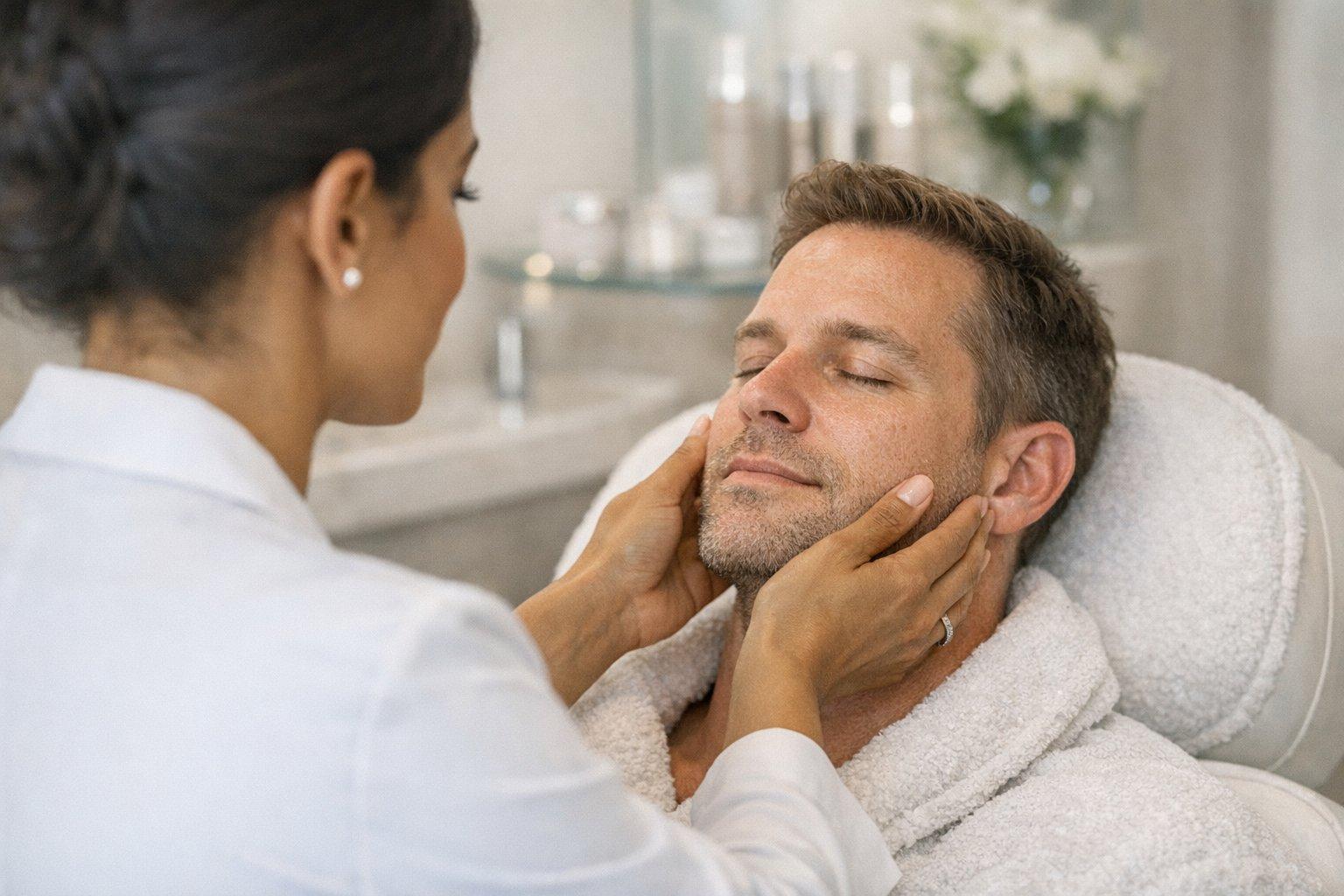
For years, “anti-aging” has been the dominant message in skincare. It often focuses on reversing visible changes rather than understanding why they happen in the first place. A newer approach, sometimes called skin longevity, shifts that focus. Instead of chasing quick fixes, it centers on maintaining healthy, resilient skin at the cellular level over time.
This approach is quieter, more consistent, and grounded in long-term thinking. It emphasizes supporting the skin’s natural functions so it can age in a more balanced and predictable way.
Quick answer
- Skin longevity focuses on maintaining healthy skin cells, not just reducing wrinkles
- It prioritizes consistency, protection, and repair over aggressive treatments
- Barrier health and sun protection are foundational
- Professional treatments are used strategically, not excessively
- The goal is resilient, functional skin over time
What is the skin longevity approach?
Skin longevity is a preventative, maintenance-based philosophy. Instead of reacting to changes after they appear, it supports the underlying systems that keep skin functioning well. This includes collagen production, hydration balance, barrier integrity, and cellular turnover.
Rather than asking how to “erase” signs of aging, the question becomes how to help skin stay strong, adaptable, and efficient for as long as possible.
Common contributors to accelerated skin aging
- Chronic sun exposure without consistent protection
- Barrier disruption from over-exfoliation or harsh products
- Environmental stressors like pollution and heat
- Inconsistent skincare routines
- Natural declines in collagen and cellular turnover over time
What you can do at home
A skin longevity routine does not need to be complicated. It tends to be consistent, thoughtful, and focused on supporting the skin rather than overwhelming it.
- Prioritize daily sun protection: Broad-spectrum sunscreen helps reduce cumulative damage
- Support the barrier: Use gentle cleansers and moisturizers that help maintain hydration
- Introduce active ingredients carefully: Retinoids, antioxidants, and peptides may support long-term skin function when used appropriately
- Avoid over-treatment: More is not always better, especially with exfoliating acids or scrubs
- Stay consistent: Small, steady habits tend to matter more than occasional intensive routines
Professional options
In-office treatments can complement a longevity-focused routine when used strategically. These are typically selected to support collagen, improve texture, and maintain skin quality over time.
Common categories include light-based treatments, microneedling, and gentle resurfacing options. A dermatologist or trained provider can help determine what may align with your goals and skin type.
At Waverly DermSpa, we offer Clear + Brilliant Touch and can help you understand whether it may be appropriate.
When to see a dermatologist
- Changes in moles or new growths
- Persistent redness, irritation, or breakouts
- Sudden shifts in skin texture or sensitivity
- Questions about starting prescription-strength treatments
- Uncertainty about how to build an effective routine
If you are unsure, it is worth getting checked so you can move forward with clarity.
FAQ
Is skin longevity the same as anti-aging?
Not exactly. Anti-aging often focuses on visible correction, while skin longevity emphasizes maintaining healthy skin function over time.
Do I still need active ingredients?
Yes, but they are typically used in a balanced way. The goal is to support the skin, not overwhelm it.
At what age should I start thinking about skin longevity?
Many people begin in their 20s or 30s, but it is never too early or too late to focus on healthy skin habits.
Can treatments replace a good routine?
Not usually. Professional treatments tend to work best when paired with consistent daily care.
What matters most for long-term skin health?
Sun protection, barrier support, and consistency are often the most important factors.
Ready to get help?
Schedule an appointment or send a message and our team will get back to you.
Prefer to call? 954-666-3736
Disclaimer
This article is for educational purposes and is not medical advice. For diagnosis and personalized treatment, please book an appointment with a board-certified dermatologist.
