

Intro
Winter can be tough on your skin, especially your hands. The combination of cold air and indoor heating can leave your hands feeling dry, tight, and cracked. Fortunately, there are simple steps you can take to protect your skin and keep your hands soft and smooth throughout the season.
In this article, we’ll explore the causes of cracked skin, how you can prevent it at home, and when it might be time to see a dermatologist.
1. Understanding the Causes of Cracked Skin
Cracked skin often occurs in winter due to the loss of moisture in the skin. Cold air strips the skin of its natural oils, while indoor heating further dries it out. This can lead to dryness, redness, and cracks. Additionally, frequent washing of hands or using harsh soaps can strip moisture and exacerbate dryness.
2. What You Can Do at Home
To help keep your hands hydrated and prevent cracked skin, consider incorporating the following steps into your daily routine:
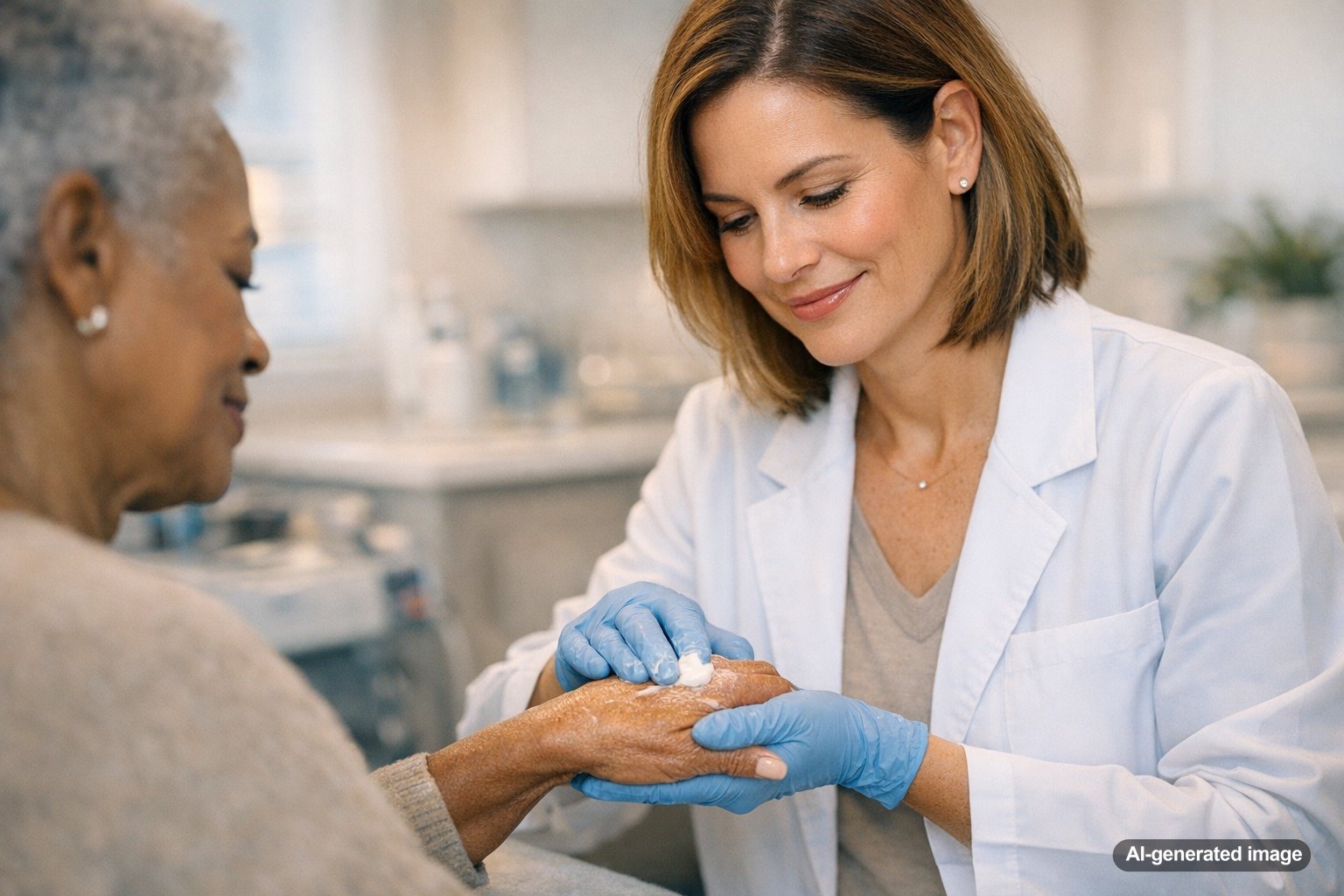
- Apply a rich moisturizer regularly, especially after washing your hands.
- Use a humidifier in your home to add moisture to the air.
- Avoid washing your hands with hot water, as this can dry out your skin further.
- Wear gloves when going outside to protect your hands from the cold.
3. Professional Options for Severe Cases
If your cracked skin is severe or doesn’t improve with home care, a visit to a dermatologist may be necessary. Professional treatments could include prescription-strength moisturizers or topical medications to help heal damaged skin. A dermatologist can also recommend treatments like chemical peels or laser therapy in more extreme cases.
4. When to See a Dermatologist
If you experience symptoms such as persistent redness, cracking, bleeding, or pain that doesn’t improve with home care, it may be time to see a dermatologist. Cracked skin can sometimes lead to infections, so it’s important to seek professional advice if you notice signs of infection.
FAQ
How can I prevent my hands from getting dry in the winter?
Applying a thick moisturizer, using gloves in the cold, and avoiding harsh soaps can all help prevent dry skin in winter.
What’s the best moisturizer for cracked hands?
Look for a rich, emollient cream or ointment that contains ingredients like glycerin, shea butter, or ceramides to lock in moisture.
Can cracked skin be a sign of a bigger health problem?
In most cases, cracked skin is just a result of environmental factors. However, if you notice persistent issues, it’s best to see a dermatologist.
Ready to get help?
Schedule an appointment or send a message and our team will get back to you.
Prefer to call? 954-666-3736
This article is for educational purposes and is not medical advice. For diagnosis and personalized treatment, please book an appointment with a board-certified dermatologist.
