

Acne is commonly caused by a mix of clogged pores, excess oil, bacteria on the skin, and inflammation. Hormones, stress, skincare products, makeup, sweat, and friction can also play a role, which is why acne can look different from person to person.
The reassuring part is that acne is not a character flaw, and it is not always about having dirty skin. In many cases, it reflects how the skin, oil glands, and pores are interacting. Understanding the likely triggers can make it easier to choose calmer, more consistent next steps.
Quick answer
- Acne often starts when pores become clogged with oil and dead skin cells.
- Hormone changes can increase oil production and make breakouts more likely.
- Some products, makeup, hair products, and sunscreens may clog pores for certain skin types.
- Sweat, friction, masks, helmets, and tight clothing can contribute to breakouts in some areas.
- If acne is painful, scarring, persistent, or affecting confidence, a dermatologist can evaluate your skin.
What acne is
Acne is a common skin concern that can show up as blackheads, whiteheads, red bumps, deeper tender bumps, or a mix of several types. It often appears on the face, chest, shoulders, and back because these areas have more oil glands. While acne is especially common during the teen years, adults can experience it too.
At its simplest, acne develops when a pore becomes blocked and irritated. Oil, dead skin cells, and inflammation can build up inside the pore, creating the environment for different types of breakouts.
Common causes or triggers
- Excess oil: Oil helps protect the skin, but too much oil can make clogged pores more likely.
- Dead skin cell buildup: When dead skin cells do not shed smoothly, they can mix with oil and block pores.
- Hormone changes: Shifts around puberty, menstrual cycles, stress, and other life stages can be associated with more oil production.
- Skin bacteria and inflammation: Normal skin bacteria can become part of the breakout process when a pore is clogged and inflamed.
- Comedogenic products: Some makeup, skincare, sunscreen, or hair products may feel too heavy for certain acne-prone skin types.
- Friction and pressure: Masks, hats, helmets, chin straps, phones, and tight workout clothing can irritate the skin and contribute to breakouts.
- Sweat and delayed cleansing: Sweat itself is not bad, but leaving sweat, oil, and product residue on the skin may worsen congestion for some people.
- Picking or squeezing: Touching breakouts can increase irritation and may raise the chance of marks or scarring.
What you can do at home
A gentle, consistent routine is often more helpful than an aggressive one. Over-scrubbing, using too many active ingredients, or frequently switching products can leave the skin barrier feeling irritated, which may make breakouts harder to manage.
- Cleanse gently once or twice daily, especially after heavy sweating.
- Choose products labeled non-comedogenic when possible.
- Use a lightweight moisturizer, even if your skin feels oily.
- Apply sunscreen daily, since irritation and dark marks can look more noticeable after sun exposure.
- Avoid picking, squeezing, or using harsh scrubs on active breakouts.
- Introduce new acne products slowly so your skin has time to adjust.
Professional options
When acne is not improving with a simple routine, professional guidance can help clarify what type of acne is present and which options may be appropriate. Common approaches may include prescription topical products, oral medications, in-office procedures, extractions performed in a clinical setting, or supportive skincare treatments. The right plan depends on the type of breakouts, skin sensitivity, lifestyle, medical history, and whether there are marks or scars.
At Waverly DermSpa, we offer Chemical Peels and can help you understand whether they may be appropriate.
When to see a dermatologist
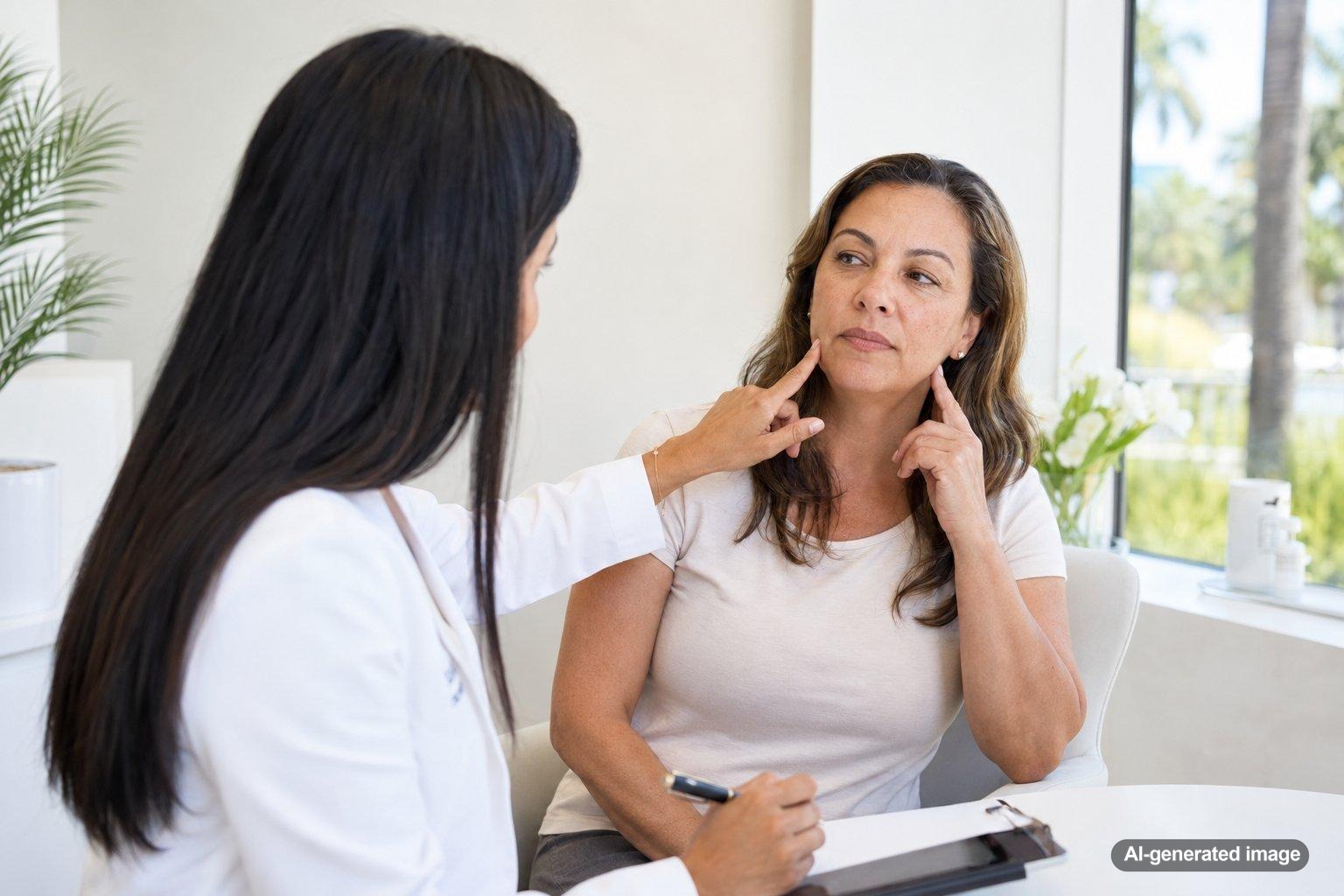
It is worth getting checked if acne is painful, deep, leaving dark marks, causing scarring, or not improving despite a steady routine. A dermatologist can also help if breakouts appear suddenly, are concentrated around the jawline, or seem connected to medication changes, hormone changes, or other skin symptoms.
For patients visiting Fort Lauderdale seasonally or internationally, a dermatologist visit can be especially helpful before starting a new regimen, because climate, humidity, travel, and product changes may all affect the skin.
FAQ
Does acne mean my skin is dirty?
No. Acne is usually related to oil, clogged pores, inflammation, and other internal and external triggers. Gentle cleansing can help, but harsh scrubbing is not the answer.
Can stress cause acne?
Stress can be associated with breakouts for some people. It may influence hormones, sleep, inflammation, and habits like touching the face or skipping skincare.
Can certain foods cause acne?
Food triggers vary. Some people notice patterns with certain foods, while others do not. If you suspect a connection, it may help to track patterns and discuss them with a dermatologist rather than making extreme diet changes.
Why do I get acne as an adult?
Adult acne can be associated with hormones, stress, skincare products, hair products, friction, or an acne pattern that continued from earlier years. A dermatologist can evaluate what may be contributing.
Should I stop moisturizing if I have acne?
Not usually. Acne-prone skin can still become dehydrated or irritated. A lightweight, non-comedogenic moisturizer may help support the skin barrier.
Ready to get help?
Schedule an appointment or send a message and our team will get back to you.
Prefer to call? 954-666-3736
Disclaimer: This article is for educational purposes and is not medical advice. For diagnosis and personalized treatment, please book an appointment with a board-certified dermatologist.
