

After meaningful weight loss, it can feel frustrating when a small pocket of belly fat still does not respond the way the rest of the body has. This is common, especially around the lower abdomen, where genetics, hormones, skin quality, and weight history can all influence shape.
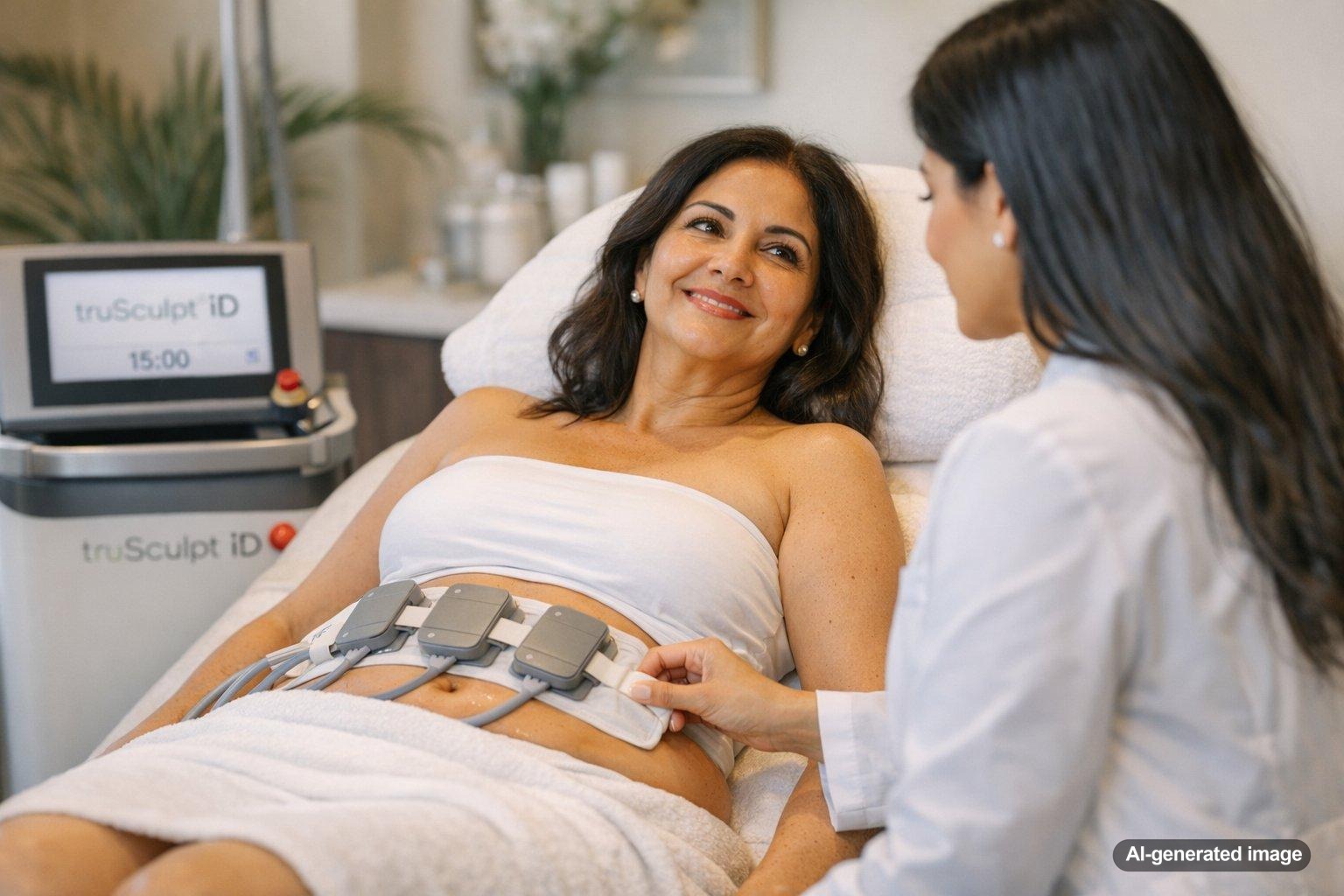
truSculpt iD is a noninvasive body contouring option that uses radiofrequency energy to target selected areas. It is not a weight loss treatment, and it is not meant to replace nutrition, exercise, or medical weight management. For the right candidate, however, it may help refine areas of stubborn fullness with a treatment plan tailored to the body.
Quick answer
- truSculpt iD may be considered for localized belly fat that remains after weight loss.
- It is best suited for contour refinement, not major weight reduction.
- Results vary based on anatomy, skin quality, lifestyle, and treatment goals.
- A dermatologist can help determine whether the fullness is fat, loose skin, muscle laxity, or a combination.
- In Fort Lauderdale, this can be especially helpful for patients who want a thoughtful plan before travel, seasonal stays, or special events.
What truSculpt iD is
truSculpt iD is a radiofrequency body contouring device. During treatment, energy is delivered through applicators placed on the selected area. The goal is to gently heat targeted tissue in a controlled way while the device monitors treatment parameters.
For stubborn belly fat after weight loss, the key is choosing the right concern. A small, pinchable area of fullness may respond differently than loose skin, abdominal muscle separation, bloating, or weight that is still changing. This is why an in-person evaluation matters.
Why belly fat can linger after weight loss
Stubborn abdominal fullness after weight loss does not always mean that something is wrong. Common contributors can include:
- Genetics and natural fat distribution
- Prior weight fluctuations
- Hormonal changes
- Skin laxity after weight loss
- Posture, core strength, and abdominal wall changes
- Areas of fat that are slower to respond to diet and exercise
Sometimes the concern is not fat alone. Loose skin can create shadowing or folding that looks like fullness. In other cases, the abdomen may look different because the skin and underlying tissue have not tightened to match the new body shape.
What you can do at home
Conservative habits can support a more stable result from any body contouring plan. These steps are not a substitute for medical care, but they can help create a better foundation:
- Keep weight relatively stable before considering contouring.
- Prioritize protein, hydration, and balanced meals that support overall health.
- Build strength training into your routine, especially core and full-body resistance work.
- Protect skin from excess sun exposure, which can affect skin quality over time.
- Avoid comparing your abdomen to filtered or edited images online.
If weight is still actively changing, it may be reasonable to wait before contouring so your clinician can better assess the area you want to refine.
Professional options
Professional options for post-weight-loss abdominal contouring depend on what is causing the concern. Noninvasive fat reduction may be considered when the issue is a localized pocket of fat. Skin tightening treatments may be discussed when laxity is part of the concern. Surgical options may be more appropriate when there is significant loose skin or abdominal wall separation.
truSculpt iD is one option in the noninvasive category. It does not involve incisions, and treatment planning is customized to the area being addressed. It should be approached as contour refinement, not as a guarantee of a flat stomach or a replacement for medical weight care.
At Waverly DermSpa, we offer truSculpt iD and can help you understand whether it may be appropriate.
When to see a dermatologist
Consider a consultation if you have reached a stable weight and still notice a specific area of abdominal fullness that bothers you. A dermatologist can evaluate skin quality, tissue thickness, medical history, prior procedures, and your goals before recommending a plan.
You should also seek medical evaluation if you have unexplained swelling, pain, a new lump, rapid body changes, or symptoms that do not seem related to ordinary weight fluctuation. Body contouring is cosmetic, so it should not be used to ignore a new or concerning medical symptom.
FAQ
Is truSculpt iD a weight loss treatment?
No. truSculpt iD is generally discussed as a body contouring option for localized areas, not as a treatment for overall weight loss.
Can it help with loose skin after weight loss?
It depends. If the main concern is loose skin rather than fat, your clinician may discuss other options or explain why a different approach could be more appropriate.
How do I know if my belly concern is fat or loose skin?
An in-person evaluation is the best way to understand the difference. The same area can have both fat and skin laxity, especially after weight changes.
Is there downtime?
Many noninvasive body contouring treatments are designed with limited interruption to daily routines, but your specific experience can vary. Your clinician will review what to expect before treatment.
Will I need more than one visit?
Some patients may benefit from a series or a staged plan, while others may not be candidates. The number of visits depends on the area, goals, and clinical evaluation.
Ready to get help?
Schedule an appointment or send a message and our team will get back to you.
Prefer to call? 954-666-3736
Disclaimer
This article is for educational purposes and is not medical advice. For diagnosis and personalized treatment, please book an appointment with a board-certified dermatologist.
Sources & further reading
- U.S. Food and Drug Administration (FDA) – 510(k) Premarket Notification K223110 truSculpt iD
- American Academy of Dermatology (AAD) – Non-invasive fat removal: What can you expect?
- Cleveland Clinic – Body Contouring: What Is It, Benefits, Risks & Recovery
