

Seeing hair collect near the drain can feel unsettling, especially when it seems to happen all at once. In many cases, shower hair loss is simply normal shedding that becomes more noticeable because loose hairs gather during washing, conditioning, detangling, and rinsing.
A common general range is about 50 to 100 hairs shed per day, though the amount you see in the shower can vary based on wash frequency, hair length, styling habits, recent stress, hormones, illness, nutrition, and your usual shedding pattern. The key is not just the number in the drain, but whether there has been a clear change for you.
Quick answer
- Shedding some hair in the shower is common and often reflects normal daily hair turnover.
- People who wash less often may notice more hair at one time because shed hairs have been sitting loose in the scalp or lengths.
- More shedding after illness, childbirth, surgery, major stress, weight changes, or some medications can be associated with telogen effluvium.
- Patchy loss, scalp pain, scaling, sudden heavy shedding, or visible thinning should be evaluated by a dermatologist.
- If you are unsure whether your shower shedding is normal, tracking changes and getting checked can bring clarity.
What normal shower shedding means
Hair naturally moves through growth, transition, resting, and shedding phases. When a hair reaches the shedding phase, it can come out during brushing, styling, sleeping, or washing. The shower can make this process look more dramatic because water, shampoo, and your hands help loosen hairs that were already ready to shed.
For someone with longer hair, curly hair, or thicker density, a normal amount of shedding may look like a larger clump because each strand is more visible. If you wear your hair up often or do not brush daily, loose strands may stay caught until wash day, making the shower look like the main event even though the shedding happened gradually.
Common reasons you may notice more hair in the shower
- Washing frequency: If you wash once or twice a week, several days of shed hairs may appear at once.
- Detangling habits: Conditioner and wide-tooth combing can release hairs that were already loose.
- Recent stress on the body: Illness, fever, surgery, childbirth, rapid weight change, or emotional stress may be associated with increased shedding a few months later.
- Hormonal shifts: Postpartum changes, menopause, thyroid changes, or other hormonal patterns can affect shedding.
- Hair practices: Tight ponytails, extensions, harsh brushing, frequent heat styling, or chemical processing can contribute to breakage or traction-related loss.
- Scalp conditions: Flaking, itching, inflammation, or irritation can sometimes accompany shedding and may need evaluation.
- Underlying hair loss patterns: Gradual thinning, a widening part, or a thinner ponytail can reflect a hair loss condition rather than routine shedding alone.
What you can do at home
Start by observing your own pattern rather than trying to count every strand. Notice whether the amount has changed suddenly, whether your part looks wider, whether your ponytail feels thinner, and whether you are seeing hair on your pillow, clothing, brush, or throughout the day.
- Use a gentle shampoo routine that keeps your scalp clean without aggressive scrubbing.
- Detangle gently, ideally with conditioner and a wide-tooth comb if your hair tangles easily.
- Avoid tight styles that pull at the hairline or create scalp tenderness.
- Limit harsh heat, frequent bleaching, and rough towel drying when hair feels fragile.
- Eat consistently and include adequate protein unless your clinician has advised otherwise.
- Take note of recent illnesses, new medications, major stressors, childbirth, or weight changes to discuss during an appointment.
Over-the-counter products and supplements are not one-size-fits-all. Some may be helpful for certain people, while others may be unnecessary or inappropriate. A dermatologist can help identify whether shedding, breakage, scalp inflammation, hereditary thinning, or another factor is contributing.
Professional options
A dermatology visit can help separate normal shedding from excessive shedding, hair breakage, hereditary thinning, autoimmune hair loss, scalp inflammation, or medication-related changes. Your clinician may review your history, examine the scalp and hair pattern, and discuss whether lab work or treatment options are appropriate.
Common professional approaches can include treating scalp inflammation, adjusting hair care habits, reviewing possible medical triggers, discussing topical or prescription options when appropriate, and considering in-office hair restoration support for selected patients. At Waverly DermSpa, we offer PRFM for Hair Loss and can help you understand whether it may be appropriate.
When to see a dermatologist
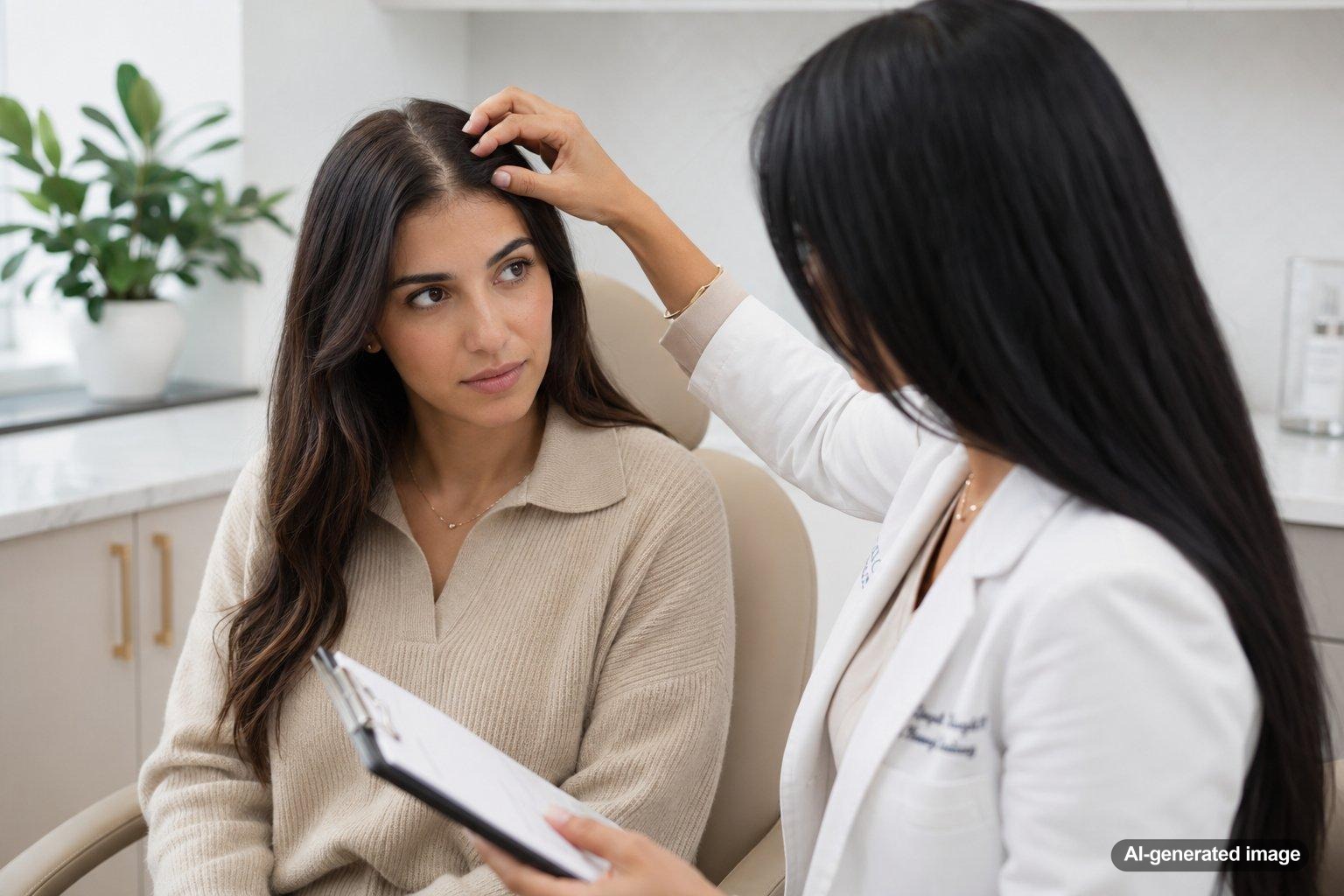
It is worth booking an appointment if shower shedding feels sudden, heavy, persistent, or different from your baseline. You should also be evaluated if you notice bald patches, a widening part, a thinner ponytail, scalp redness, scaling, itching, pain, sores, or hair loss after starting a new medication or after a significant health event.
Dermatologists are trained to evaluate the many reasons hair may shed or thin. Getting checked early can help clarify what is happening and which options make sense for your situation.
FAQ
Is it normal to lose hair every time I shower?
Yes, some shedding during washing is common. The shower often releases hairs that were already in the shedding phase, especially if you do not wash or brush daily.
Why does it look like more hair loss on wash day?
If several days pass between washes, loose hairs may collect in the scalp or lengths and come out together when you shampoo, condition, and detangle.
How do I know if it is shedding or breakage?
Shed hairs often have a tiny white bulb at one end, while breakage tends to look like shorter pieces without the full hair length. A dermatologist or hair professional can help assess the difference.
Can stress affect shower hair loss?
Major physical or emotional stress can be associated with increased shedding in some people, often after a delay. Because many factors can overlap, evaluation can be helpful if the change is noticeable.
Should I stop washing my hair if I am shedding?
Usually, no. Avoiding washing does not stop the shedding cycle; it may simply make more loose hairs appear at the next wash. Gentle cleansing and careful detangling are usually better than harsh scrubbing or avoidance.
When is shower shedding more concerning?
Consider scheduling a visit if shedding is sudden, clumpy, patchy, painful, associated with scalp symptoms, or paired with visible thinning.
Ready to get help?
Schedule an appointment or send a message and our team will get back to you.
Prefer to call? 954-666-3736
Disclaimer
This article is for educational purposes and is not medical advice. For diagnosis and personalized treatment, please book an appointment with a board-certified dermatologist.
Sources & further reading
- American Academy of Dermatology (AAD) – Do you have hair loss or hair shedding?
- Cleveland Clinic – Telogen Effluvium: Symptoms, Causes, Treatment & Regrowth
- MedlinePlus (NIH) – Hair loss
