

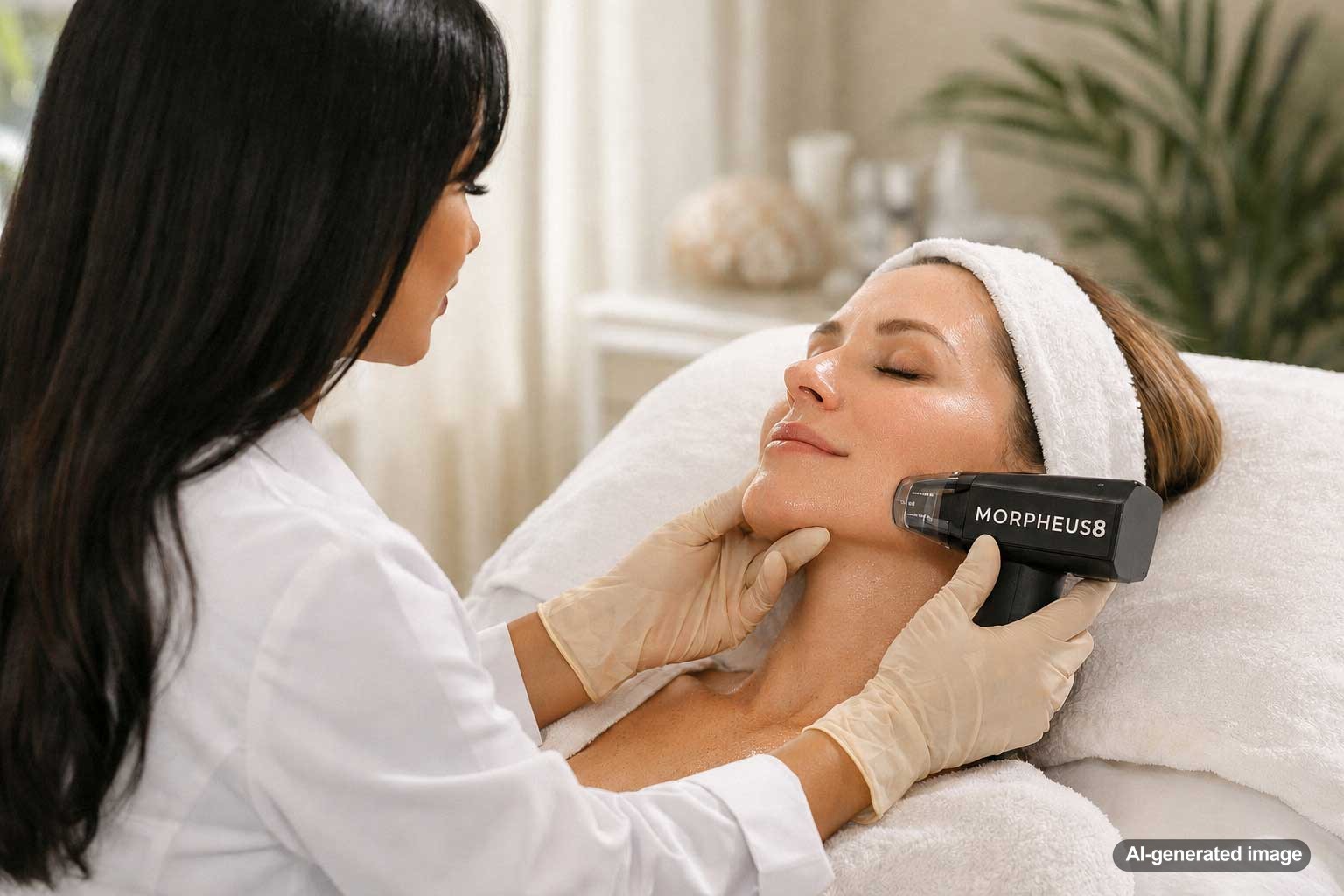
Morpheus8 with PRF is a thoughtful pairing for people who want a collagen-focused treatment plan that respects the skin’s natural repair process. Morpheus8 uses radiofrequency microneedling to create controlled treatment zones in the skin, while PRF, or platelet-rich fibrin, is prepared from a small sample of your own blood and applied or introduced as part of the treatment plan.
In South Florida, where sun exposure, humidity, travel schedules, and year-round outdoor living can all influence skin quality, many patients look for treatments that support texture, firmness, and overall skin refinement without an overly aggressive feel. Results and recovery vary, so a dermatologist-led consultation is the best way to understand whether this approach fits your skin, goals, and timing.
Quick answer
- Morpheus8 with PRF may help support collagen remodeling, texture refinement, and post-treatment recovery.
- PRF uses components from your own blood and is commonly discussed for its role in tissue support and repair.
- This combination does not create instant or guaranteed results; collagen remodeling is gradual and individual.
- Downtime can vary based on treatment depth, skin sensitivity, and your clinician’s plan.
- A dermatologist can evaluate whether this treatment is appropriate for your skin type, medical history, and goals.
What Morpheus8 with PRF is
Morpheus8 is a radiofrequency microneedling treatment. In simple terms, very fine needles create controlled micro-injuries while radiofrequency energy delivers heat into targeted layers of the skin. This combination is used to encourage the skin’s natural remodeling response, which may help with the appearance of texture, mild laxity, acne scarring, and overall firmness.
PRF stands for platelet-rich fibrin. It is made from a small blood draw that is processed to concentrate platelets and fibrin. Your clinician may use PRF as part of a treatment plan because it contains naturally occurring components involved in the body’s repair process. The goal is supportive, not magical: PRF may complement a collagen-stimulating procedure, but it should not be viewed as a shortcut or guarantee.
Why the pairing can make sense
Morpheus8 creates the controlled stimulus, while PRF may provide a supportive environment for recovery. For the right patient, that combination can be appealing because it keeps the focus on collagen remodeling, skin quality, and a more personalized healing plan. It may be especially relevant for patients who want to address texture or firmness while staying mindful of downtime.
The exact approach matters. Treatment depth, number of passes, PRF placement, skin preparation, and aftercare should be tailored by a qualified clinician. More aggressive treatment is not always better, especially for patients with sensitive skin, pigment concerns, recent sun exposure, or upcoming travel.
Common reasons people ask about it
- Early skin laxity along the lower face, jawline, or neck
- Uneven texture from sun exposure or prior breakouts
- Acne scarring or enlarged-looking pores
- Dullness or roughness that has not improved enough with skincare alone
- A desire for collagen-focused rejuvenation without surgery
- Interest in a more supportive post-procedure recovery plan
What you can do at home before and after treatment
Good preparation starts with calm skin. Before treatment, your clinician may recommend avoiding unnecessary irritation from harsh exfoliants, aggressive scrubs, or poorly timed active ingredients. Sun protection is especially important in South Florida, where incidental exposure can be high even on cloudy days.
After treatment, conservative care usually matters more than doing more. Many patients are advised to keep the skin clean, moisturized, and protected while avoiding unnecessary heat, direct sun, intense exercise, and irritating skincare until cleared by their clinician. Your exact instructions may differ depending on your skin and the intensity of the treatment.
Professional options and what to expect
A dermatologist-led consultation can help determine whether Morpheus8 with PRF is appropriate or whether another option would be more suitable. Common professional categories for texture and collagen support may include radiofrequency microneedling, traditional microneedling, fractional laser resurfacing, chemical peels, injectable biostimulators, and medical-grade skincare plans.
With Morpheus8 and PRF, the appointment often includes cleansing, numbing, treatment planning, the device treatment itself, and PRF preparation from a blood draw. The skin may look red, swollen, tender, or textured afterward. Many people notice changes gradually as the skin moves through its repair and remodeling process, but timing and degree of improvement vary.
At Waverly DermSpa, we offer Morpheus8 and can help you understand whether it may be appropriate.
When to see a dermatologist first
It is worth having a dermatologist evaluate your skin before treatment if you have a history of keloids, pigment changes, active acne flares, eczema, psoriasis, rosacea flares, cold sores, recent tanning, recent isotretinoin use, a bleeding disorder, or concerns about infection. You should also mention pregnancy, nursing, medications, supplements, implanted devices, recent cosmetic procedures, and any history of poor wound healing.
For South Florida patients, timing also matters. If you have a beach trip, wedding, international travel, or extended sun exposure coming up, your clinician can help you decide whether to treat now or wait for a safer window.
FAQ
Is Morpheus8 with PRF better than Morpheus8 alone?
It depends on your skin, goals, and treatment plan. PRF may be used to support the skin’s recovery environment, but it does not guarantee a better outcome for every patient.
Does Morpheus8 with PRF hurt?
Most practices use numbing to make the treatment more comfortable. Sensation varies, and areas with thinner skin or deeper settings may feel more sensitive.
How much downtime should I expect?
Downtime varies. Redness, swelling, tenderness, and a rough or grid-like texture can occur after treatment. Your clinician can give a more realistic estimate after evaluating your skin and choosing treatment settings.
Can I go in the sun afterward?
Direct sun exposure is usually discouraged during the early healing period. In South Florida, careful sunscreen use, shade, hats, and timing around outdoor plans are important parts of aftercare.
Who is not a good candidate?
People with certain skin conditions, active infections, healing concerns, implanted devices, medication considerations, or recent sun exposure may need a different plan or delayed treatment. A dermatologist can help determine what is safest for you.
Ready to get help?
Schedule an appointment or send a message and our team will get back to you.
Prefer to call? 954-666-3736
Disclaimer
This article is for educational purposes and is not medical advice. For diagnosis and personalized treatment, please book an appointment with a board-certified dermatologist.
Sources & further reading
- American Academy of Dermatology (AAD) – Chemical peels: FAQs
- U.S. Food and Drug Administration (FDA) – Microneedling Devices: Getting to the Point on Benefits, Risks and Safety
