

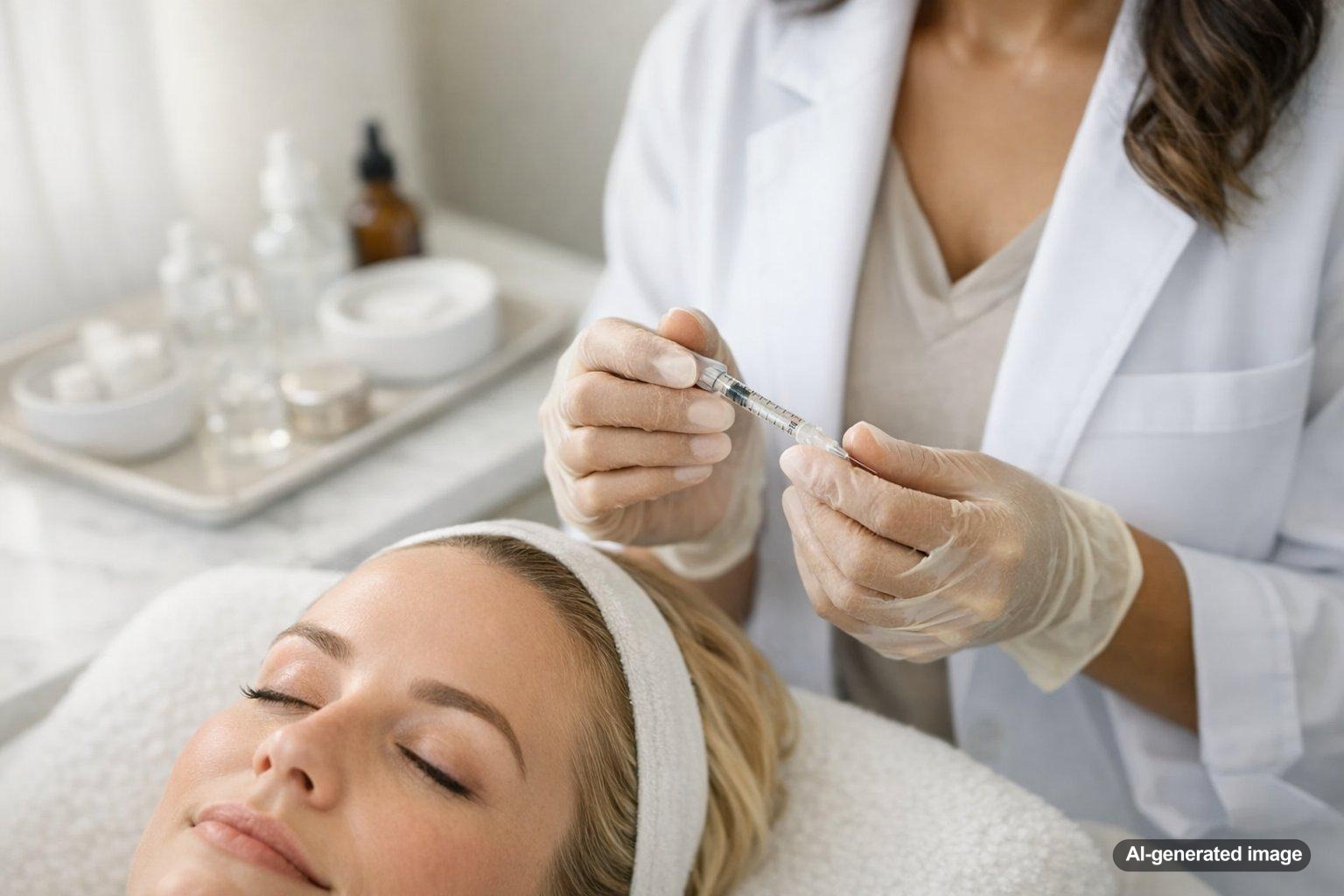
Baby Botox has become a popular phrase, but the idea behind it is simpler than the nickname suggests. In many cases, it refers to small, carefully placed amounts of a neuromodulator such as Botox or Dysport to soften repeated facial movements before lines become more noticeable at rest. For people in their 20s, the goal is usually not to look frozen or dramatically different. It is to stay subtle, expressive, and intentional.
That said, not everyone in their 20s needs or wants treatment, and there is no single “right” age to start. Skin quality, muscle movement, facial anatomy, sun exposure, and personal preferences all matter. A thoughtful plan should feel conservative, individualized, and grounded in realistic expectations.
Quick answer
- “Baby Botox” usually means lower-dose neuromodulator treatment designed for a softer, more subtle effect.
- In your 20s, it is often used as an early maintenance option rather than a correction-focused treatment.
- The best candidates are typically people with strong repetitive facial movement, early expression lines, or specific aesthetic goals.
- Starting earlier is not automatically better. A customized evaluation matters more than age alone.
- Good skincare, daily sunscreen, and healthy lifestyle habits still play a major role in prevention.
What “Baby Botox” actually means
Despite the name, “Baby Botox” is not a different product. It is an approach. The term usually describes using smaller doses and a more conservative injection pattern to relax targeted facial muscles without creating an overdone look. Common areas include the forehead, the frown lines between the brows, and crow’s feet, though treatment plans vary from person to person.
For younger patients, this style of treatment appeals because it can look very natural. Instead of chasing deep-set lines, the focus is often on softening repeated creasing from expressions, preserving balance, and maintaining movement. Many people like the idea of doing less, not more.
Why people in their 20s are asking about it
The conversation around cosmetic dermatology has shifted. Many patients in their 20s are less interested in dramatic transformation and more interested in prevention, refinement, and consistency. They may notice makeup settling into expression lines, see a crease lingering a bit longer after smiling or frowning, or simply want a more polished look in photos and daily life.
Social media has certainly made the term more visible, but the lasting appeal is not hype alone. It is the idea that subtle, measured care can fit into a broader skin-health routine. For some people, that feels more approachable than waiting until a line feels harder to ignore.
Common reasons someone might consider early treatment
- Strong facial movement that creates repeated creasing in certain areas
- Early expression lines that are beginning to linger at rest
- A desire for a softer, refreshed look rather than a major cosmetic change
- Interest in a conservative maintenance approach
- Preparation for milestone events, professional visibility, or frequent photography
These reasons can all be valid, but they do not automatically mean treatment is necessary. A good consultation should help clarify whether a neuromodulator fits your goals or whether skincare and sun protection may be enough for now.
What you can do at home first
If you are curious about prevention, start with the basics before assuming injectables are the only answer. Daily broad-spectrum sunscreen, a consistent moisturizer, gentle cleansing, and a simple routine that supports the skin barrier can go a long way. Many people also benefit from using a nighttime retinoid or retinol product if appropriate for their skin, along with antioxidants in the morning.
Just as important, pay attention to habits that affect the skin over time. Sun exposure, inconsistent skincare, smoking, dehydration, poor sleep, and chronic stress can all influence how skin looks and feels. Neuromodulators may help with movement-related lines, but they do not replace healthy skin habits.
Professional options and how they fit together
When someone in their 20s is exploring aesthetic treatment, neuromodulators are only one category. A dermatologist may also discuss skincare adjustments, chemical exfoliation, texture-focused treatments, pigment management, or collagen-supporting procedures depending on the concern. The best plan usually depends on whether your priority is movement, tone, texture, breakouts, redness, or overall glow.
If a neuromodulator is appropriate, the most modern approach tends to be individualized rather than formulaic. That means considering your facial anatomy, muscle strength, expression patterns, and how subtle you want the result to look. Smaller-dose treatment can be a good fit for patients who want a refreshed appearance while preserving natural expression.
At Waverly DermSpa, we offer Botox and can help you understand whether it may be appropriate.
What realistic expectations look like
One of the most helpful mindset shifts is understanding that “preventative” does not mean guaranteed prevention. It also does not mean you need to start as early as possible to age well. Many people in their 20s do beautifully with excellent skincare and sun protection alone. Others feel that a conservative neuromodulator plan helps them stay ahead of certain movement patterns. Both paths can be reasonable.
The goal should be informed decision-making, not pressure. You should still look like yourself, and your treatment plan should reflect your preferences, budget, and comfort level. Subtle cosmetic care works best when it feels deliberate and sustainable, not reactive.
When to see a dermatologist
- You are unsure whether your concern is really related to facial movement or something else, such as skin texture or volume changes.
- You want a personalized opinion on whether treatment may help or whether skincare alone makes more sense.
- You have had prior injections elsewhere and want a more conservative or natural-looking plan.
- You are pregnant, nursing, or have questions about whether cosmetic treatment is appropriate for you.
- You want a board-certified dermatologist to evaluate your skin and overall aesthetic goals in context.
FAQ
Is “Baby Botox” different from regular Botox?
No. It usually refers to a lower-dose, more conservative treatment style rather than a different product.
Does starting in your 20s mean you’ll need it forever?
Not necessarily. Cosmetic treatment is a personal choice, and plans can change over time based on your goals, budget, and preferences.
Will I look frozen?
A conservative treatment plan is generally designed to preserve expression while softening targeted movement. Results vary, which is why careful assessment and technique matter.
How do I know if I’m too young?
Age alone is not the best guide. Your facial movement, early lines, skin habits, and goals are usually more helpful factors to discuss during an evaluation.
Can skincare replace neuromodulators?
Skincare can support skin quality and prevention, especially with sunscreen and a consistent routine. Neuromodulators address muscle movement, so the two approaches serve different purposes and may complement each other.
Ready to get help?
Schedule an appointment or send a message and our team will get back to you.
Prefer to call? 954-666-3736
This article is for educational purposes and is not medical advice. For diagnosis and personalized treatment, please book an appointment with a board-certified dermatologist.
