

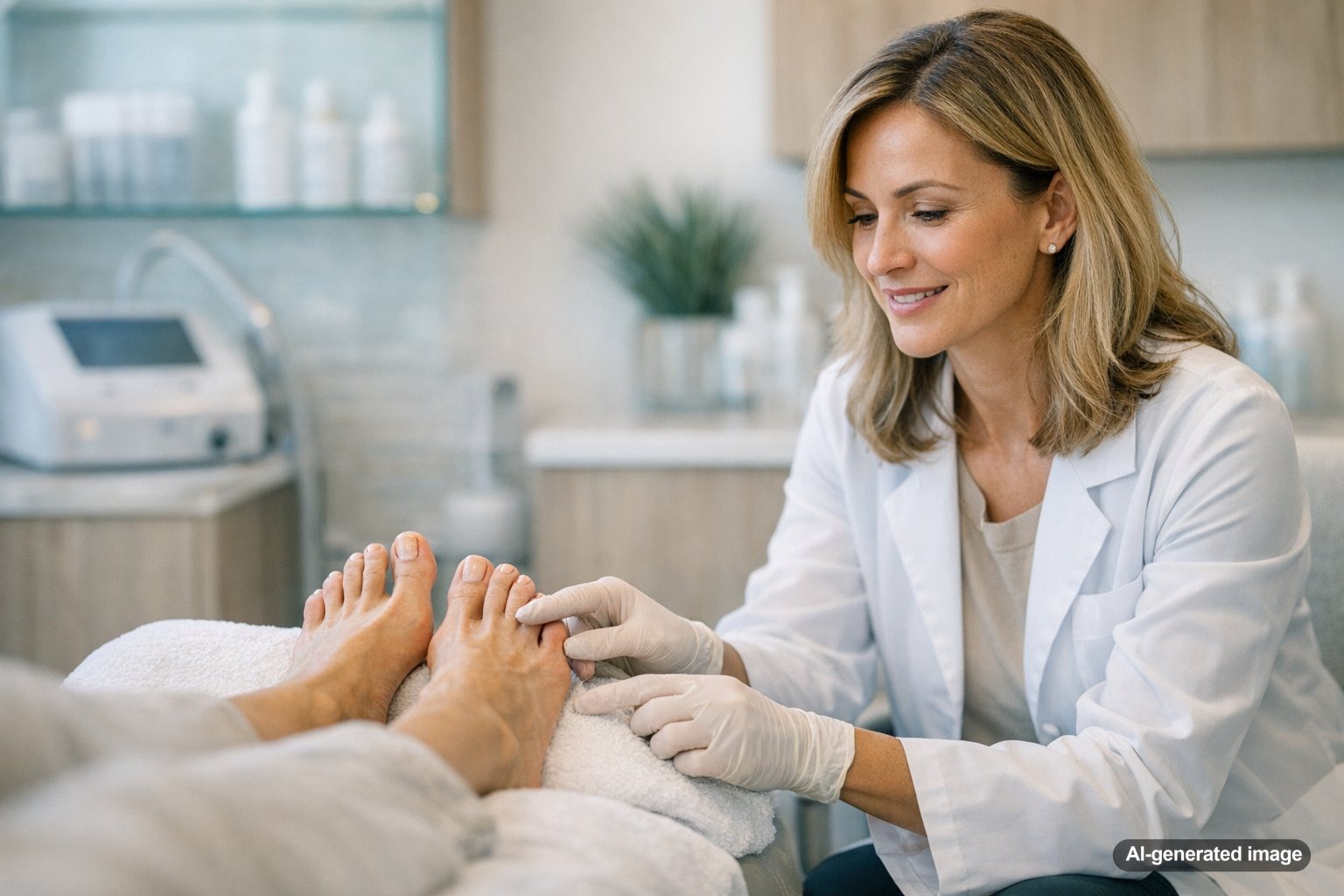
Athlete’s foot and nail fungus are both caused by fungal infections that can occur simultaneously. These conditions are often interconnected, as the same fungi that cause athlete’s foot can also lead to nail infections. While they share similar symptoms, such as itching, redness, and peeling skin, nail fungus often presents as thickened, discolored, or brittle nails. The link between athlete’s foot and nail fungus can be attributed to the same environmental factors damp, warm places and the ease with which fungi can spread between the two areas.
Quick answer:
- Athlete’s foot and nail fungus are caused by similar fungi.
- The fungi thrive in warm, moist environments like sweaty feet.
- Prevention involves proper foot hygiene and footwear choices.
- Seeking medical advice is important for effective treatment options.
What it is:
Athlete’s foot (tinea pedis) is a fungal infection that affects the skin on the feet, typically between the toes. It can spread to the nails, leading to nail fungus (onychomycosis), which affects the nails and often results in thickened, discolored nails that may become brittle or even crumble. Both conditions are contagious, and proper care and treatment are essential to manage and prevent recurrence.
Common causes/triggers:
- Fungal exposure in public areas like pools, locker rooms, or showers
- Wearing tight shoes that don’t allow your feet to breathe
- Excessive sweating, especially in shoes and socks
- Compromised immune system, which makes it harder to fight off infections
What you can do at home:
Good foot hygiene is key to preventing athlete’s foot and nail fungus. Wash your feet daily and dry them thoroughly, especially between the toes. Wear breathable shoes and socks to keep your feet dry. Over-the-counter antifungal creams can help treat athlete’s foot, but if your nail fungus persists, it may require stronger treatments. Avoid walking barefoot in public places to reduce exposure to fungi.
Professional options:
For persistent or severe cases, a dermatologist can recommend oral antifungal medication or laser therapy. They can help determine the most appropriate treatment, whether it’s for athlete’s foot, nail fungus, or both. Treatments like topical antifungals or prescription-strength medications may be necessary for effective resolution.
When to see a dermatologist:
If your symptoms don’t improve with over-the-counter treatments or if the infection spreads to your nails, it’s time to see a dermatologist. A professional can evaluate your condition and recommend the best course of action. Seek medical attention if you notice signs of a more serious infection, such as swelling, pus, or pain in the affected areas.
FAQ:
- Can athlete’s foot cause nail fungus? Yes, athlete’s foot can spread to the nails, causing nail fungus.
- How can I prevent athlete’s foot and nail fungus? Proper foot hygiene, wearing breathable footwear, and avoiding public places where fungi thrive can help prevent these infections.
- Is nail fungus contagious? Yes, nail fungus is contagious and can spread through direct contact or by sharing contaminated surfaces.
Ready to get help?
Schedule an appointment or send a message and our team will get back to you.
Prefer to call? 954-666-3736
This article is for educational purposes and is not medical advice. For diagnosis and personalized treatment, please book an appointment with a board-certified dermatologist.
